When we told people one of places we were planning to visit was the Netherlands, a common reaction was, “Amsterdam will be great.” To be honest, I didn’t do a lot of research about anything but Amsterdam before we left. I knew The Anne Frank House was a “must do”, but I figured we’d decide what else we wanted to see when our time there got closer. Lesson learned. There is more to a country than its biggest cities and googled “must see” lists.
Back when we were with John during the WWI and WW2 battlefield tour, we met and became acquainted with Eric, the driver of the tour bus John was using. Eric was from Holland, so we were able to pick his brain about all of the things we should see, and thanks to his suggestions, we got to see places that truly represent Holland. I don’t know if you would call it fate, but the fact that we connected with him through John was very lucky for us. We visited three different areas of Holland. To keep things straight in my mind and for our “historical record”, I’m going to break it down into separate sections.
NORTH HOLLAND (Alkmaar, Sint Pancras, Schoorl, Haarlem)
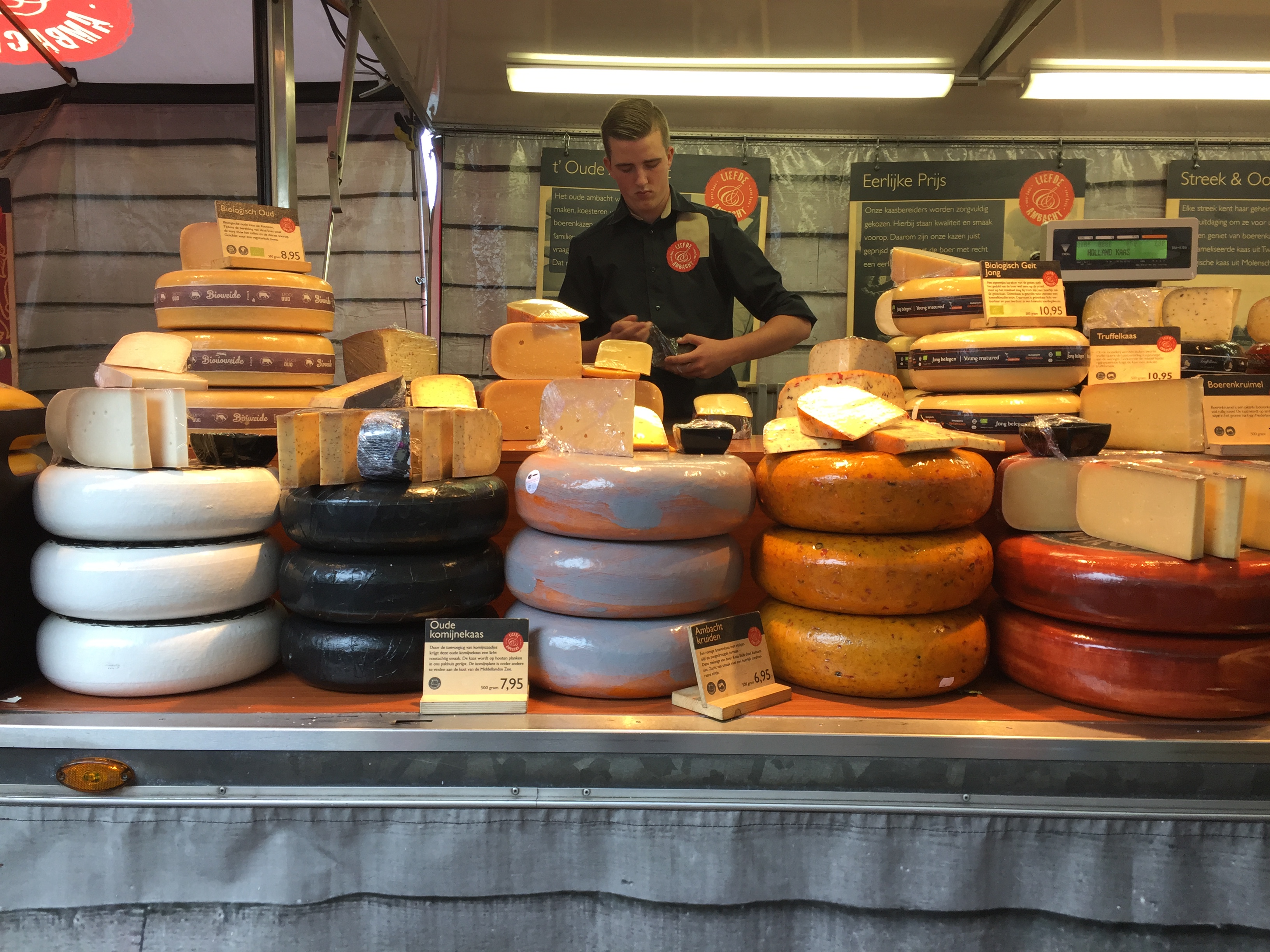
Our family LOVES cheese. So, we had initially planned to visit Edam, Gouda and some of the other places in the Netherlands that are known for cheese. Eric suggested that rather than go to all of these places we should go Alkmaar, which is famous for its cheese market. The market happens every Friday morning and has been happening for hundreds of years. Nowadays it’s more of a show for tourists, but it really does give you a sense of what it was like years ago and there are all kinds of cheeses to eat and buy. Back in the day, all the cheese producers would bring their cheese to the market, it would be tested for quality and then a price would be negotiated. Once the price set, the cheese bought and then carried by two men on a platform with shoulder straps, to be weighed.
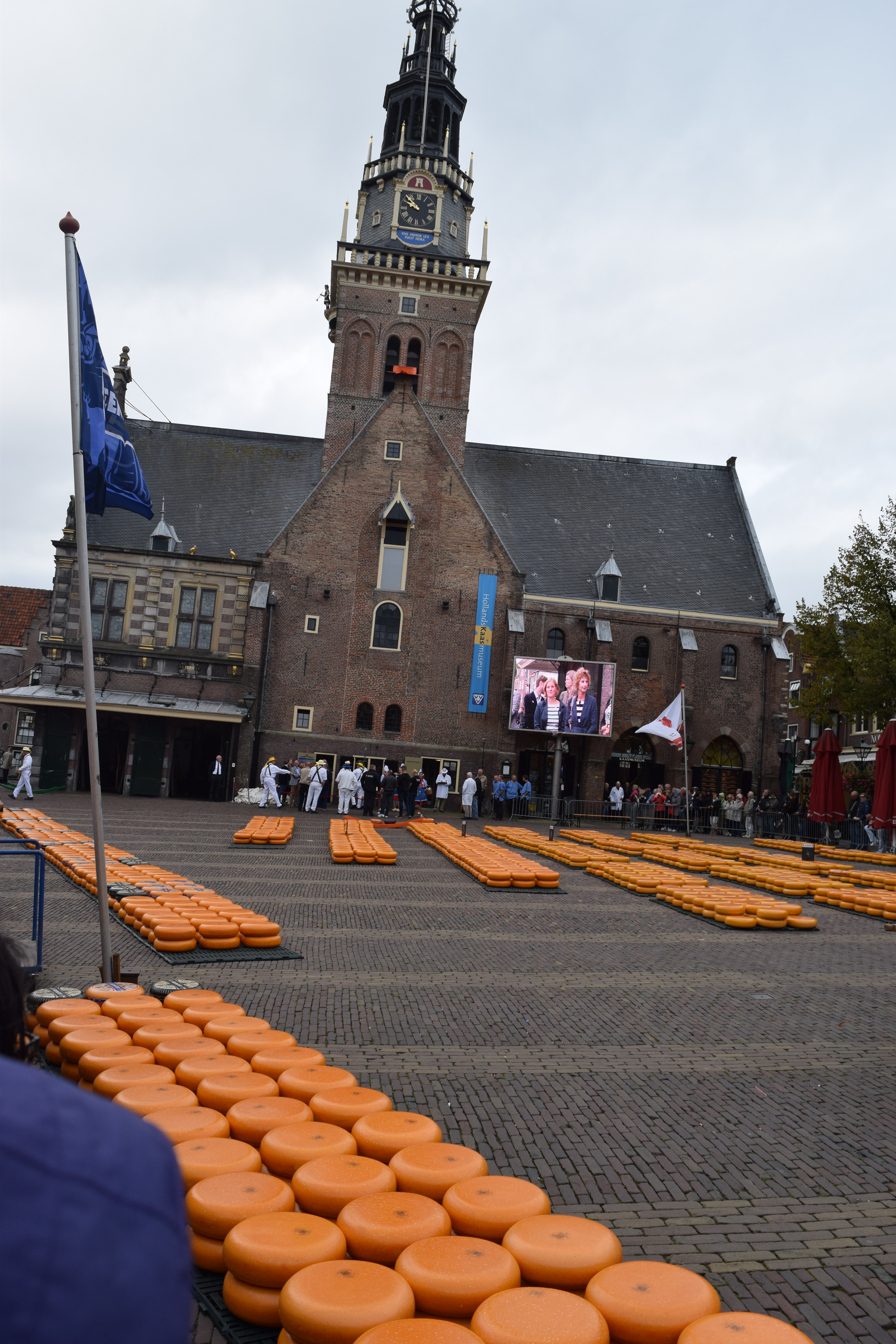
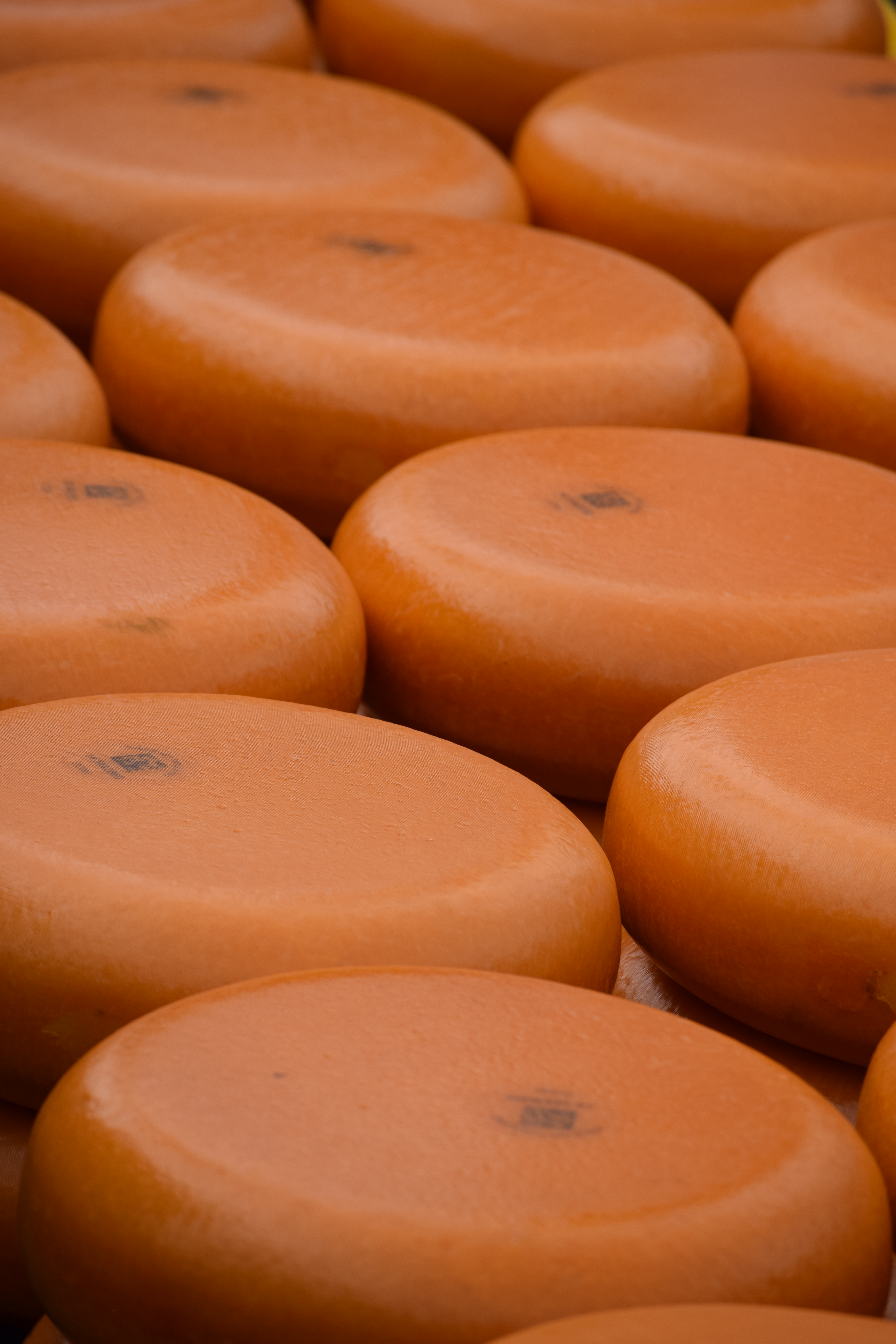
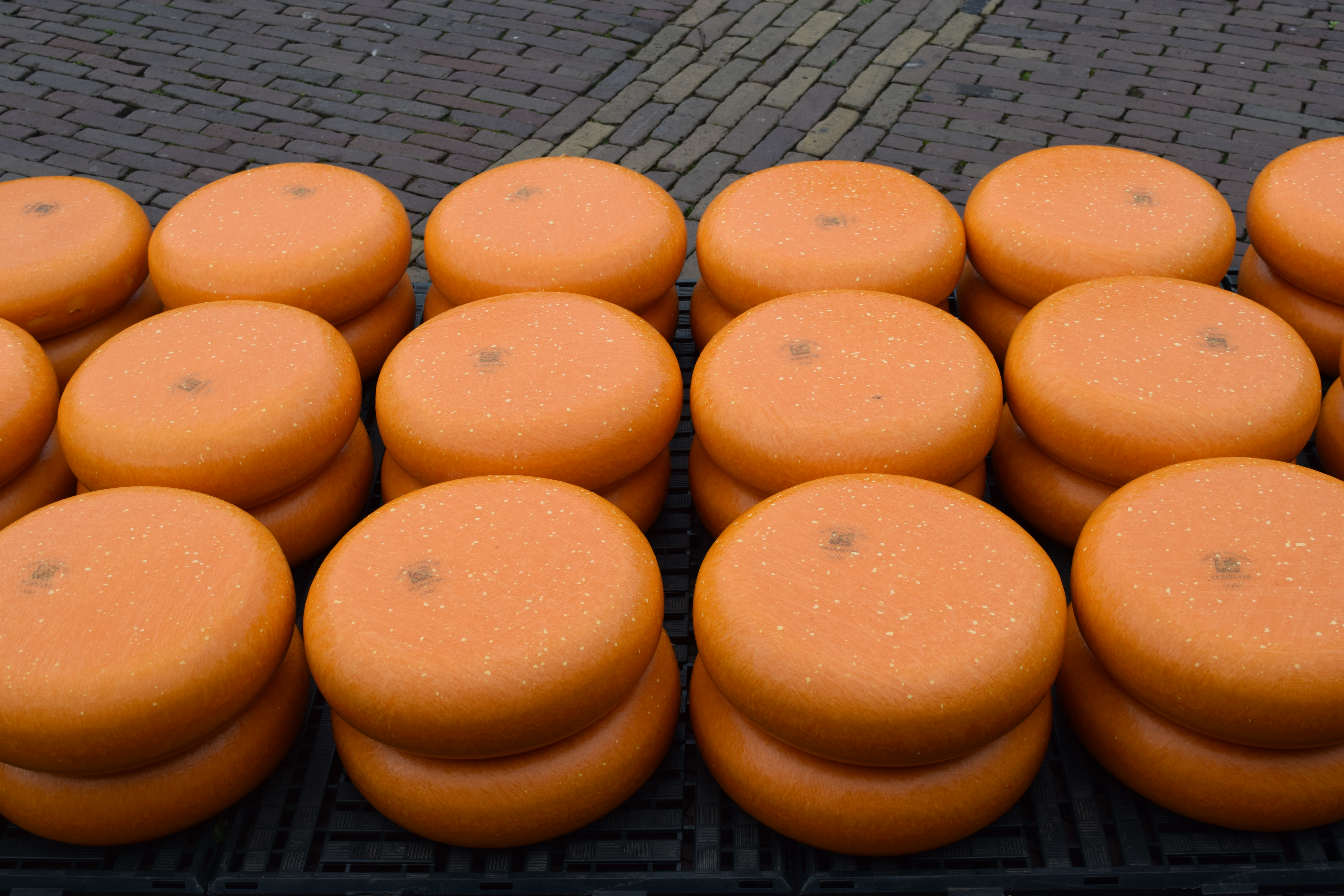
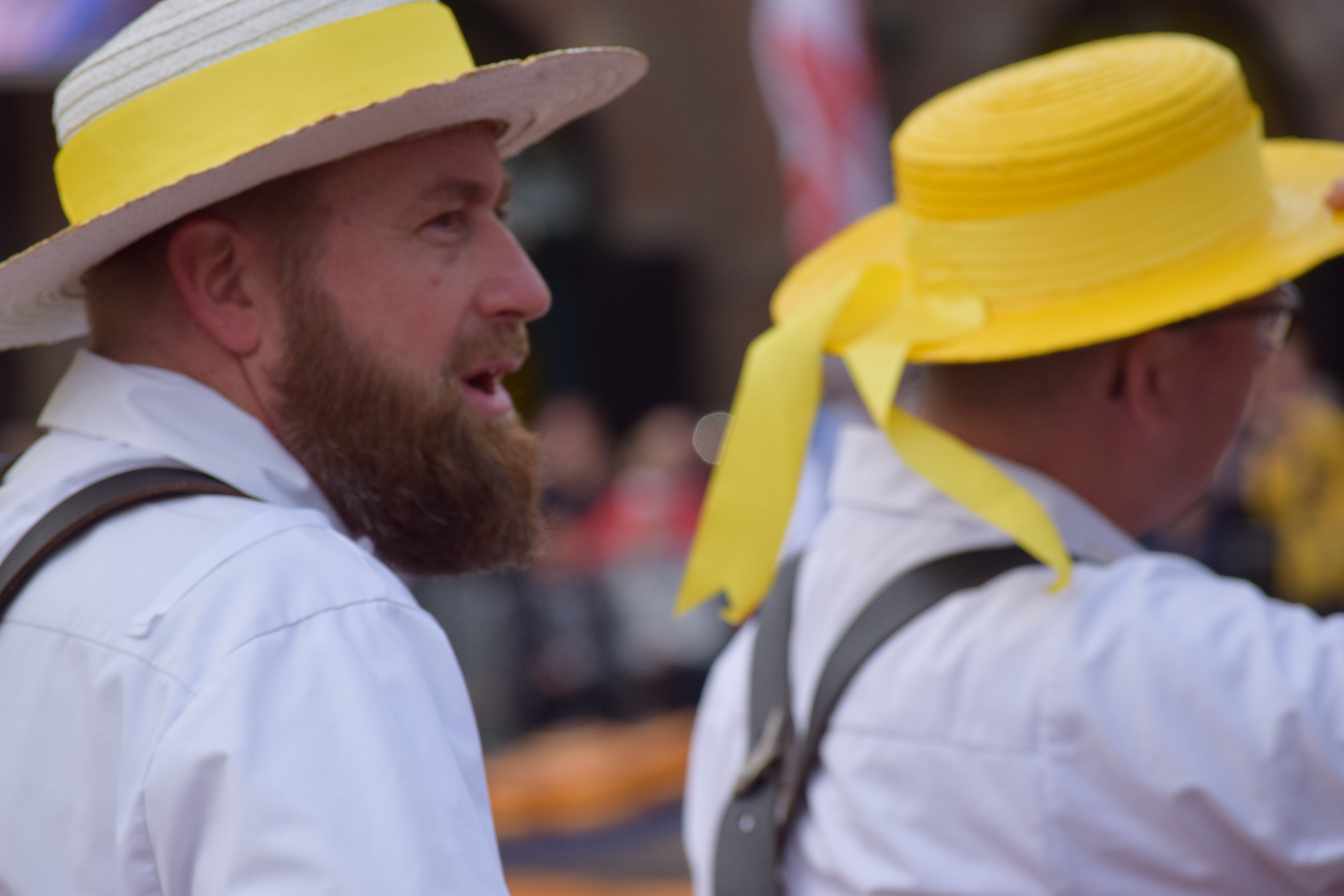
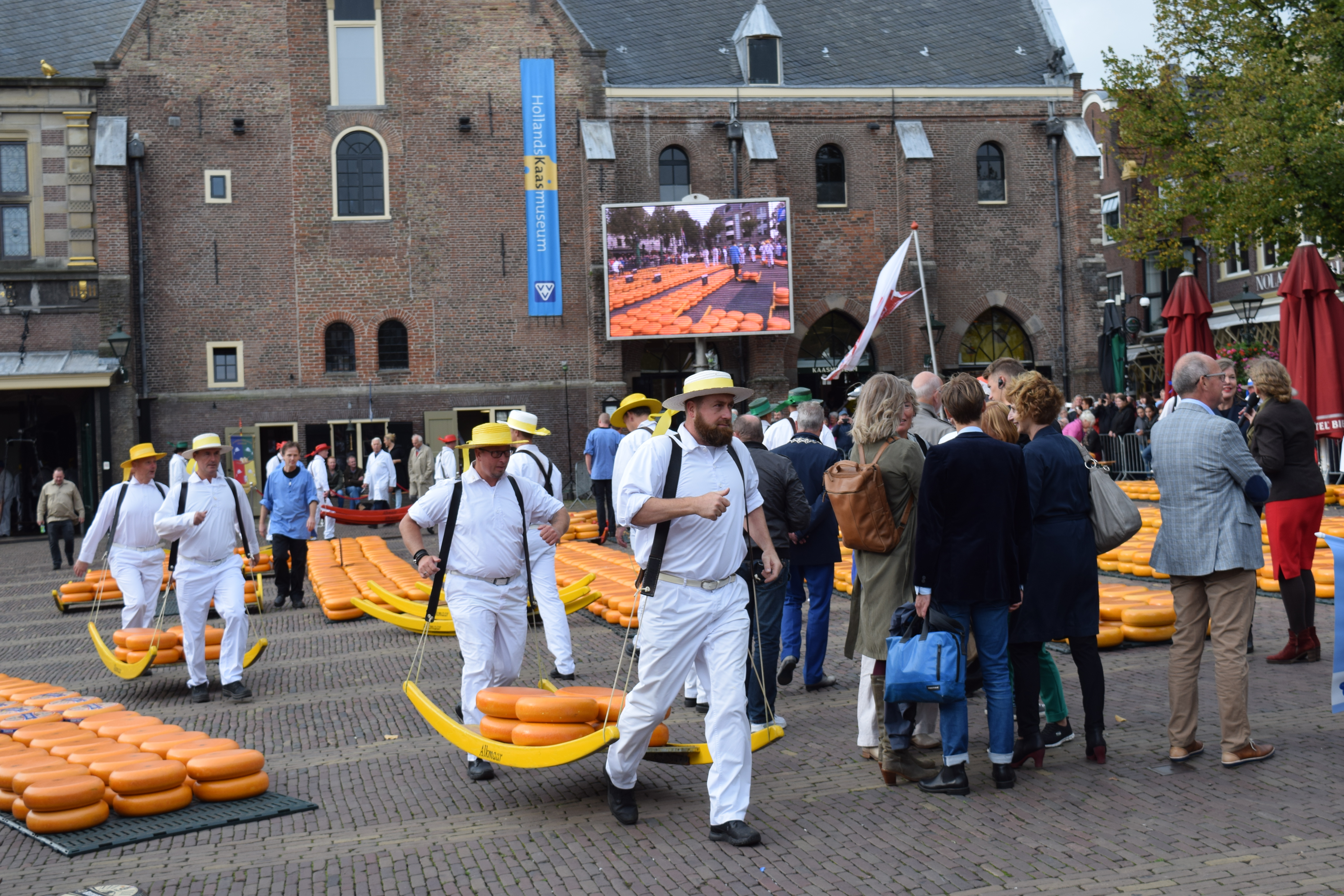

A person off the street can’t buy the cheese from the market now, but there are lots of vendors in the square selling all the cheeses that are made in the Netherlands. On a market morning there are also several other stalls selling herring (raw-gross-yes Mark ate it), Dutch pancakes, toasties (grilled cheese) as well as other food and merchandise.
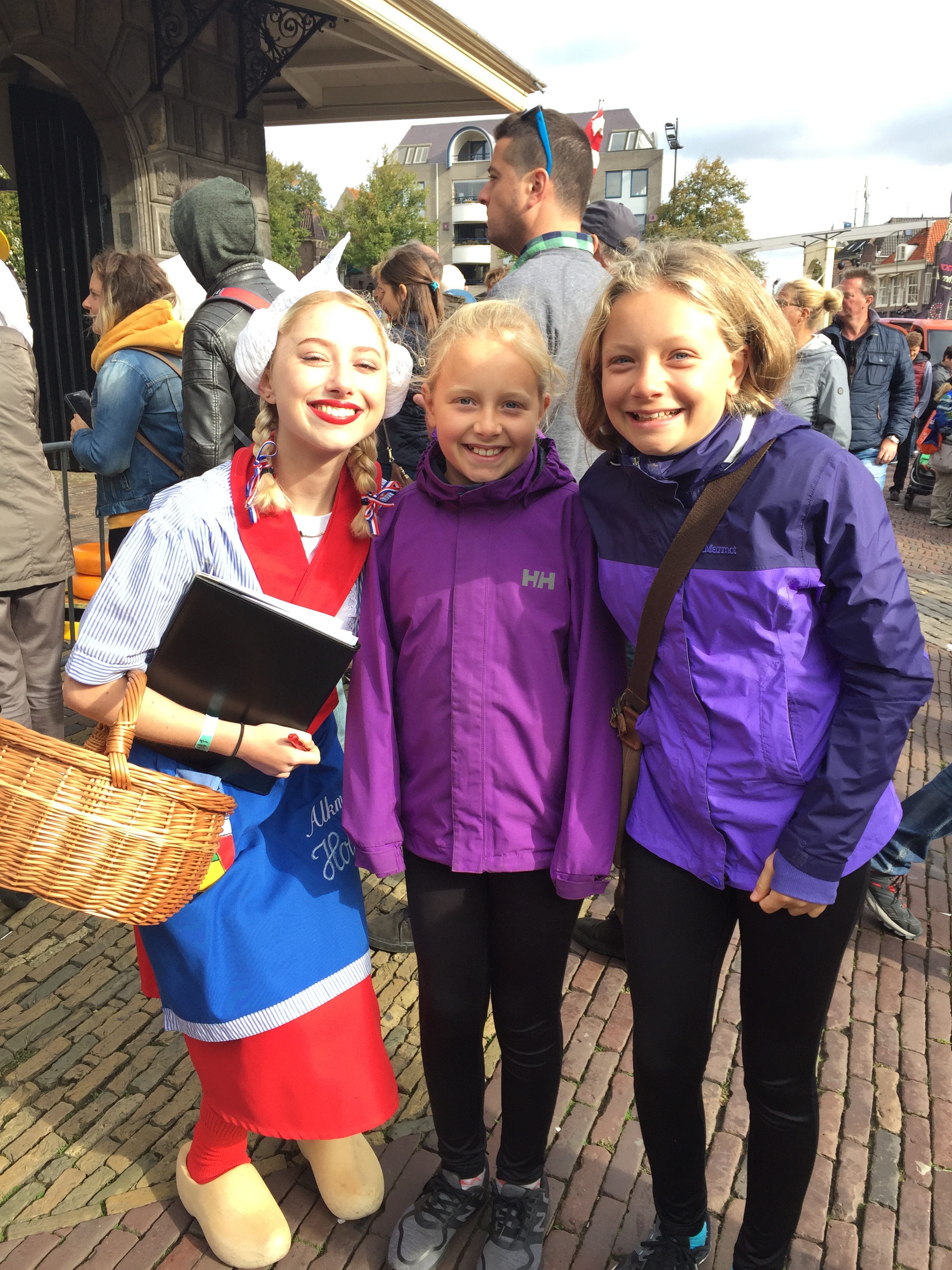
Because this area had the cheese market, a location close to the sea and many of the other things Eric suggested, we looked for a place to stay that was central to all of them, but close enough to Amsterdam for a day trip. I scoured HomeAway and Airbnb but there was nothing that was suitable for us (too expensive, to remote, too small, no kitchen etc). After some Internet searching I found Vacation-Apartments.com. I hadn’t used the site before but there were listings that weren’t on the other two sites. This is where I found Sita and Jack Wagenaar’s place in Sint Pancras (very close to Alkmaar). It was perfect. From the minute we started emailing back and forth I knew we had made a great choice.
(A long side-note about accommodations and planning (skip if you want): I’ve read a lot of blogs and websites about traveling with a family. The jury is out on whether you should try to plan and book ahead or wing it as you go – I’d say almost 50/50. From our experience so far, booking ahead as far as possible is the best. Now, for us that means maybe a week ahead of time, because we don’t want to tie ourselves down too much in case we want to stay in an area longer, or change our itinerary as we go. This is been hard for me. I’m a planner by nature and I like to know where we’re headed next. For the most part we do, but it’s hard to decide whether not you want to stay three or four or five days in an area. It takes takes a lot of research to decide what to see and what to skip (you’d drive yourself crazy trying to fit everything in). And I’m going to say it….. (this is for you Danny Webb – believe and it shall happen) …. Mark has been an absolute rock star with this (not deciding how many days we stay, but with figuring out what we don’t want to miss). From there we wing it, and hope for the best. In a couple of cases this meant we have a jam-packed day. And in a few other cases it’s meant we may have a morning or afternoon of downtime.
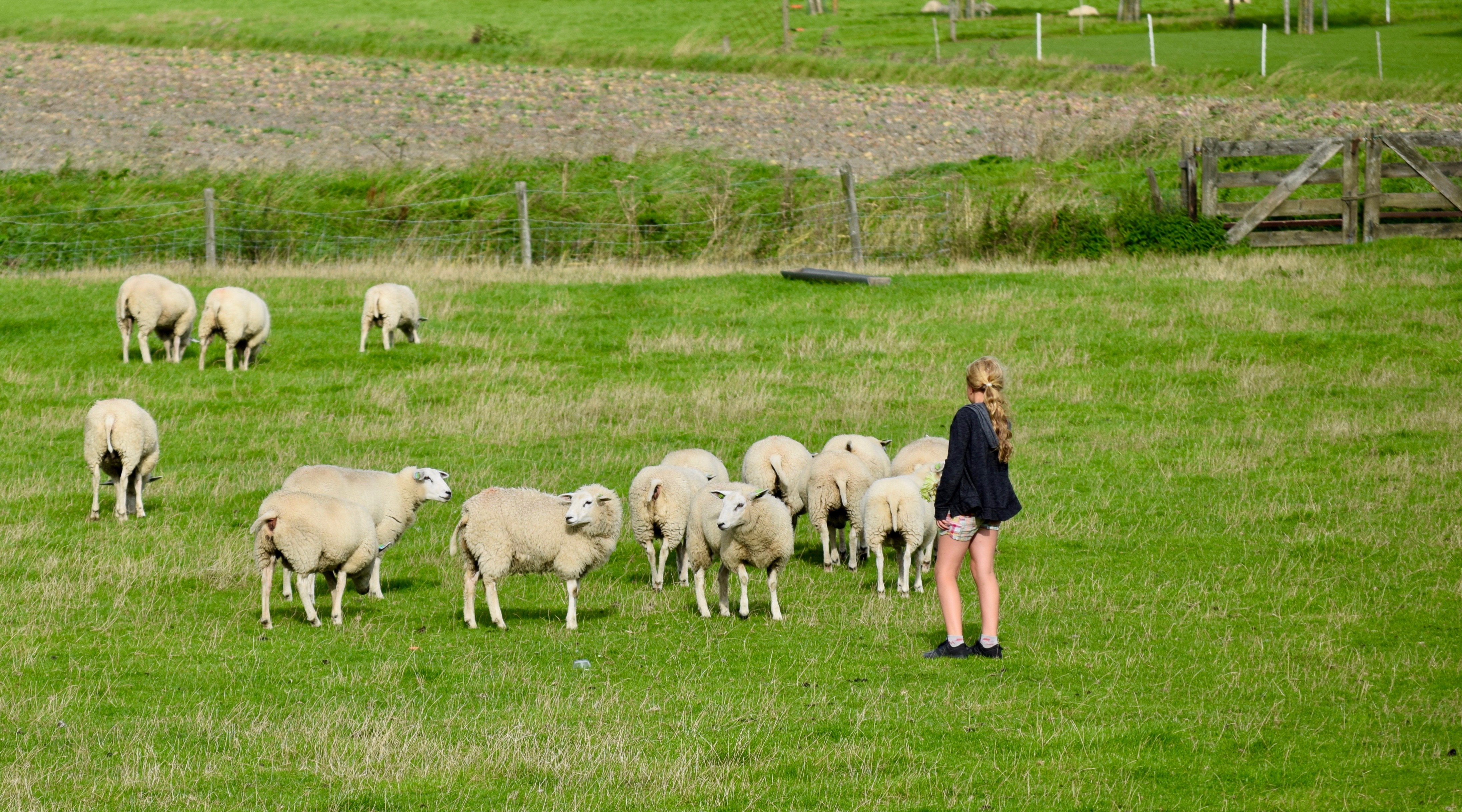
Back to Sita and Jack. The apartment was on the top floor of a converted barn. The house and property has been in Jacks family for over 150 years. During WW2, Sita told us that Jack remembers hiding vegetables and people from the Germans in the barn under the hay. Not only was the place perfect for us, but our hosts were so kind and welcoming and as a bonus, some history. Their home was on the same property as our rental and was an impeccably kept traditional Dutch home (thatched roof and all) with flowers and gardens everywhere and across the small canal was a field with sheep. I know it sounds like we were staying in the middle of nowhere, but we were in a suburban neighborhood; the Dutch really know how to use their space efficiently.
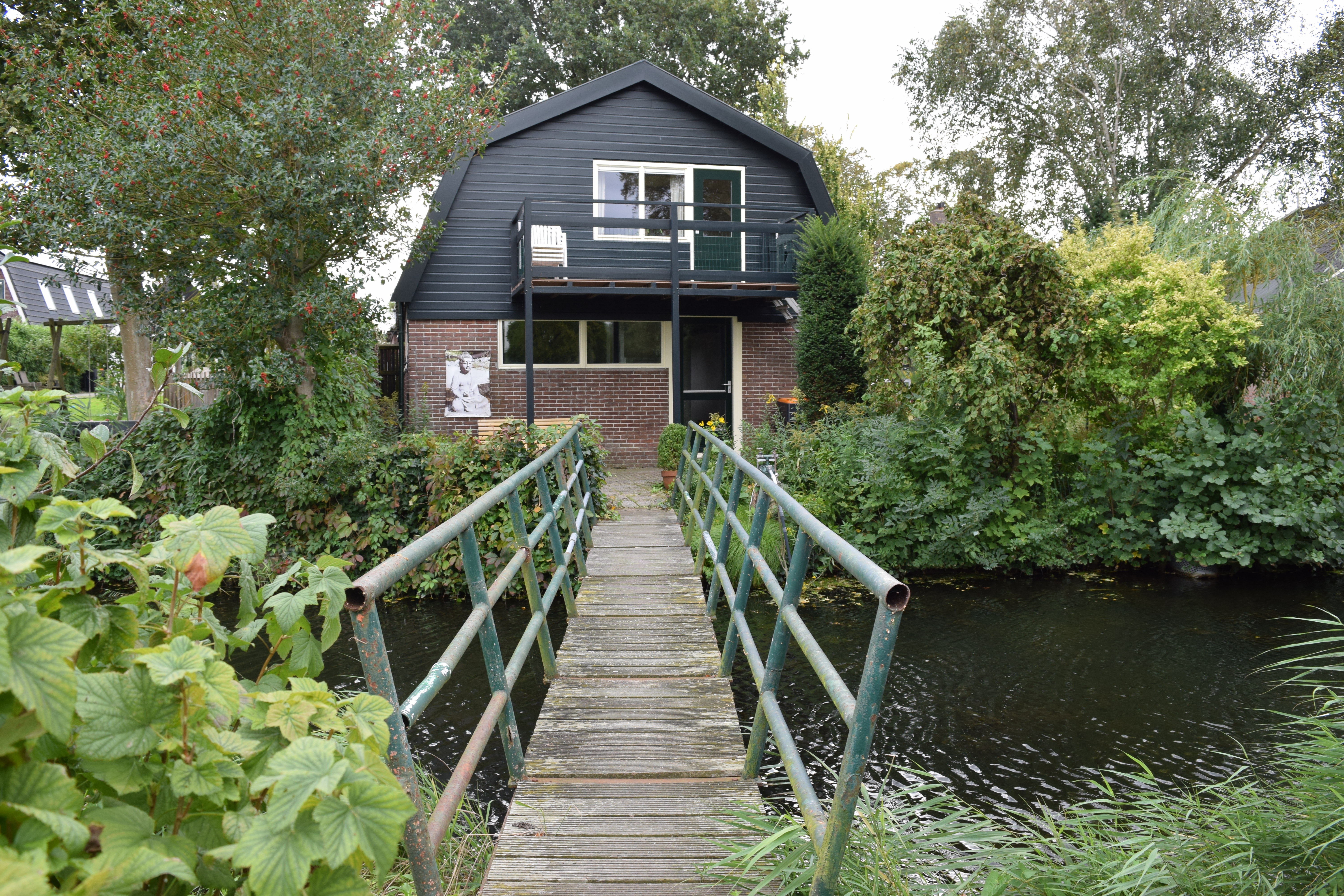

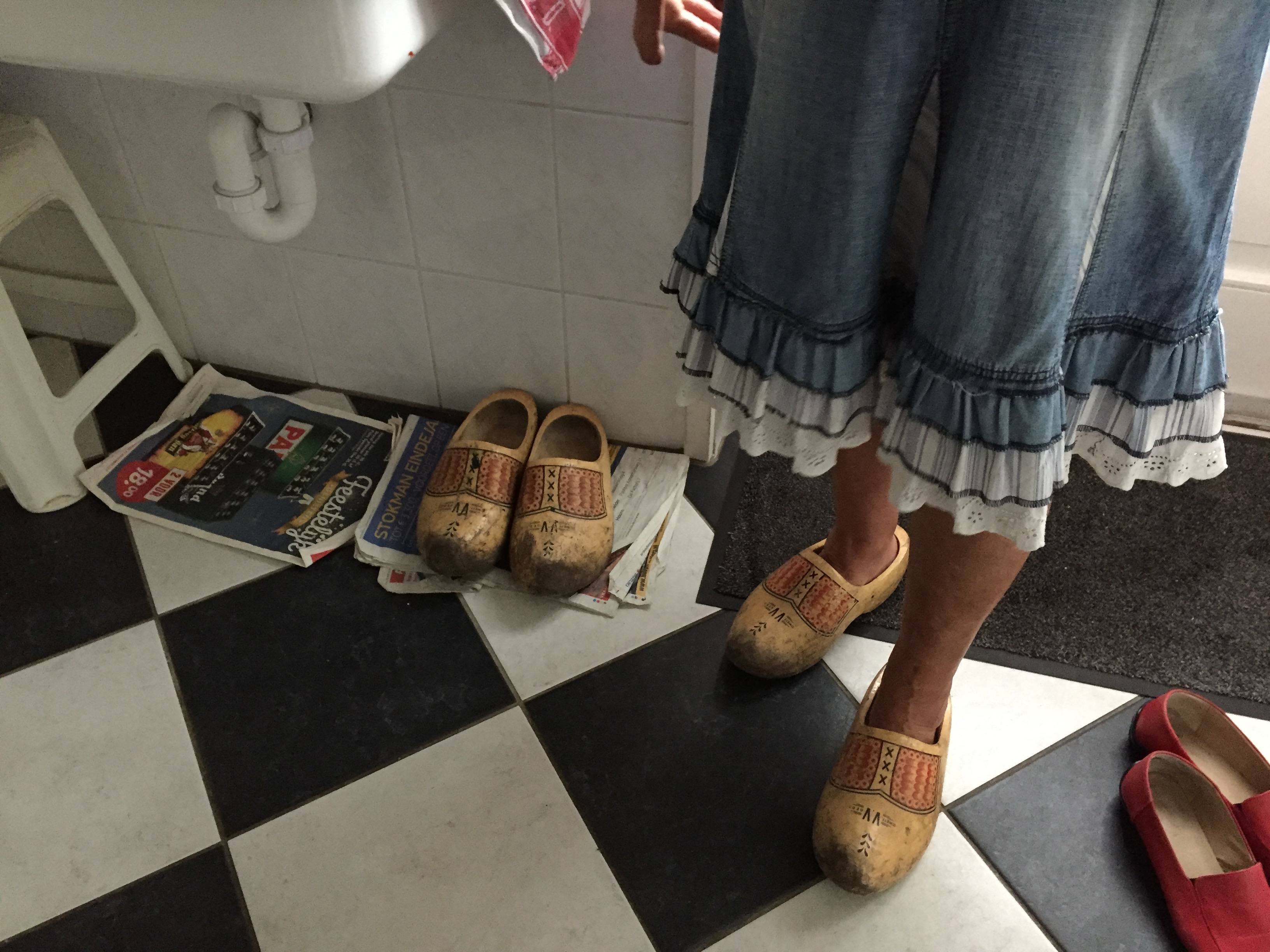
We had our suggestions from Eric and now we had Sita, a lifetime resident of this part of Holland, willing to share her expertise with us. Everything we did was TD (Totally Dutch). Within a 20 minute drive we were able to see a working, old fashioned windmill, ride bikes through villages, forests and dunes, visit a traditional Dutch auction, shop at the Saturday market in Haarlem and do some bunker hunting.
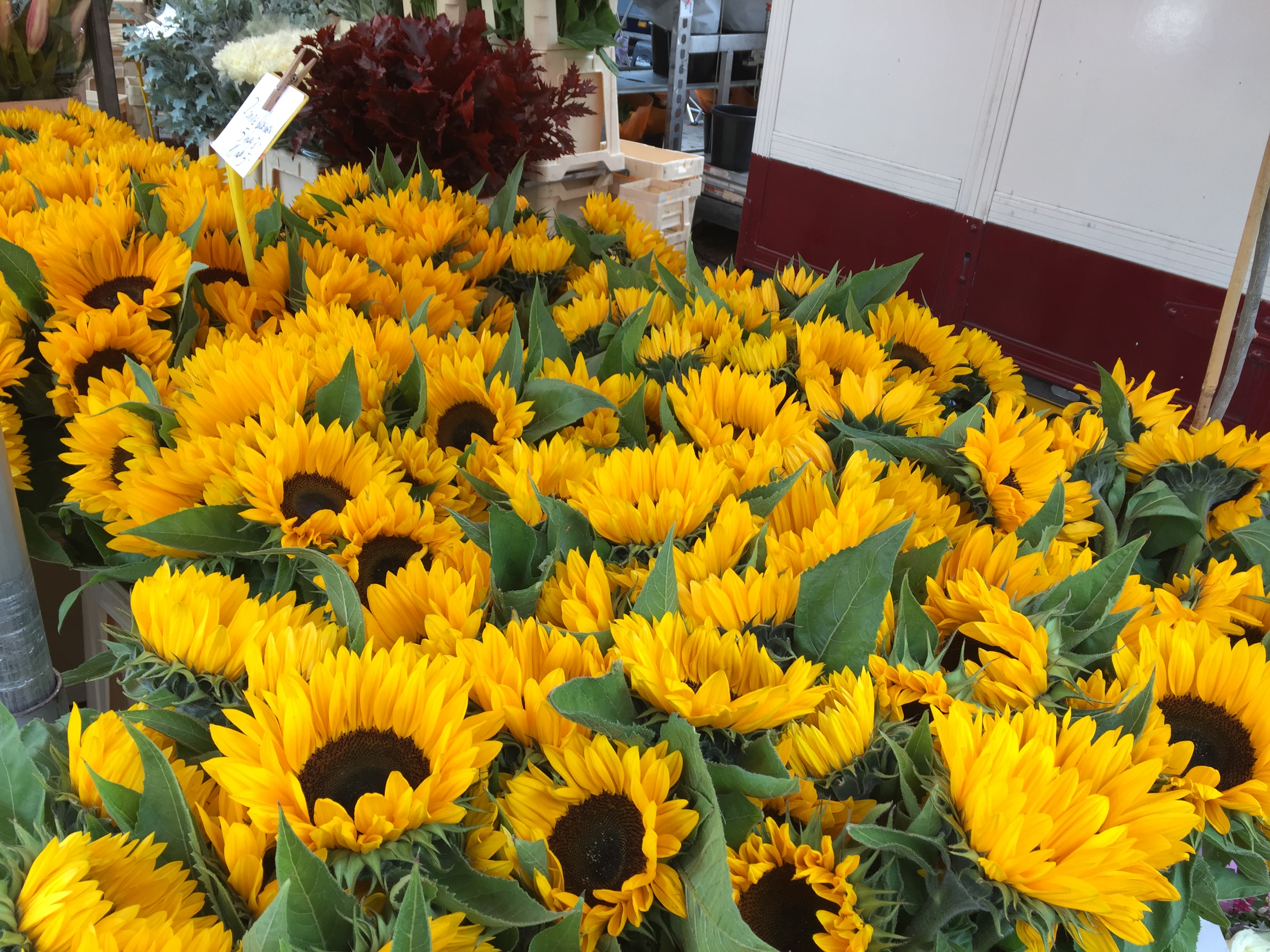
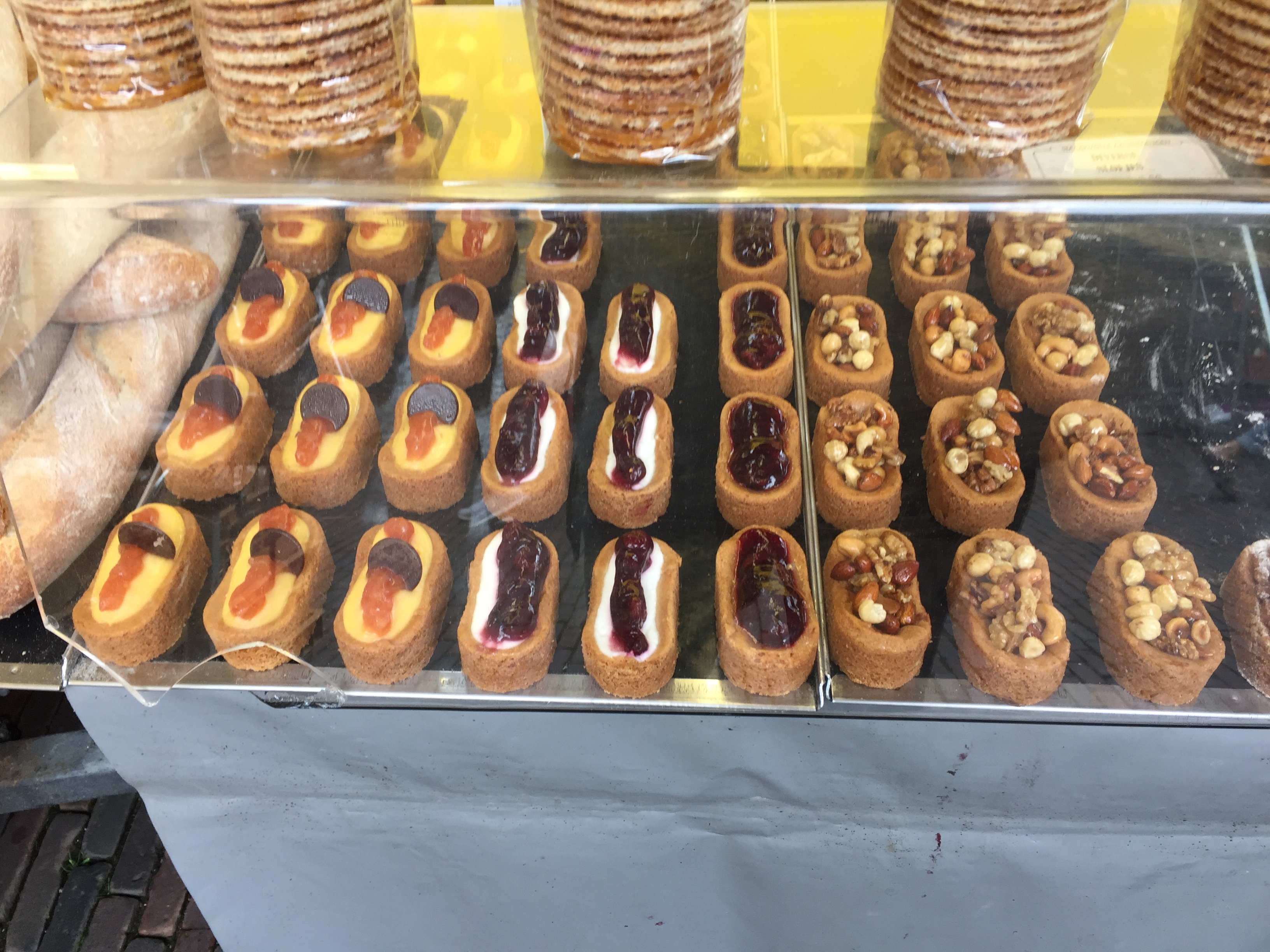
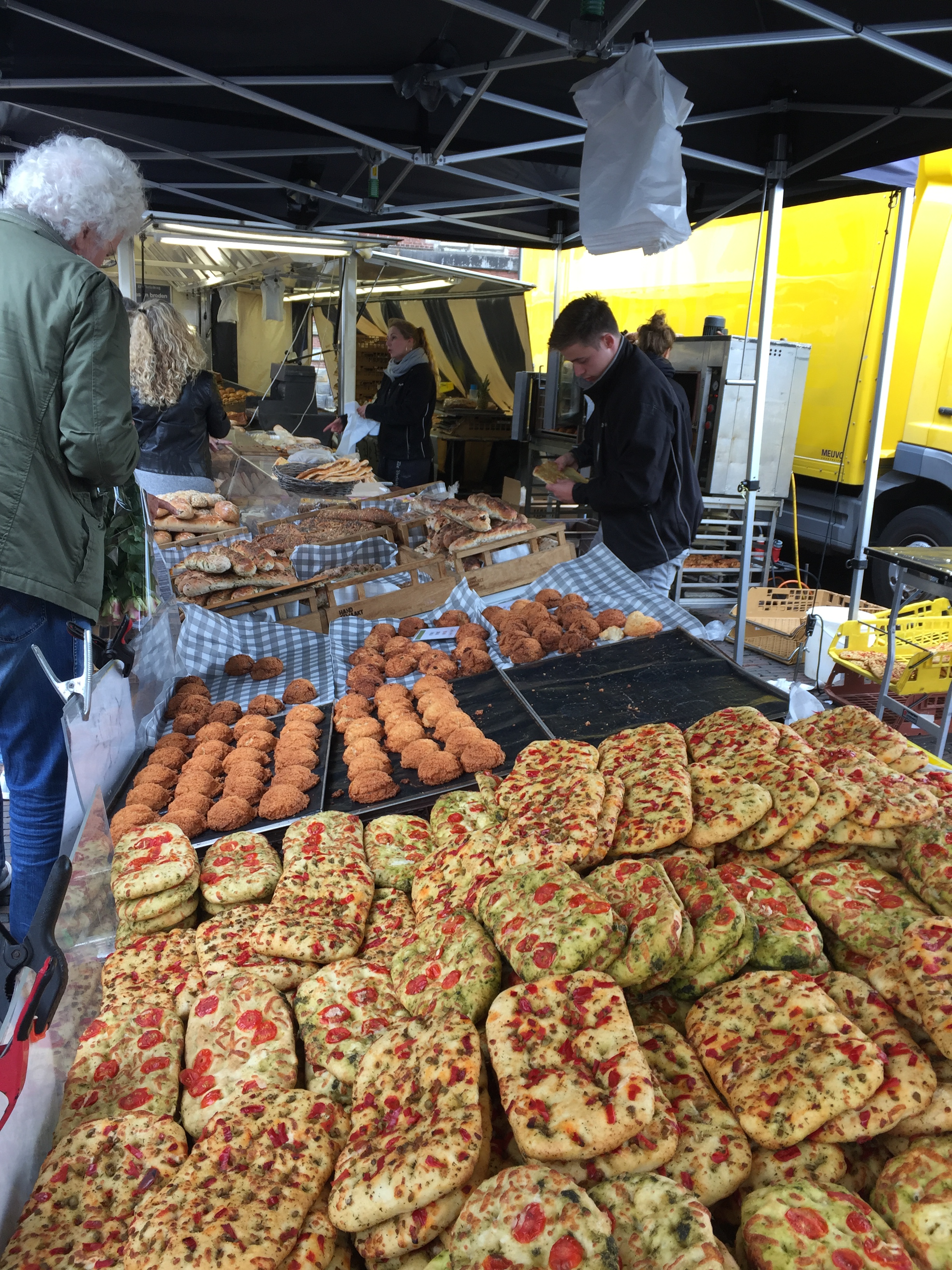
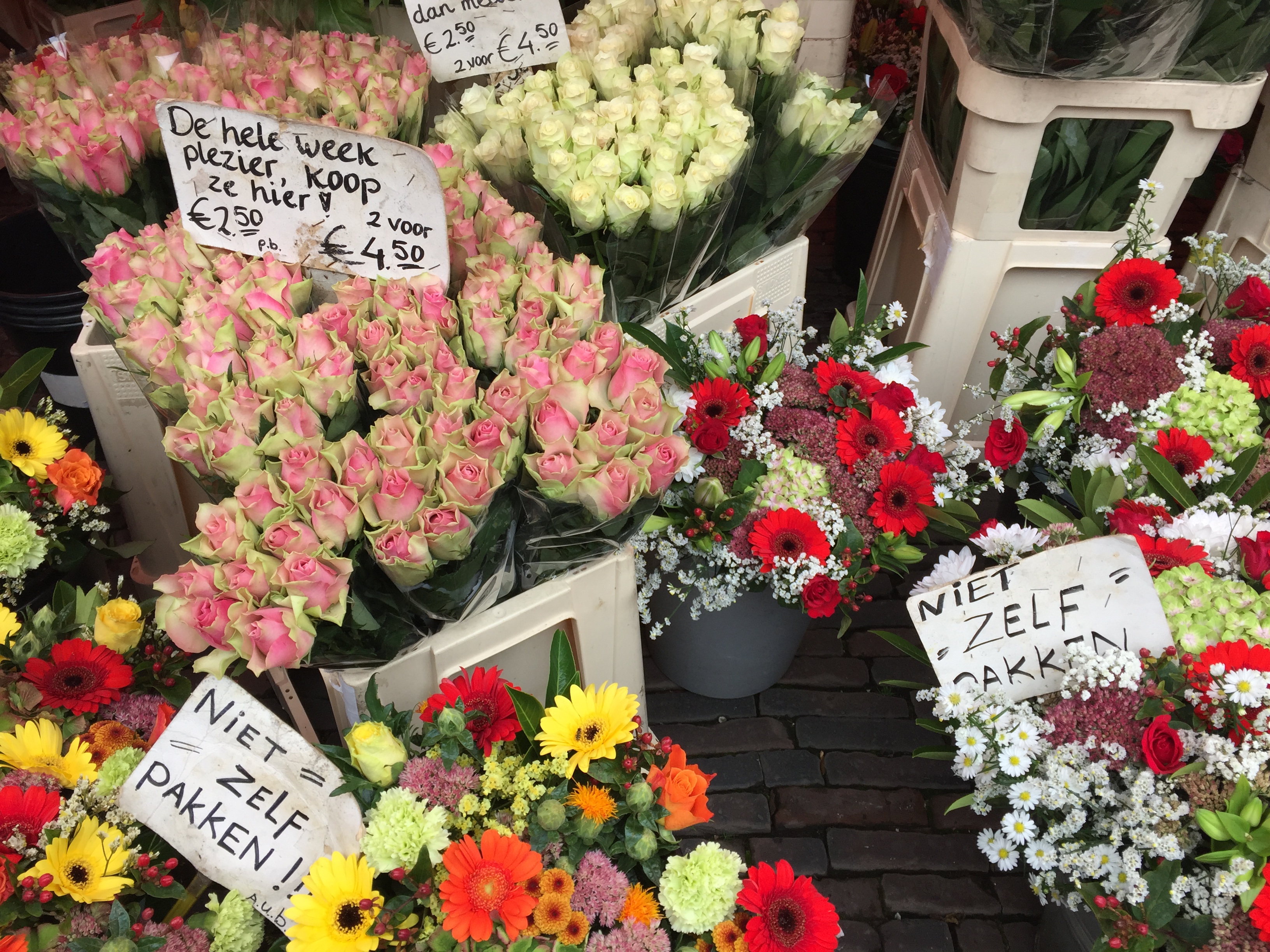
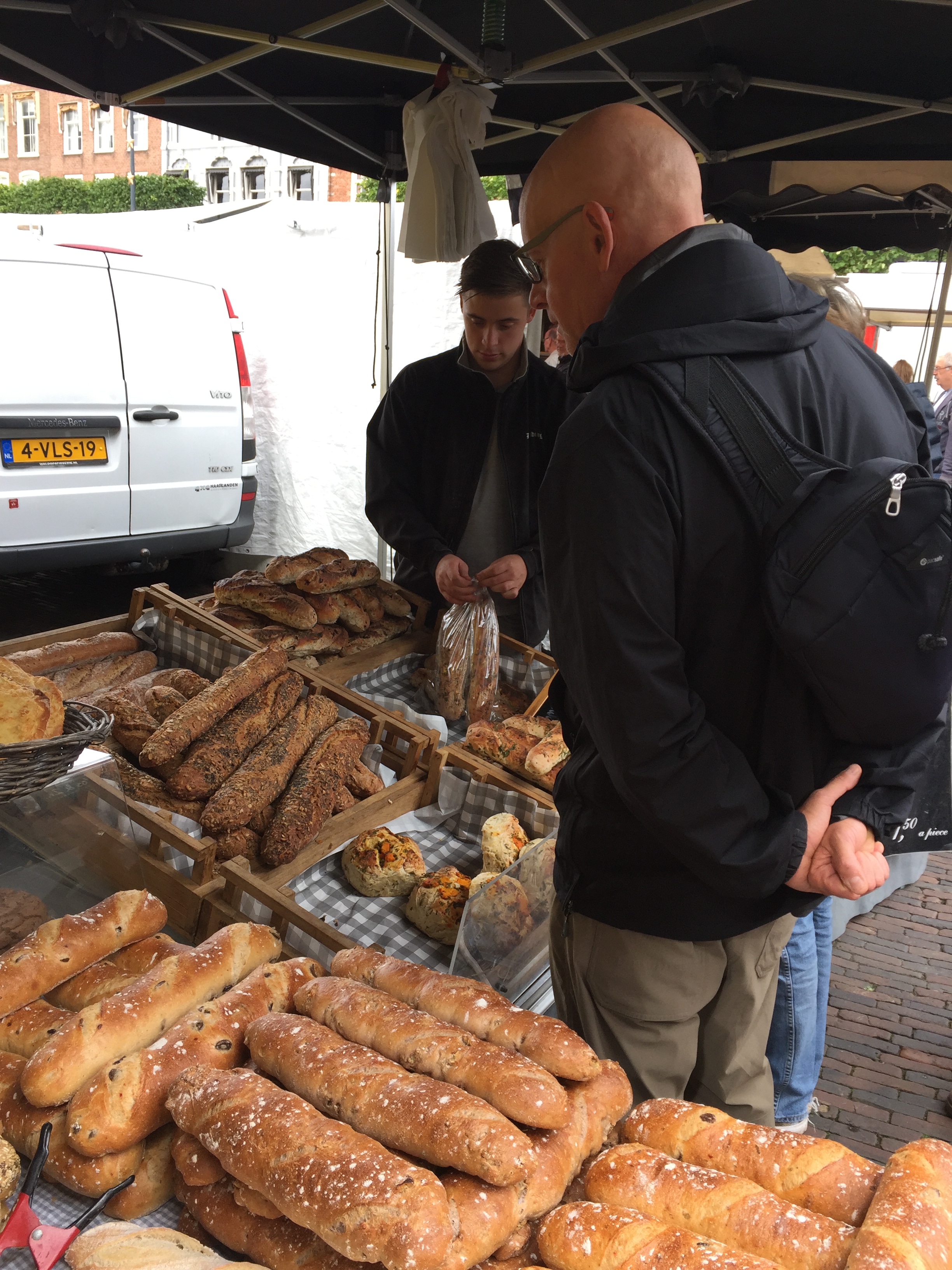
The market in Haarlem was set up like a farmers market. There were:
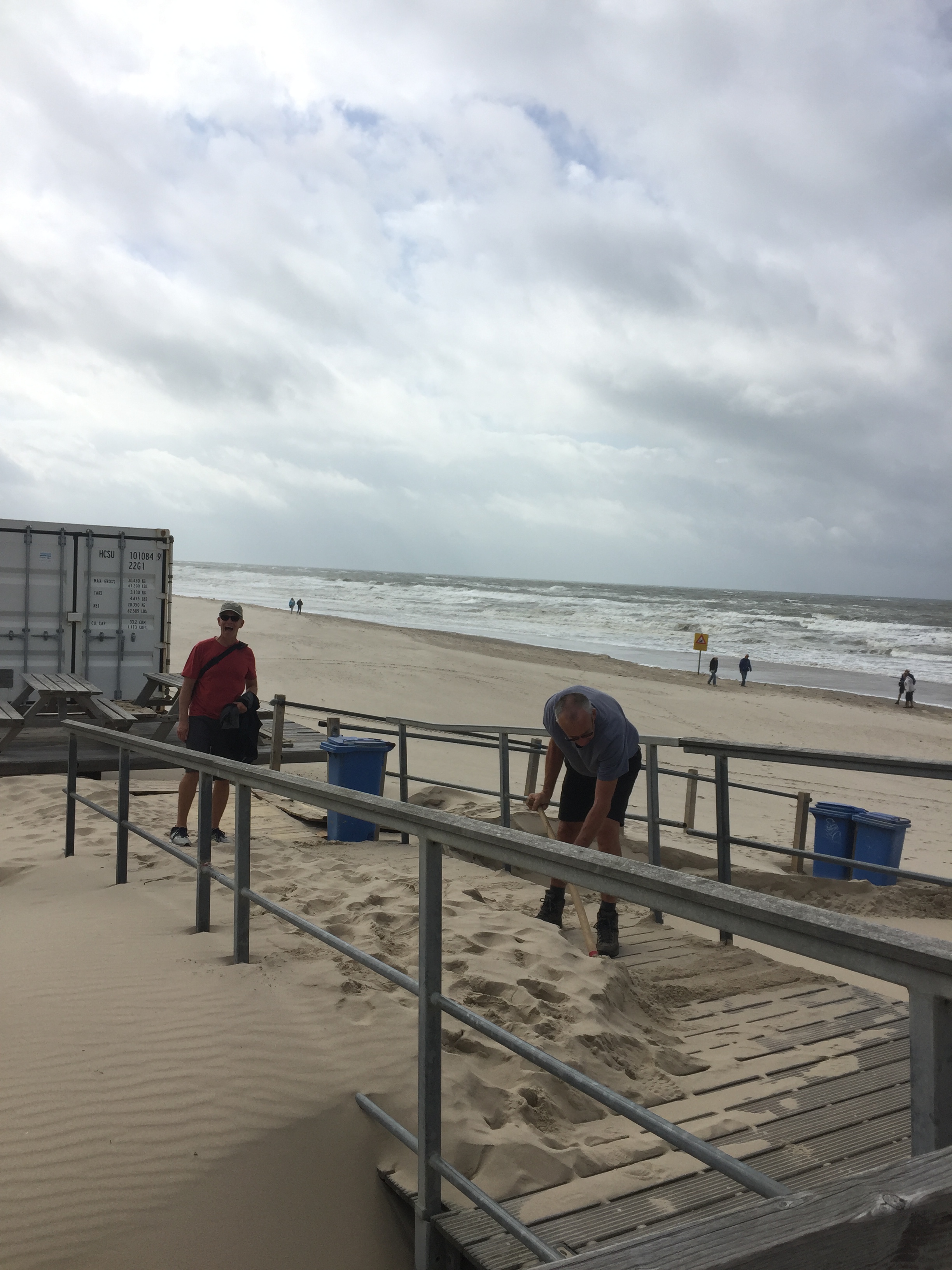
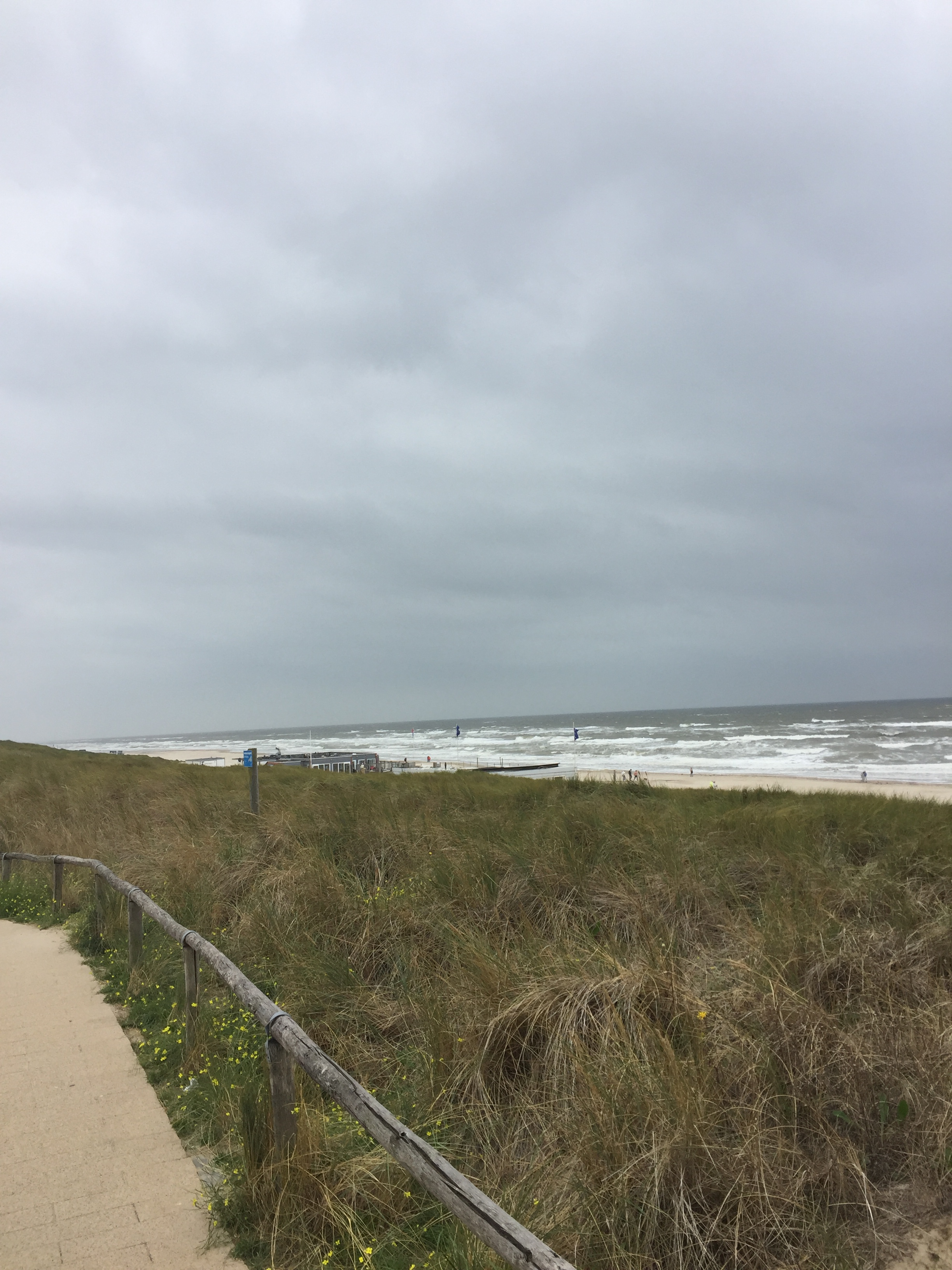
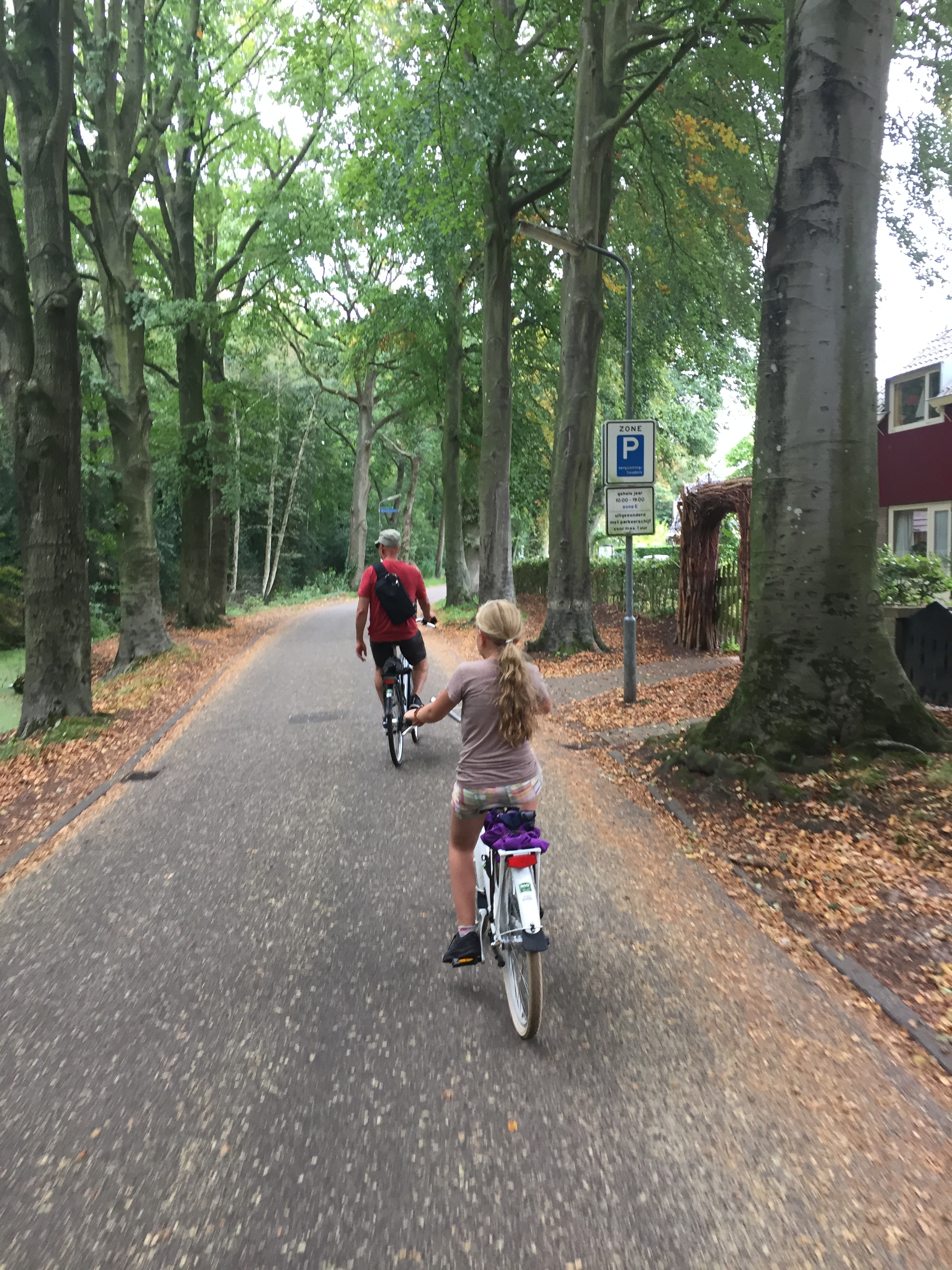
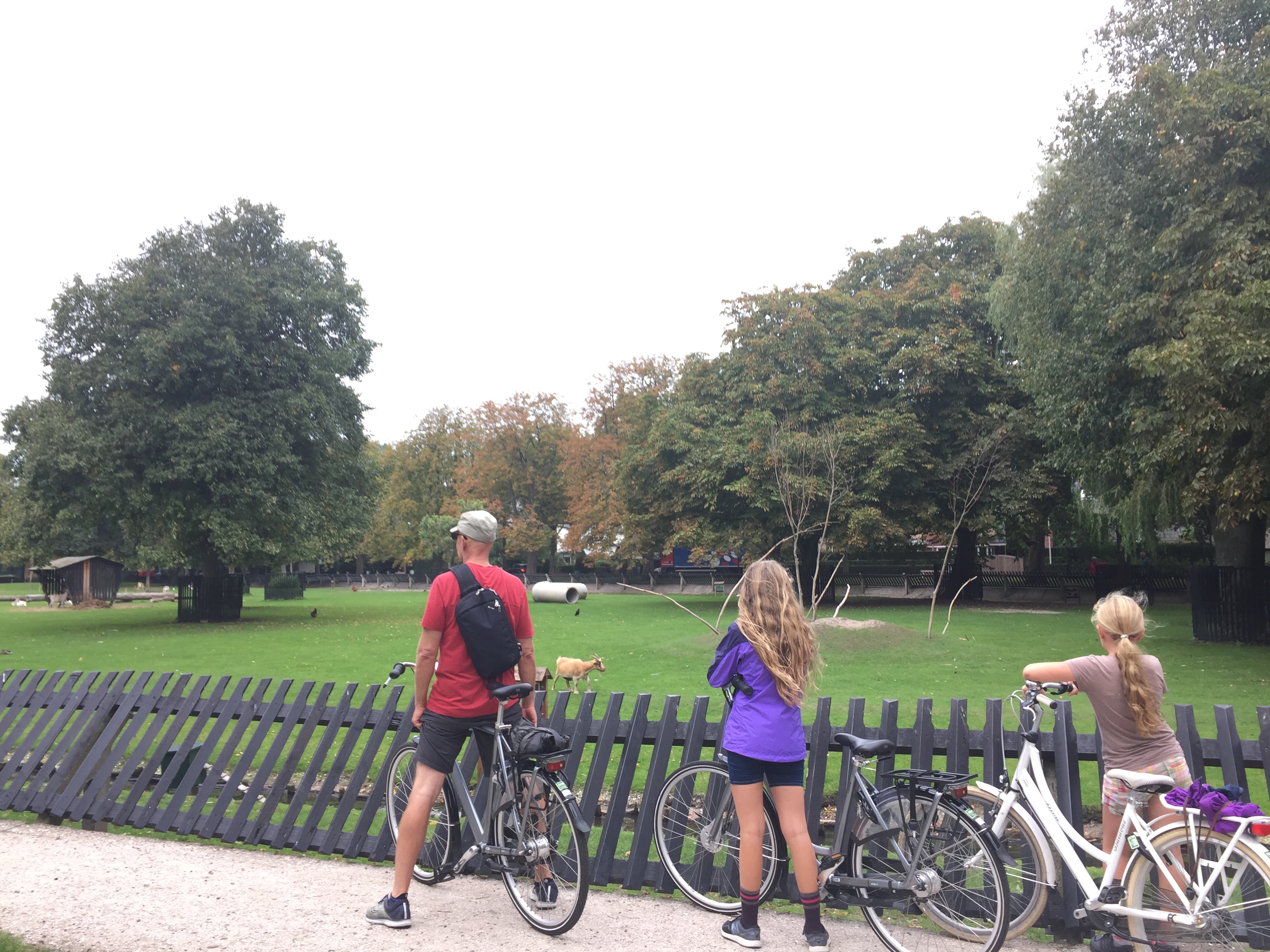
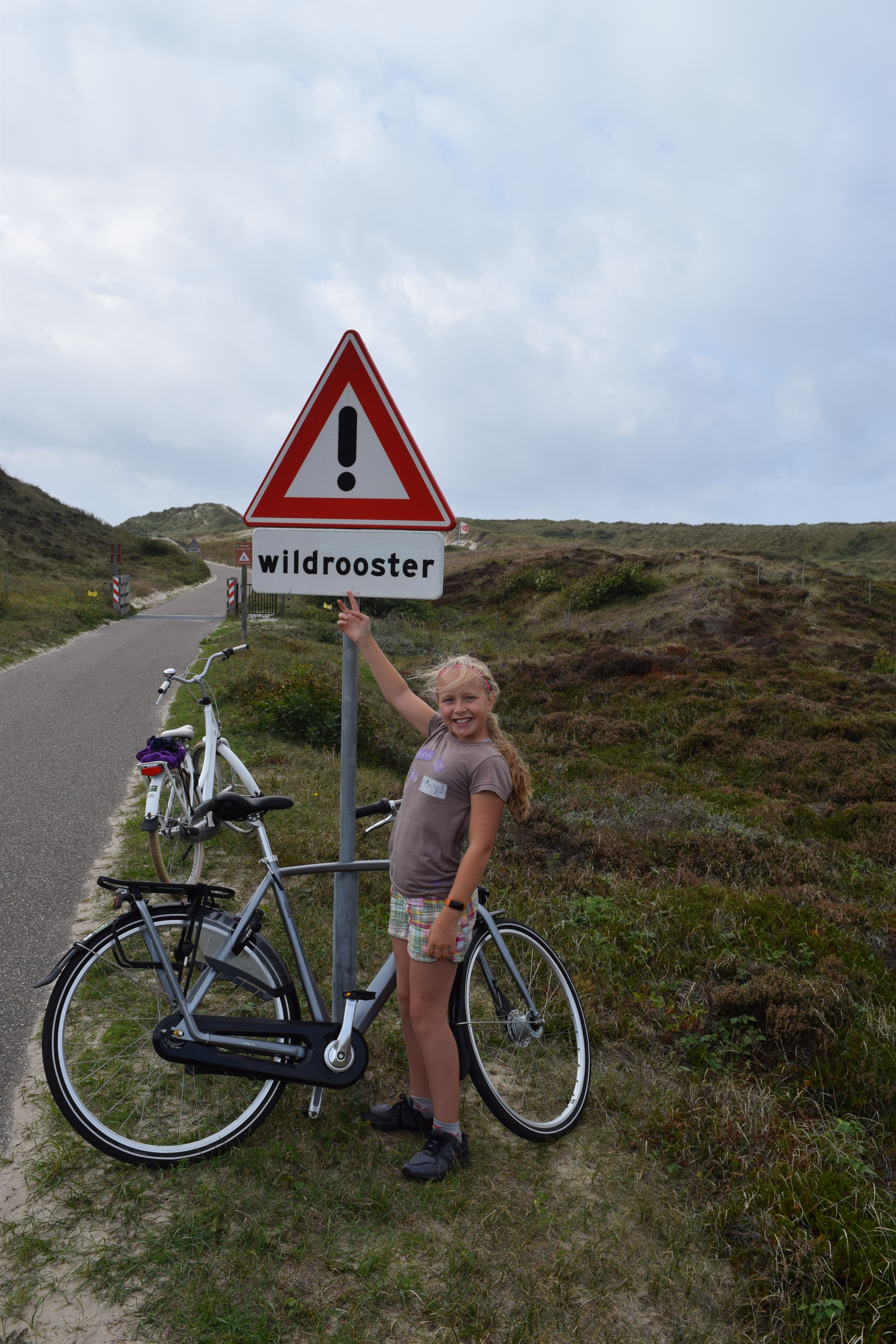
Our bike ride day started in the town of Schoorl. We found a place to rent bikes (35 Euros for the whole day!!) and started on a 25km loop. The Netherlands are pretty flat so biking isn’t hard and the bikes we had were comfortable cruising-type bikes. It was still a little challenging because the route we picked was started through some rolling hills and dunes (think stationary dunes covered in grass and small shrubs, not moving sand dunes) so there was some uphill, and the wind: holy crap. We thought it was an exceptionally windy day, but apparently it’s always like that. I guess that explains the success of windmills. Mark made sandwiches and we thought we’d eat on the beach…hahahaha, not unless we were planning on eating actual SANDwiches. But we did stop at a café beside the sea that had a glass enclosure and had some drinks. The sandwiches had to wait until we were inland a bit. We biked through a herd of cows that were grazing on and beside the bike path and headed into the forest to the town of Bergen. Normally I wouldn’t be comfortable with the girls biking in traffic, but in Holland, bikes rule. There are paths everywhere; it’s faster to get from one place to another by bike than by car most of the time. Sita told us, “If it comes down to the car or the bike, the bike is always right!” Mark said driving in Holland has been the most stressful of the trip so far because of having to constantly check for and yield to the bikes. That’s saying a lot after driving in England.

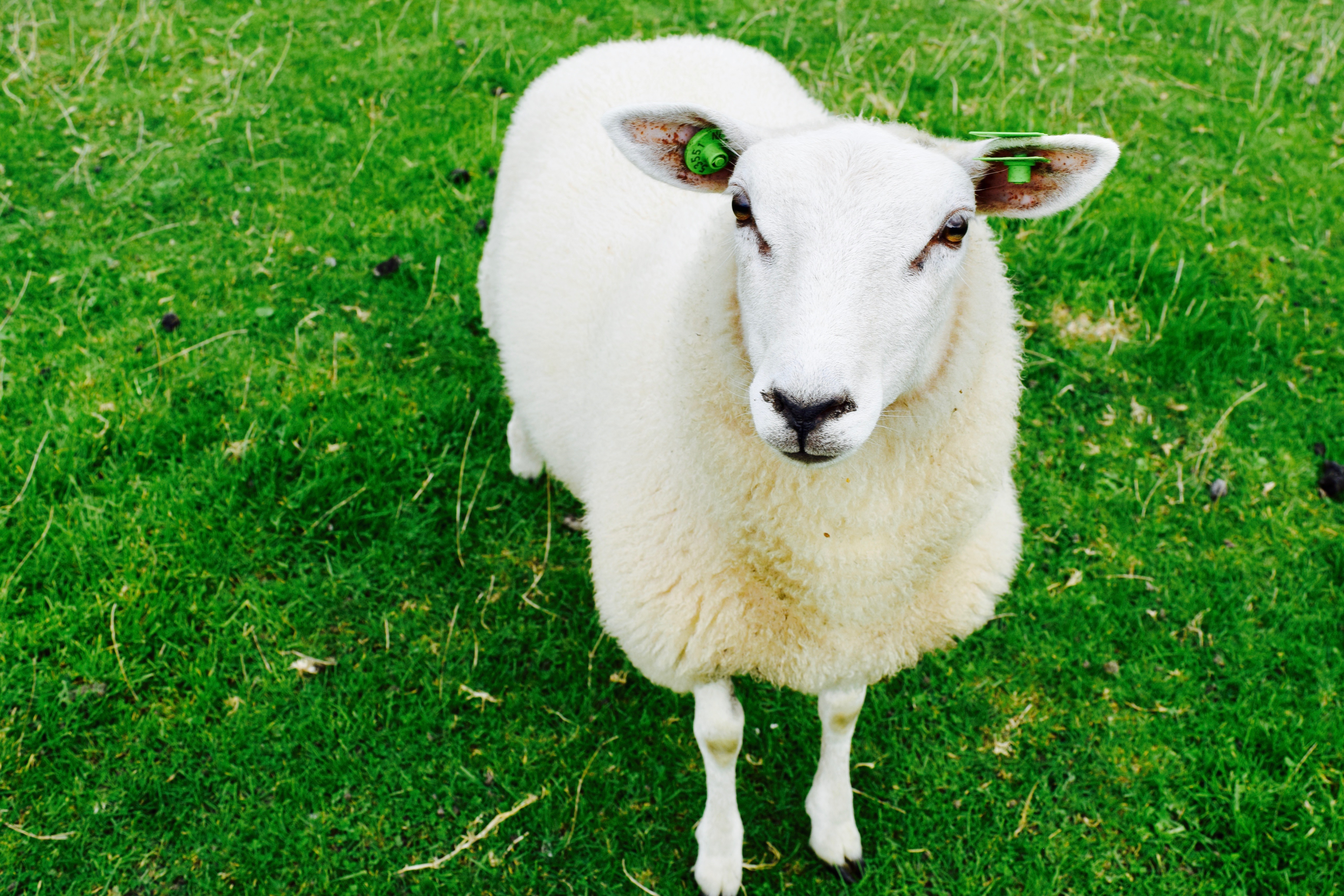
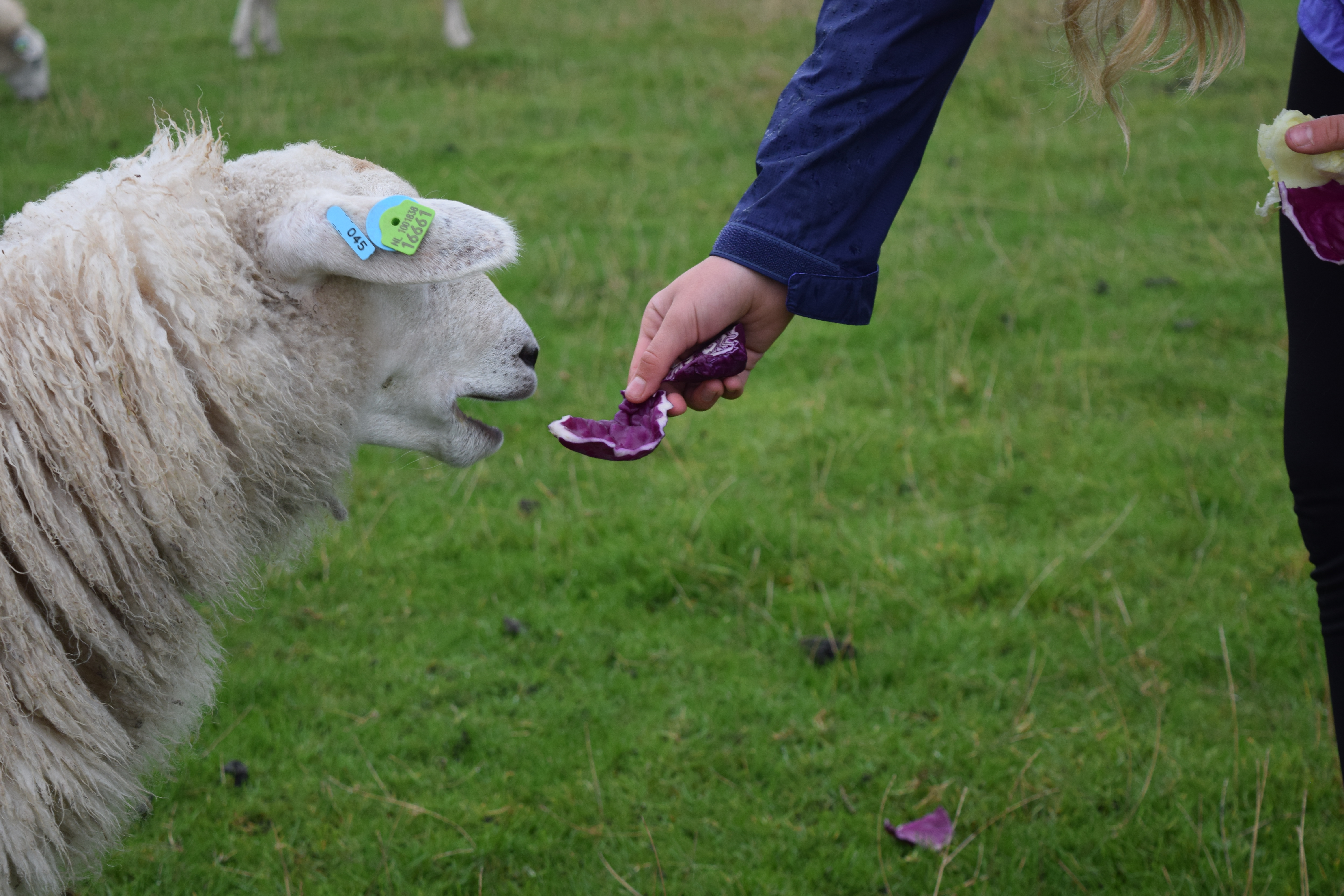
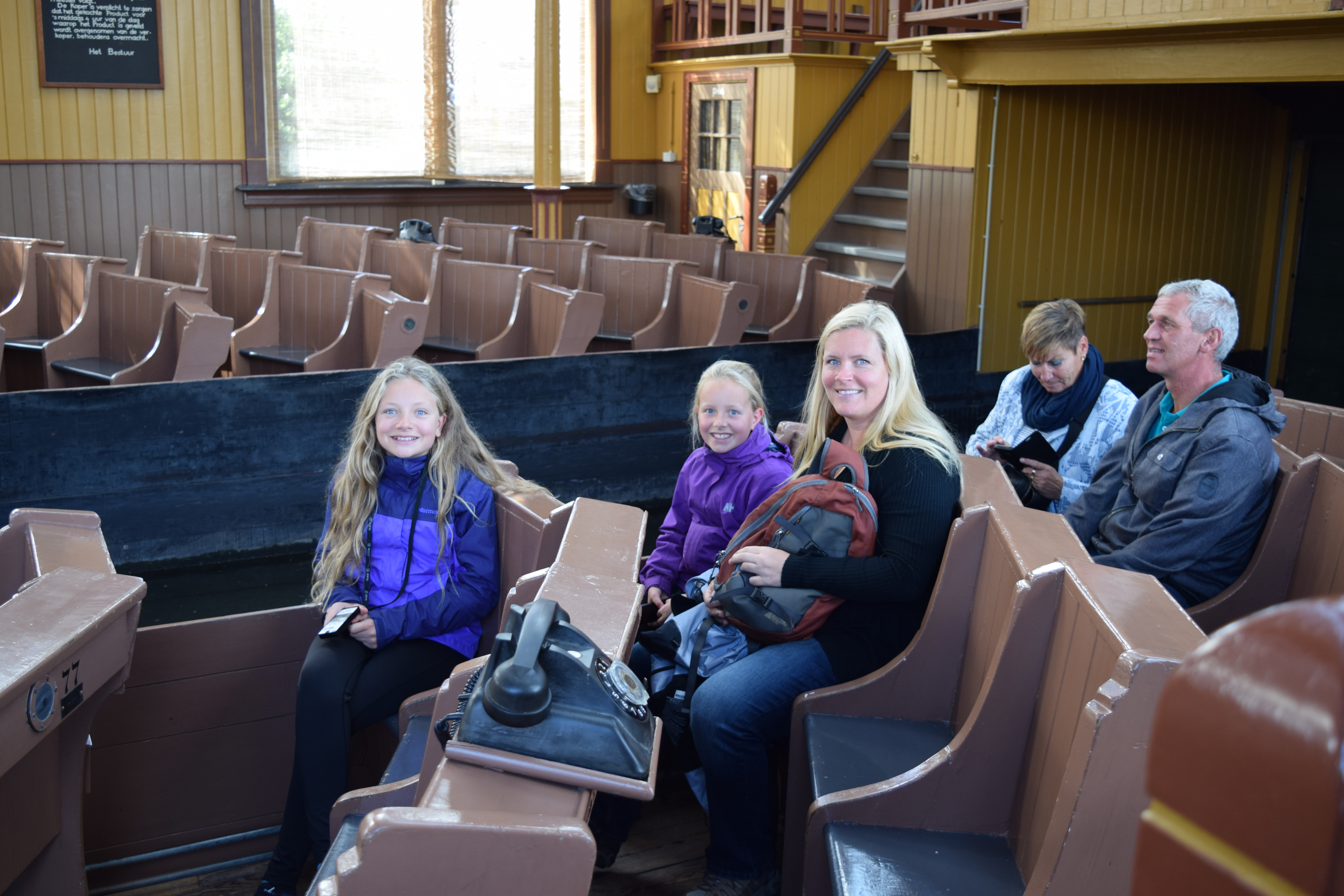
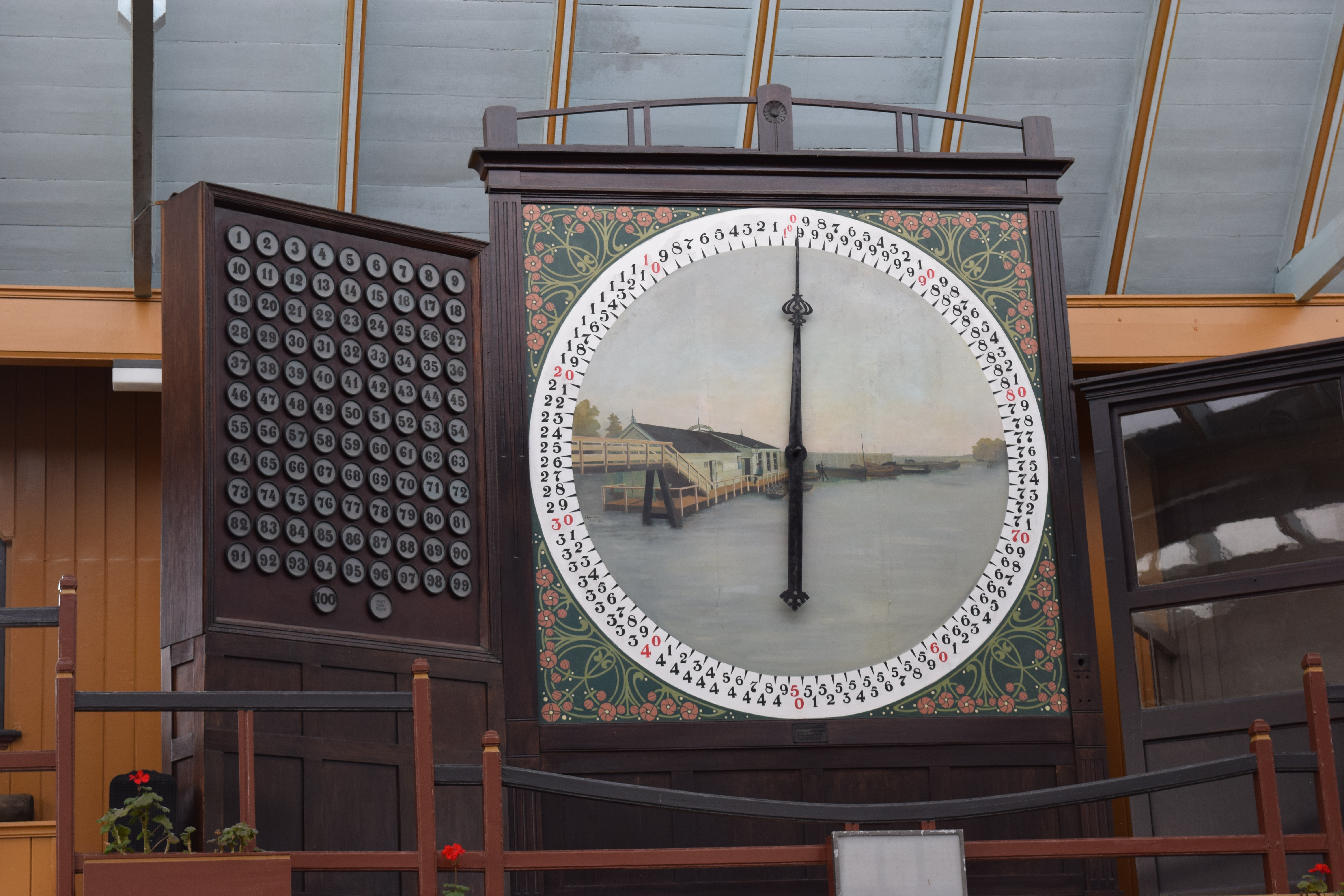
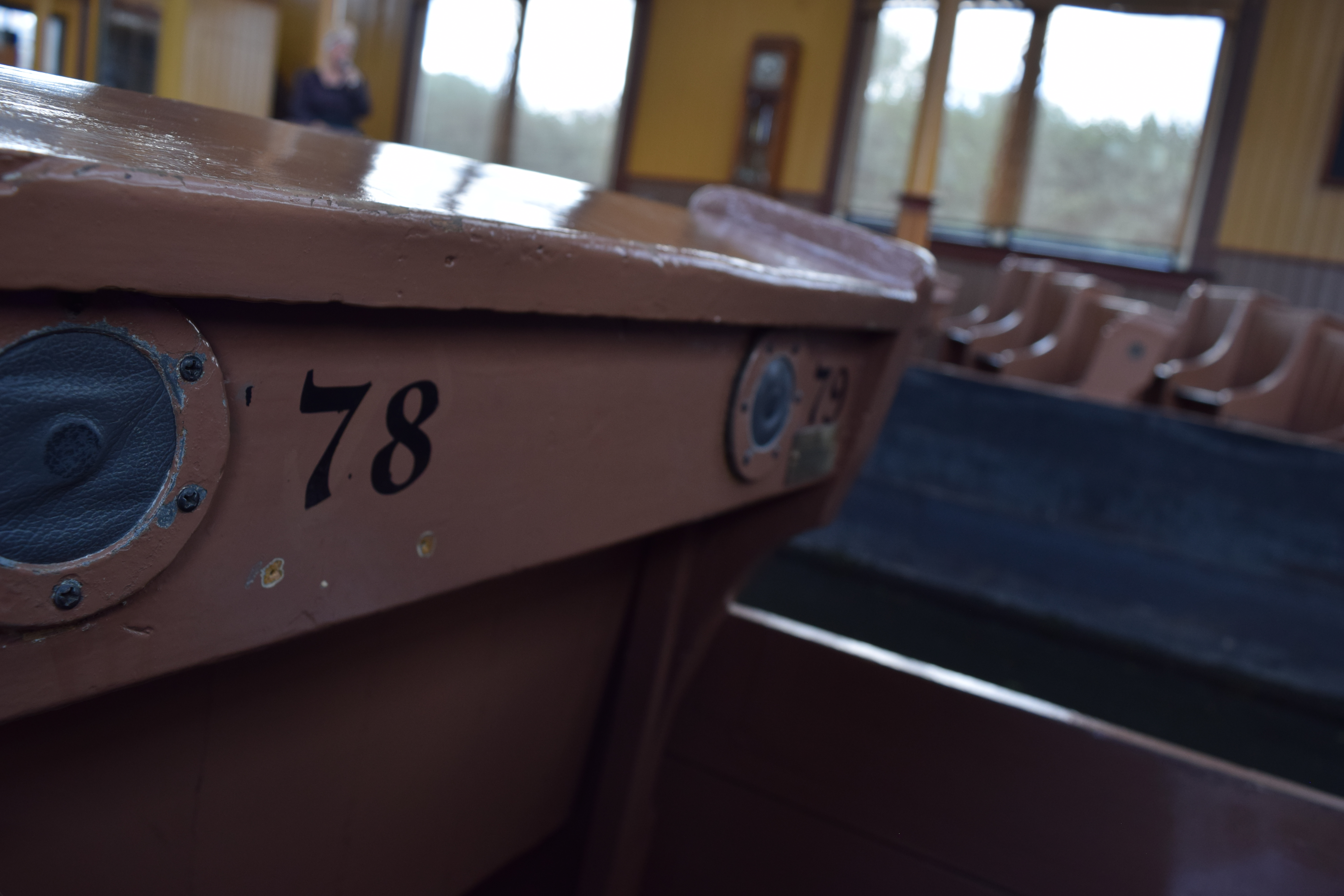
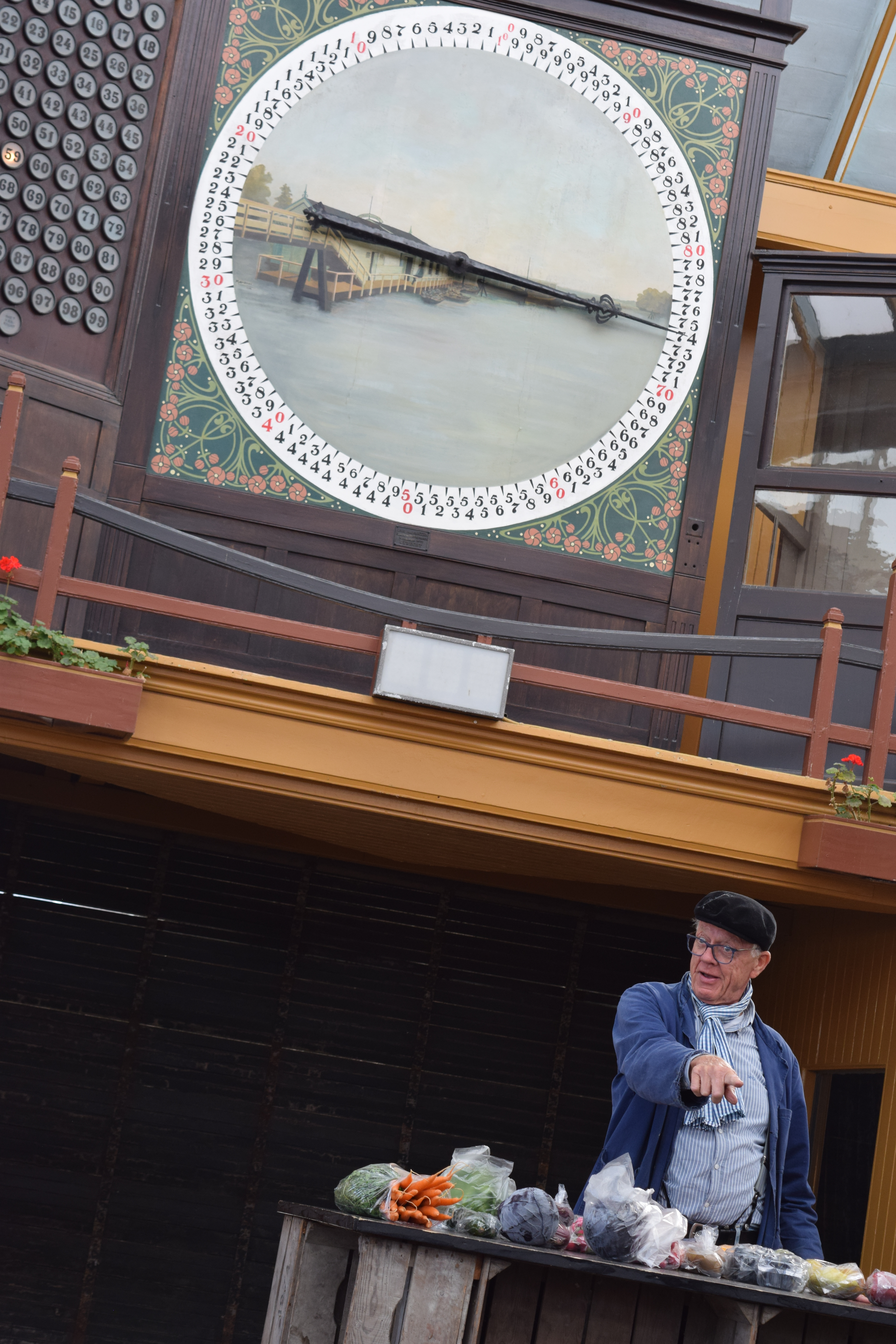
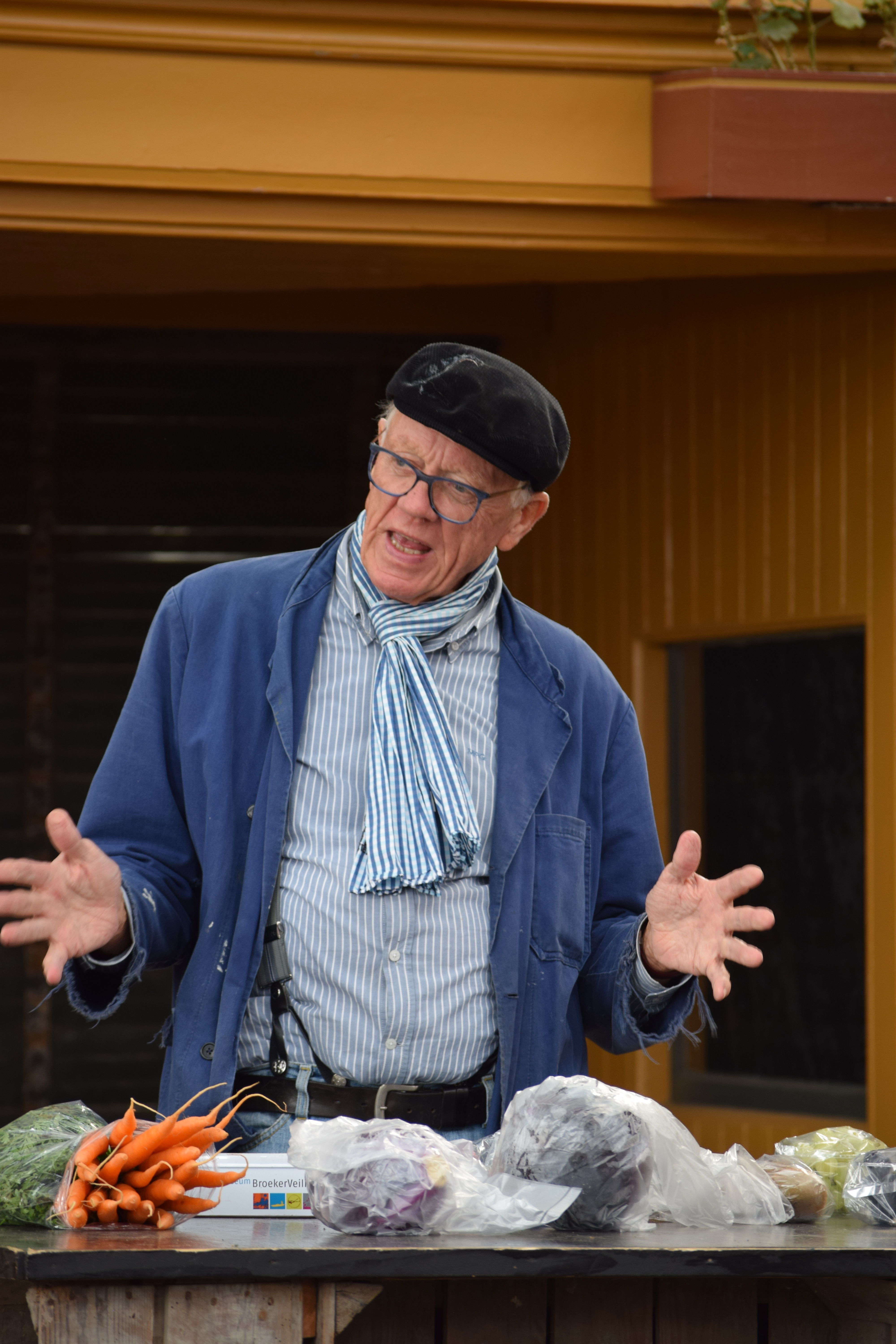
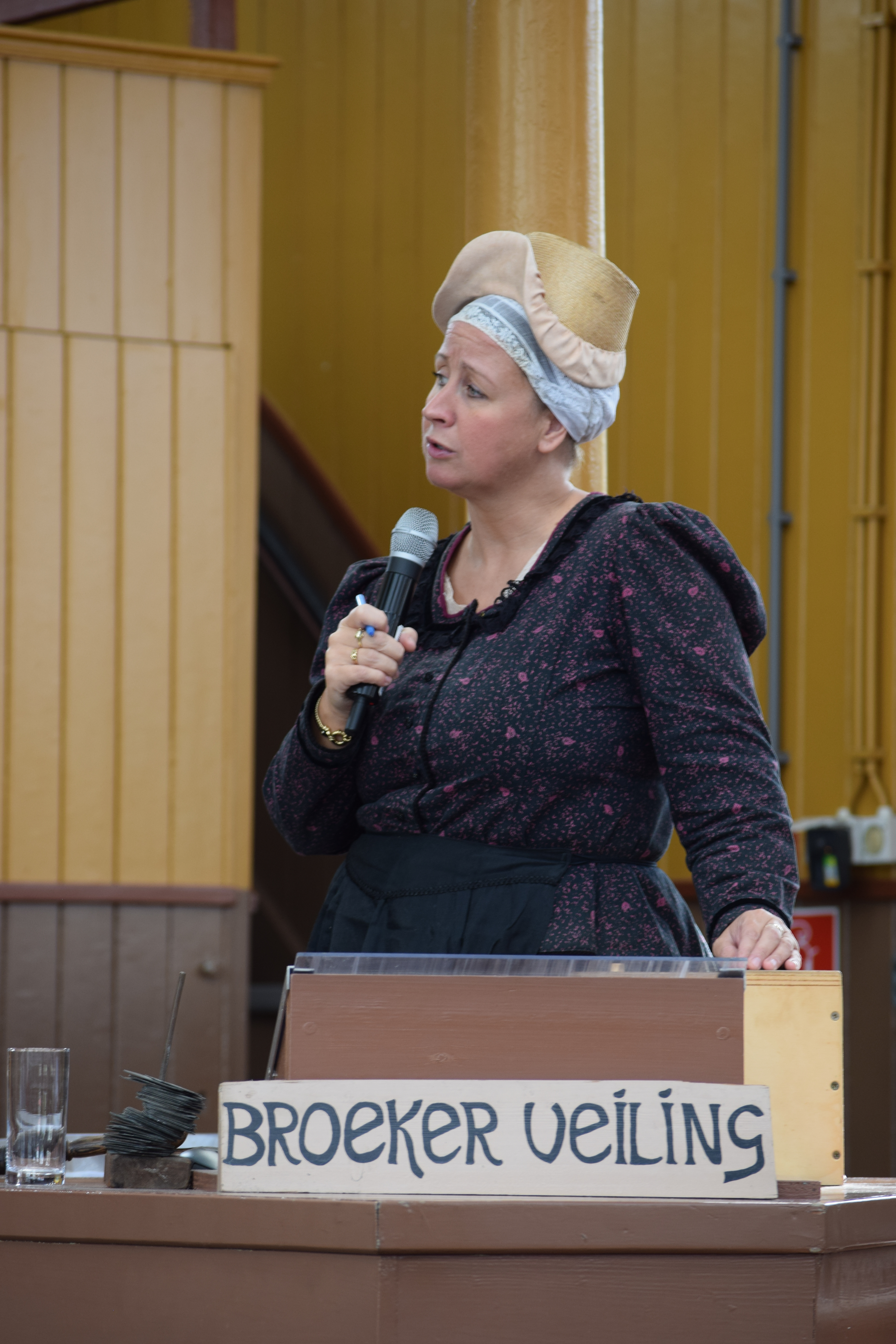
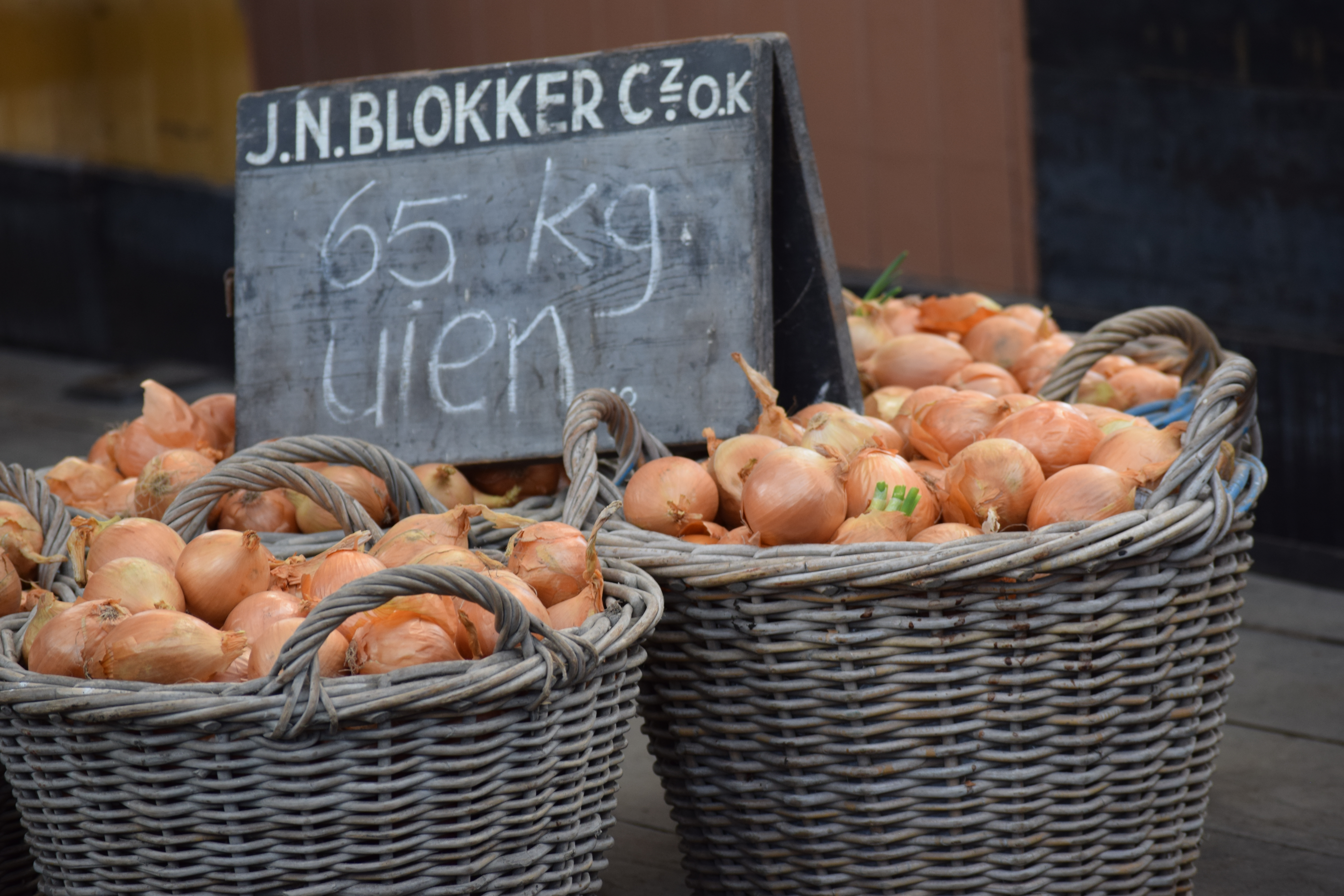
Another TD experience for us was the produce auction we went to. In this part of Holland historically farmers were given long strips of land (maybe 100-200m x 20m) that were only accessible by boat. They would grow vegetables, fruit, flowers and some even kept sheep or goats on these islands. In order to sell their goods they would have to load their harvest onto a punt (a boat you push with a pole, later on a small motor boat) and bring it to a market. Picking it, loading it, transporting it, unloading it and then selling it is a lot of work. So, they came up with a floating market. Each farmer would float their boat of goods into an action house built over the water and people in the stands on either side would bid on it. A Dutch auction is opposite of a regular auction. Prices start high and go lower. The first person to bid, pays that price. We had an introduction to how it worked and then got a chance to bid in some produce. We ended up buying pears, cabbage and lettuce. Nowadays they auction small quantities of goods, but back in the day people or merchants would buy large amounts. We ate the pears, but Molly and Grace fed the cabbage and lettuce to the sheep back at Sita’s place.

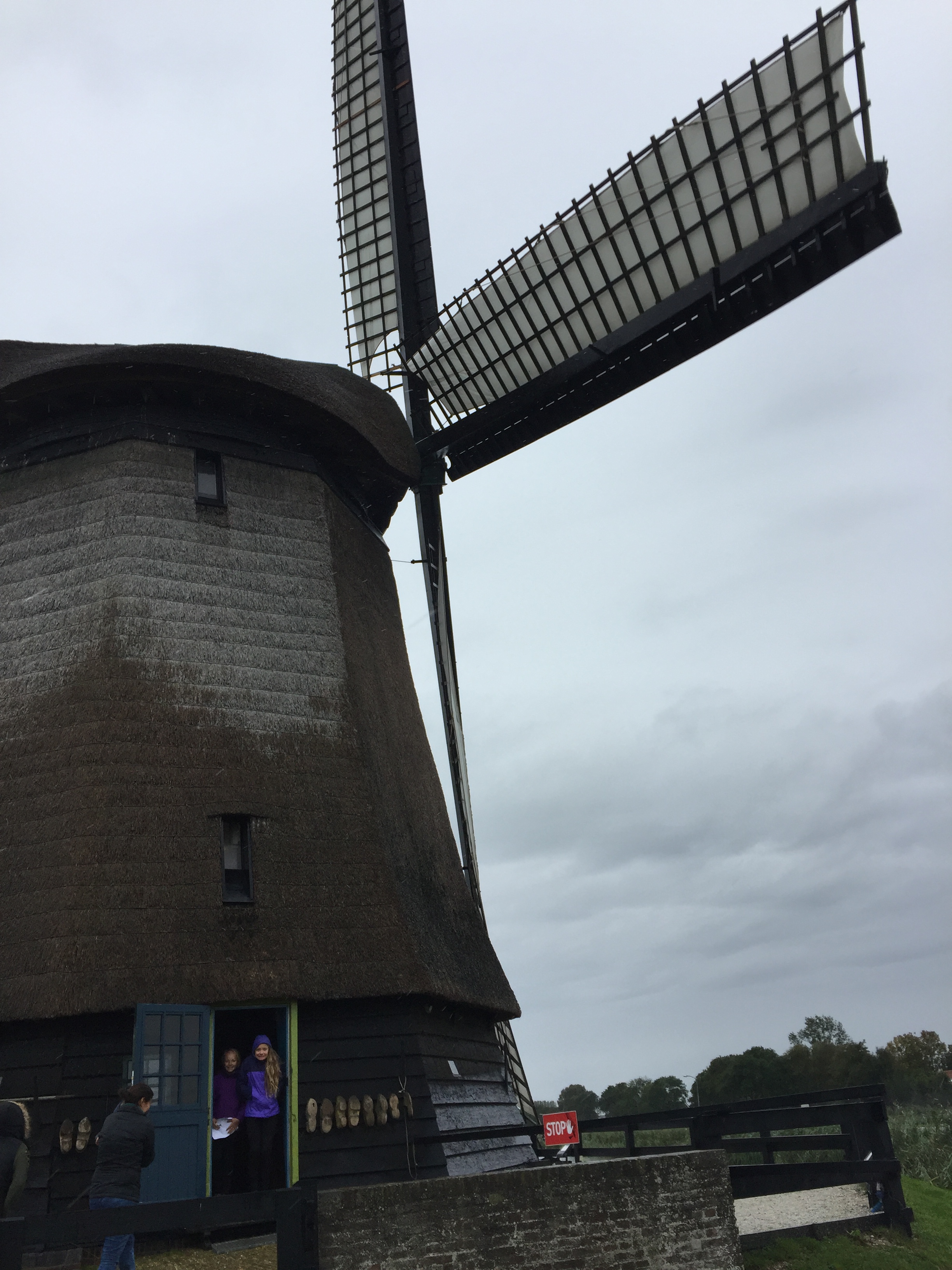
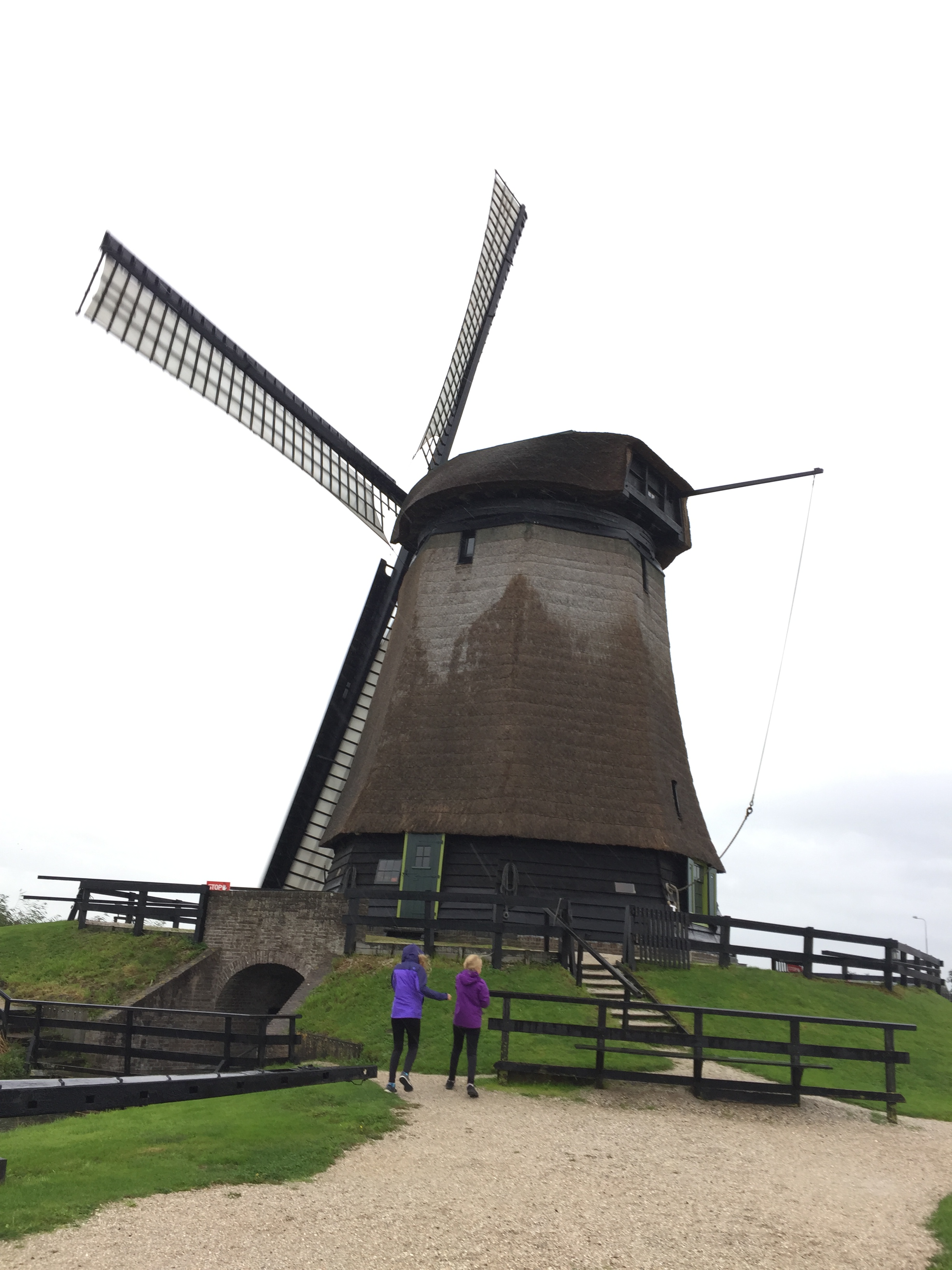
Windmills are what built the Netherlands. Most of the north part is between 1-4m below sea level. The building of the dykes and the use of windmills to pump water into the canal system and back to the sea has created usable, fertile land for the Dutch people. Hence the title of this blog. The ingenuity, engineering and hard work to do this is impossible to fathom. Take a look at North Holland on Google Earth, it’s a logistical masterpiece. Nowadays the canal water is pumped using a computerized electrical pumping system. There are still windmills that work and could be used in an emergency, but the main reason they are kept operational is to preserve history. We were able to tour a working windmill from top to bottom with the miller who operates and maintains it. It’s set up just as it would’ve been originally. The miller and his family lived on the bottom floor, and the upper part was the guts of the windmill. I won’t explain it, there are great YouTube videos if you want to see it, but just know that everything inside was original and working full steam on a windy day, so it was pretty cool.
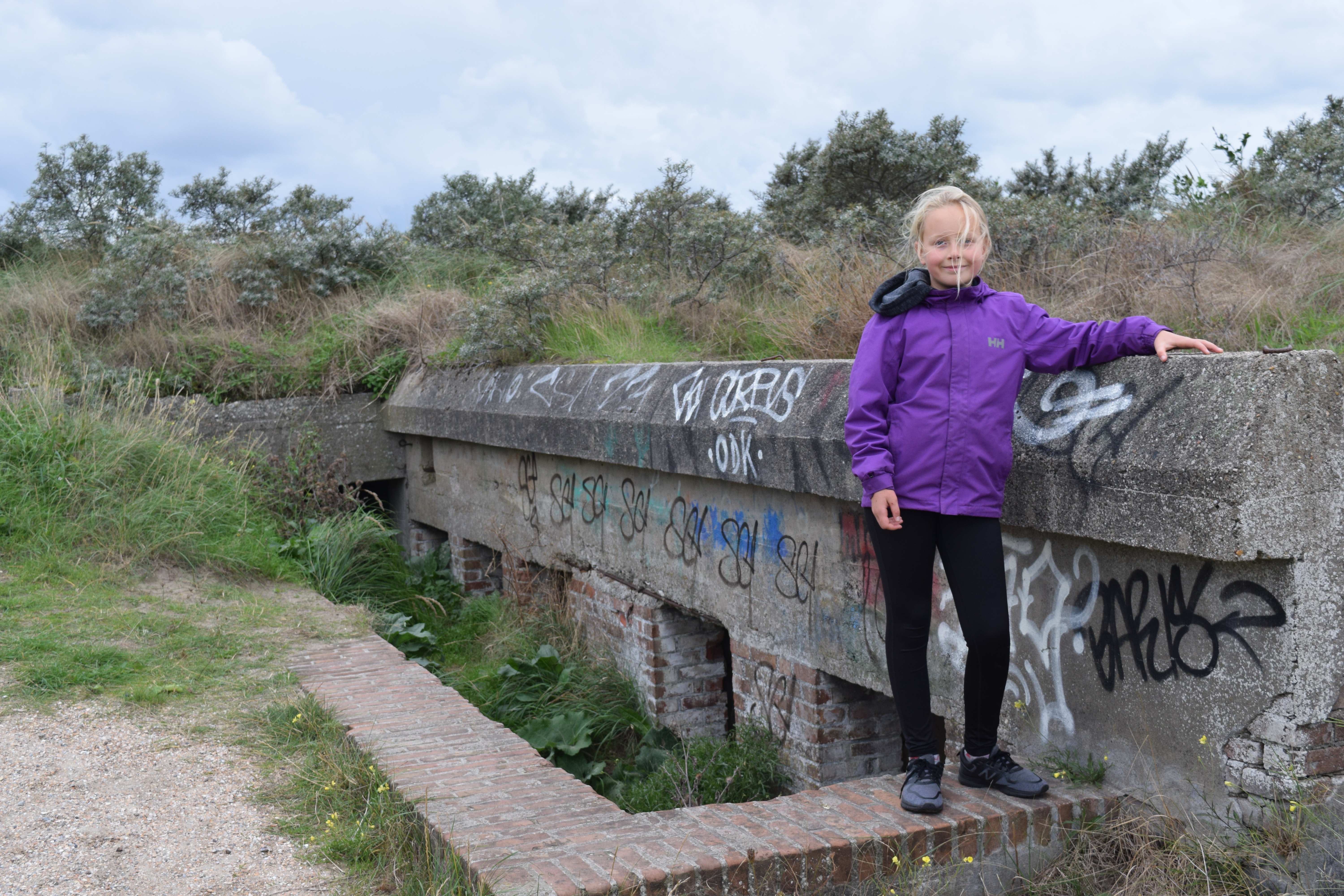
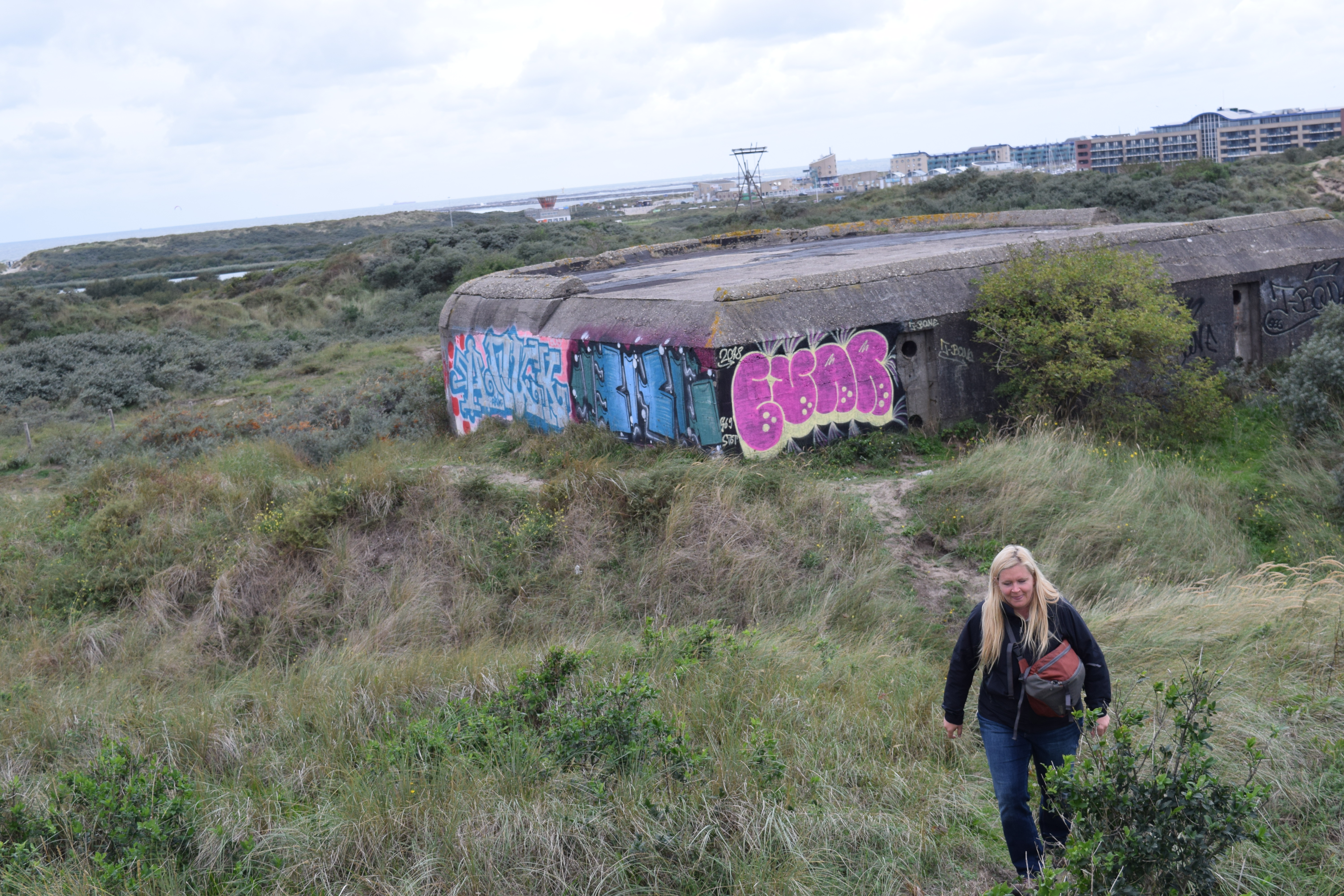
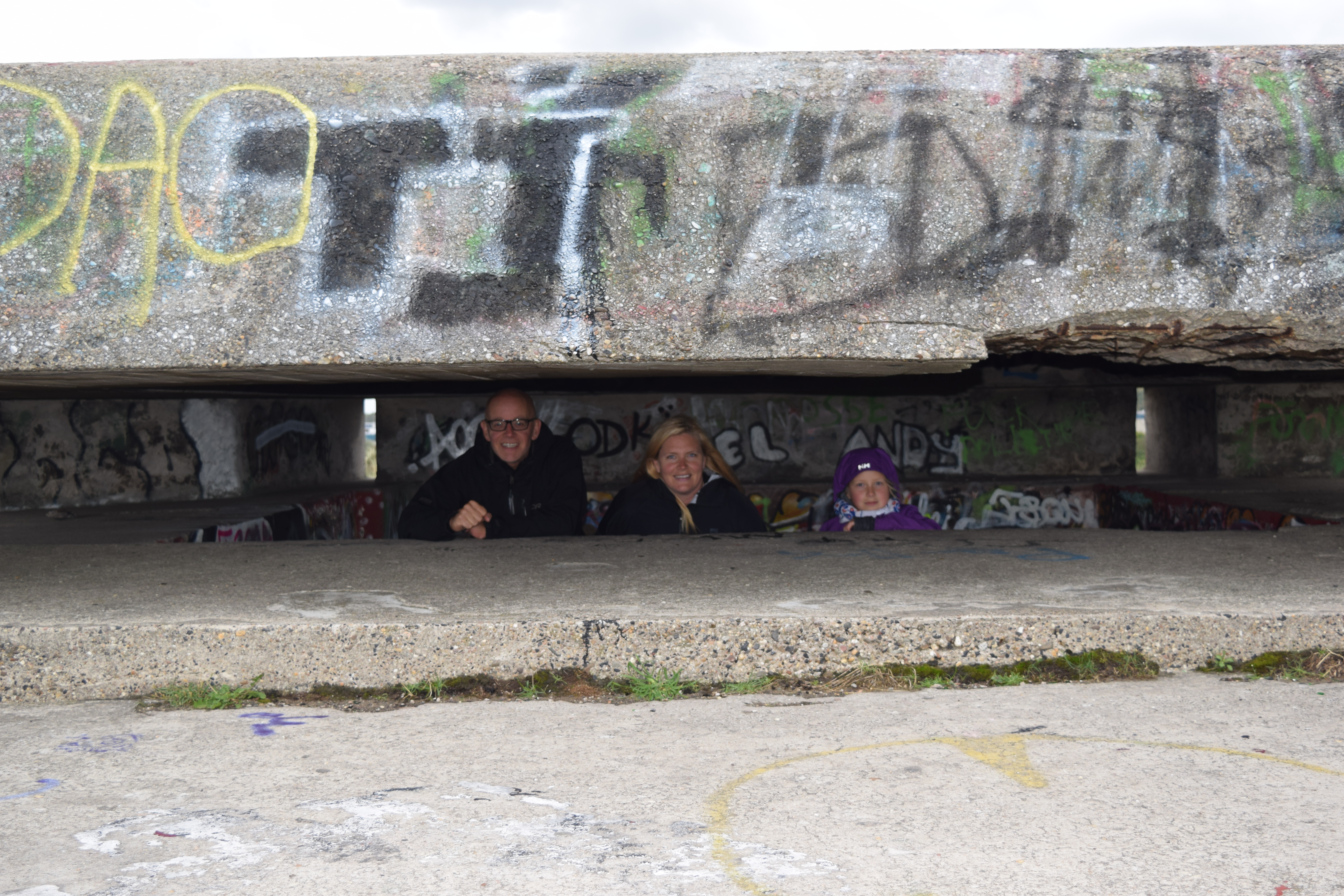
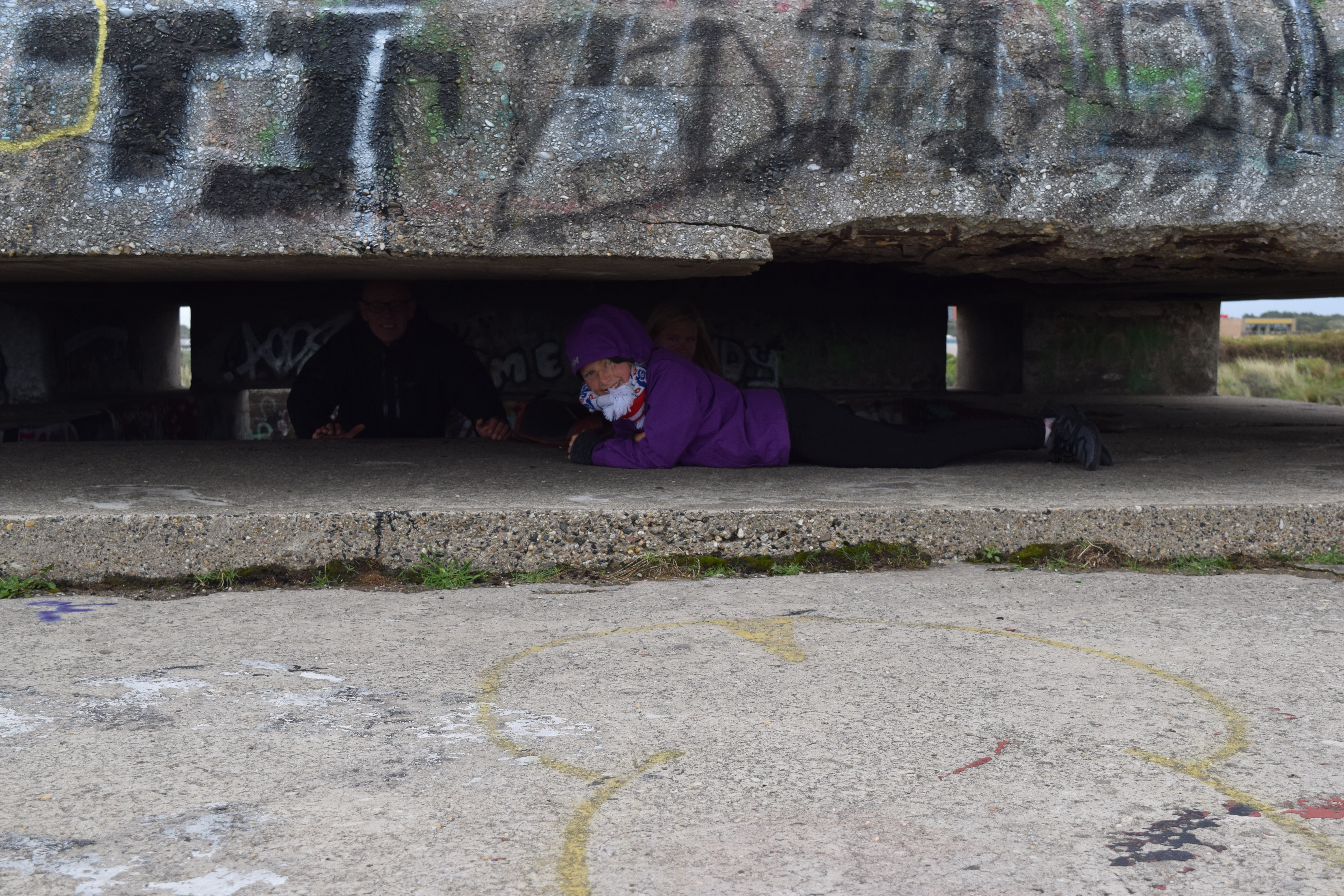
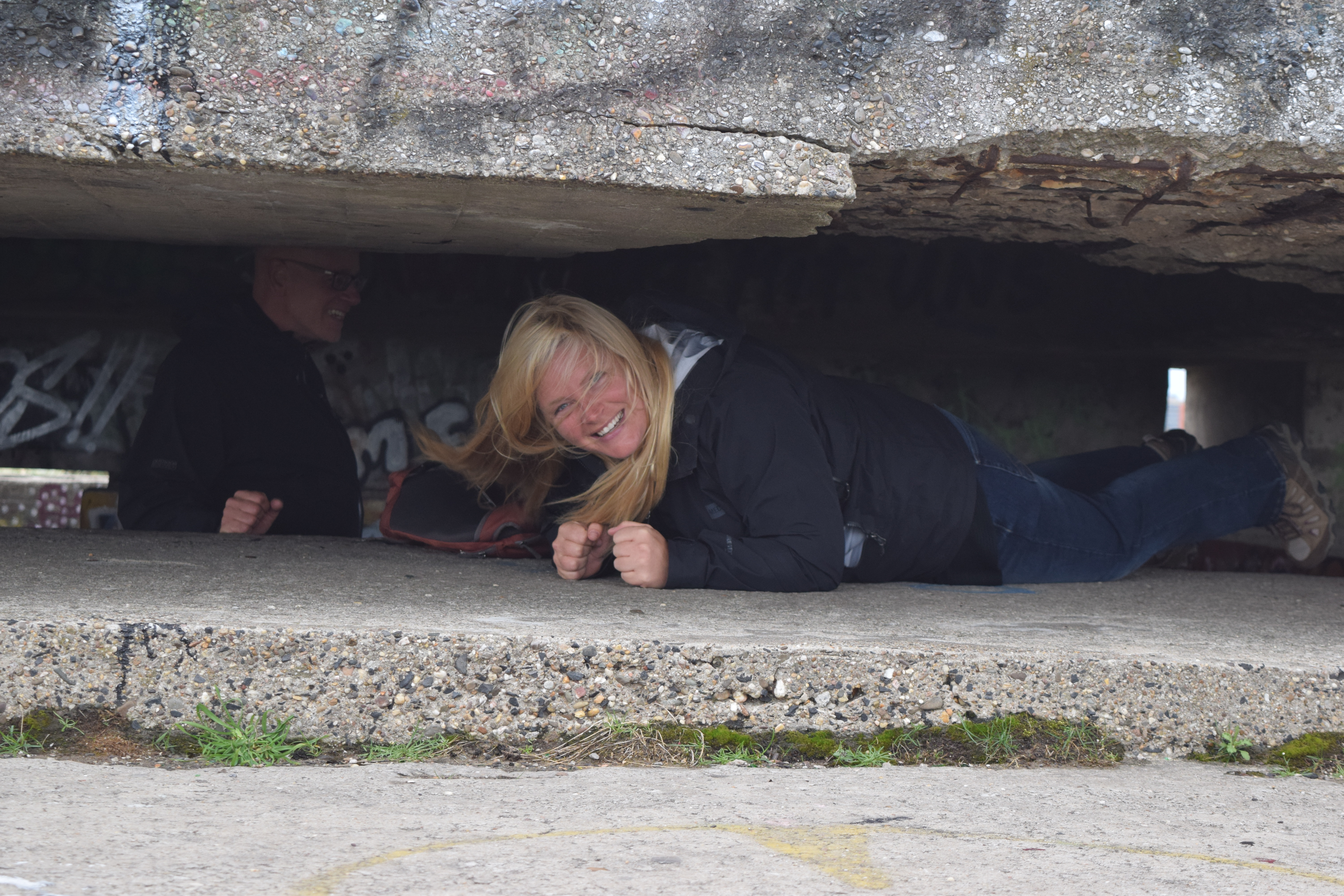
A visit to anywhere wouldn’t be complete without some bunker hunting. Not only did we find one, we found a whole complex. Located in the town of Ijmuiden, on the coast, this complex was part of the German Heerenduin battery. There are four emplacements and a fire control bunker as well as dozens of other structures. All of this was part of the Atlantic Wall. Everything was in great condition and we were able to get inside many of the structures.

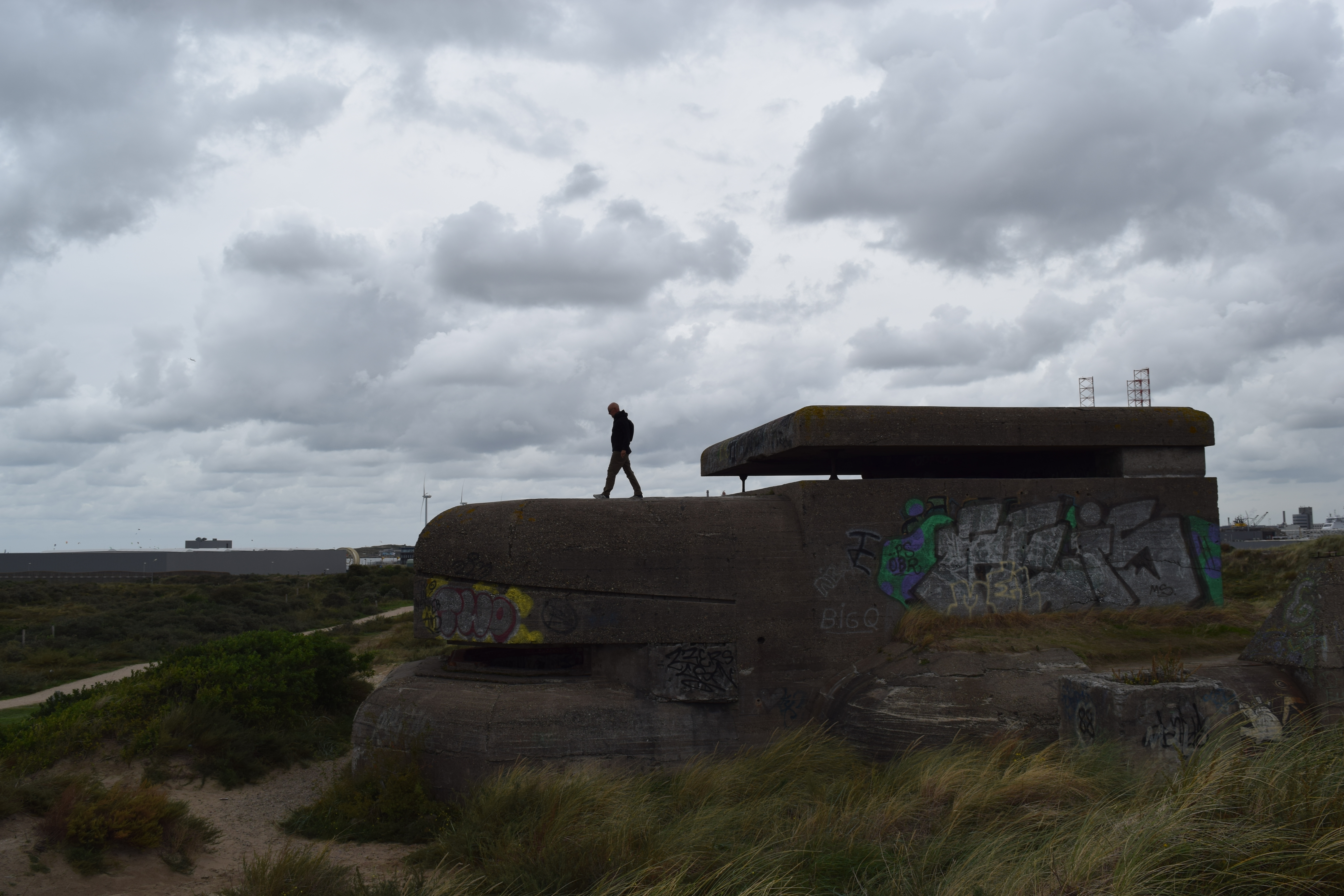
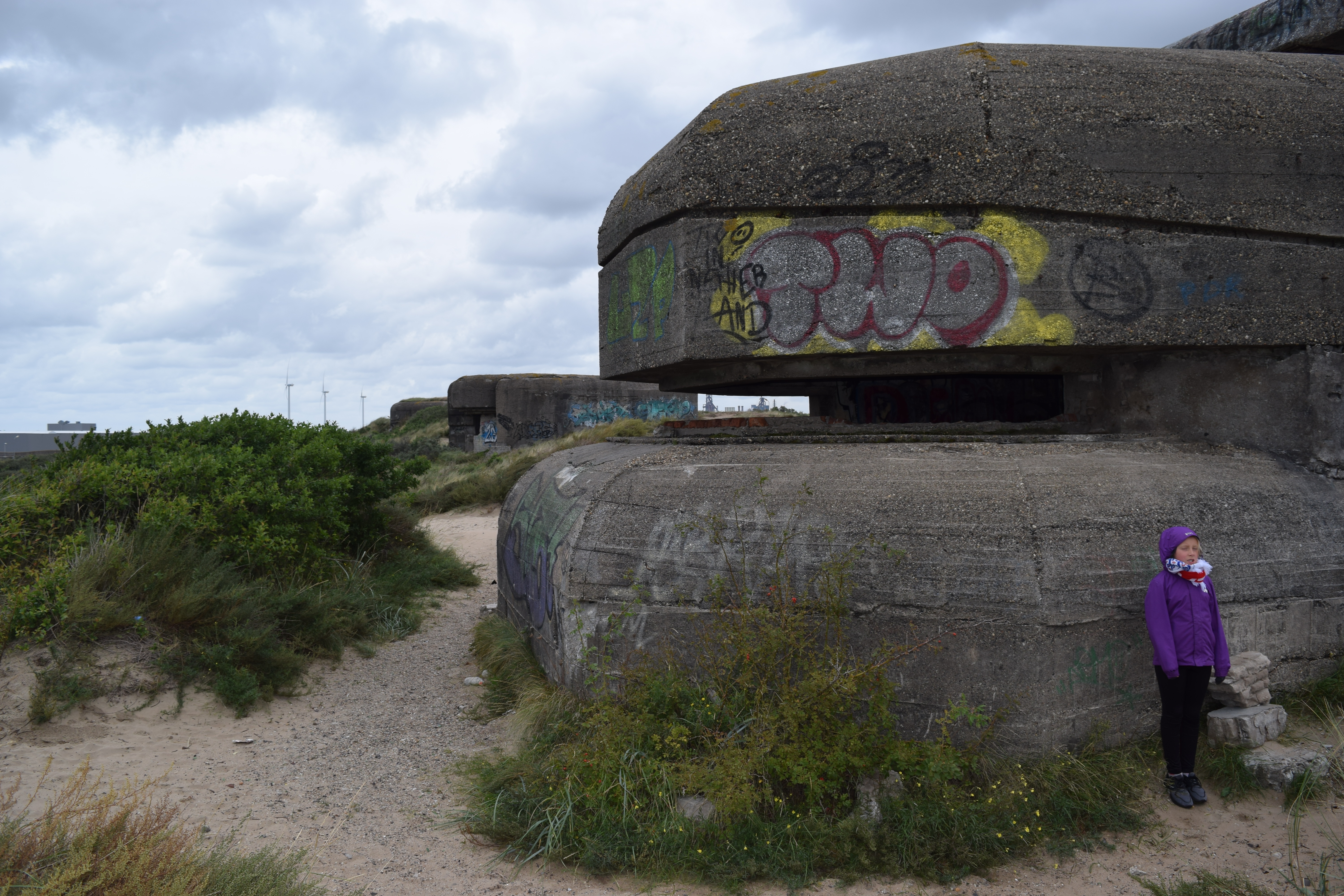
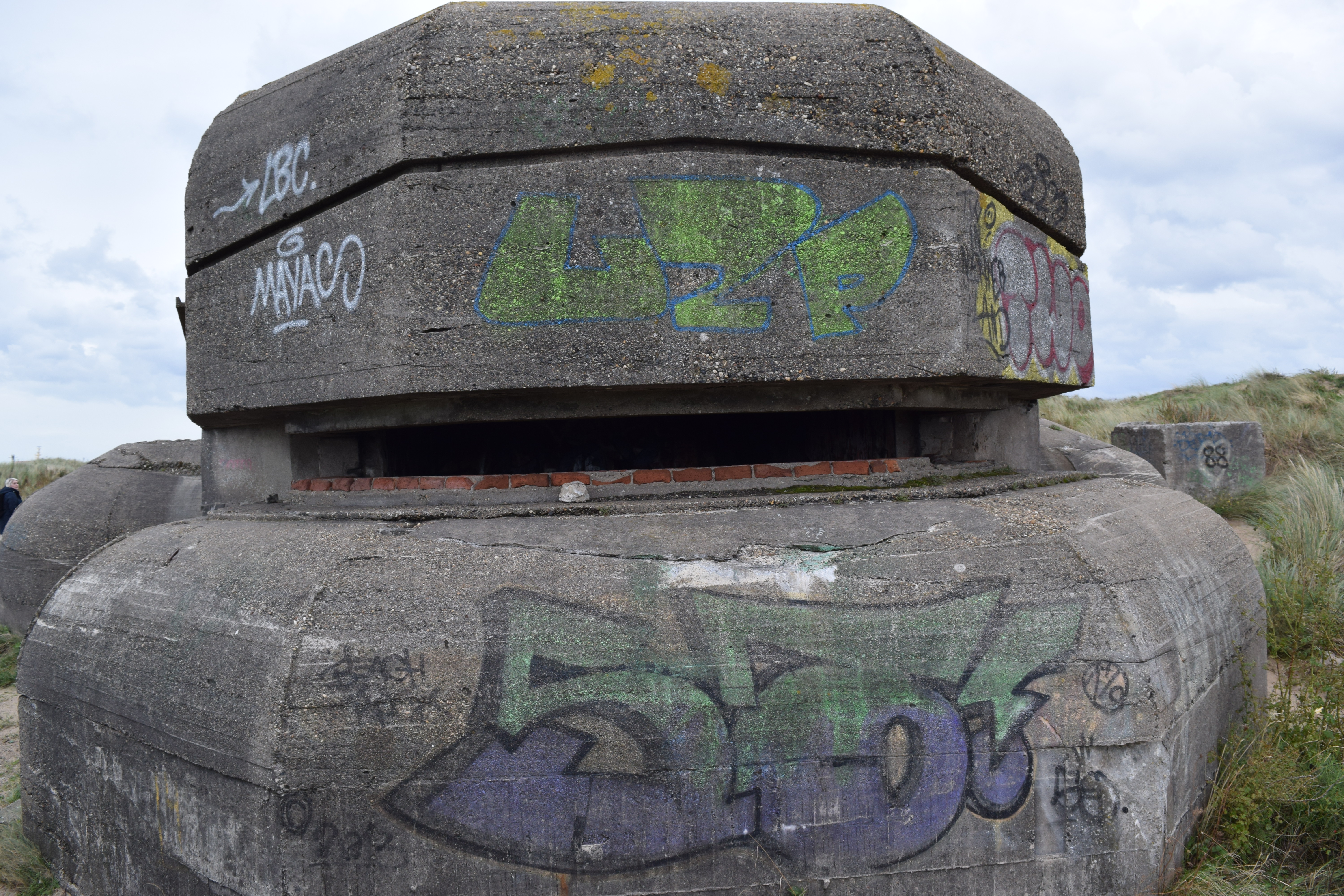
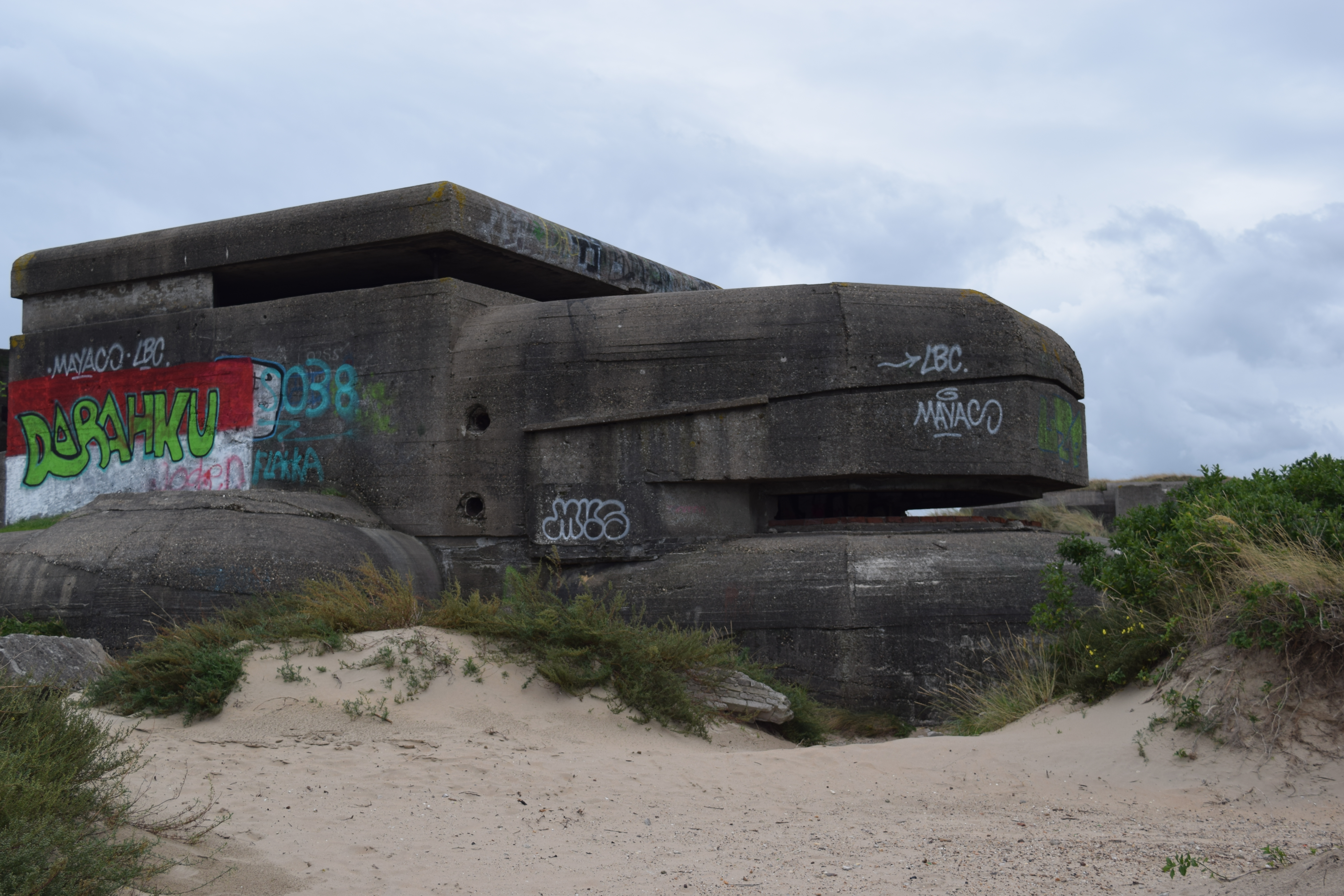

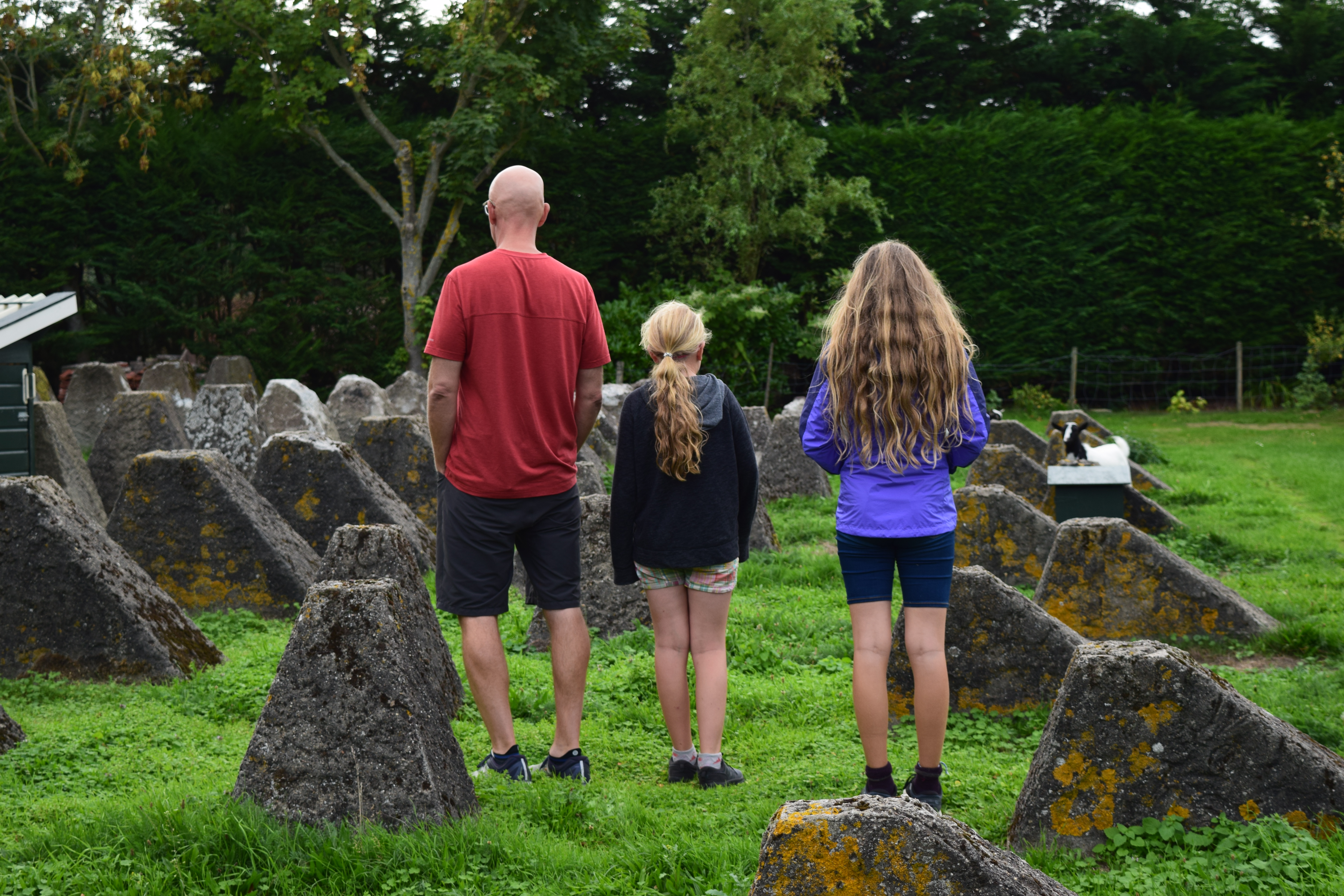
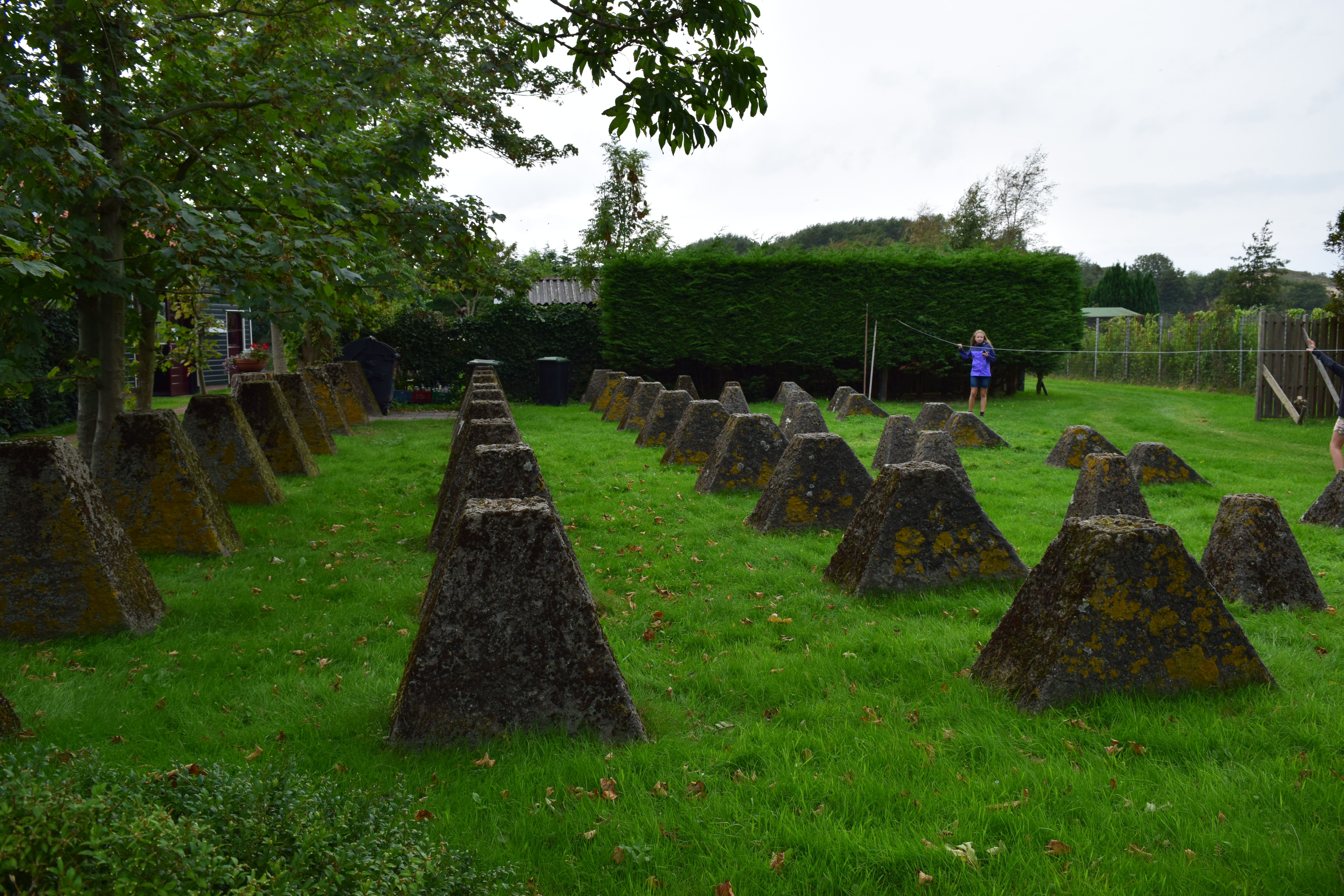
We also searched out and found some “Dragon’s Teeth”. These are a series of large concrete posts, in rows, sticking out of the ground. The German’s built them (actually they had the Dutch people build them) to stop Allied tanks. We found them in a lot beside some homes in an area that was being used as a campground. It was strange seeing these “teeth” with people camped all around.
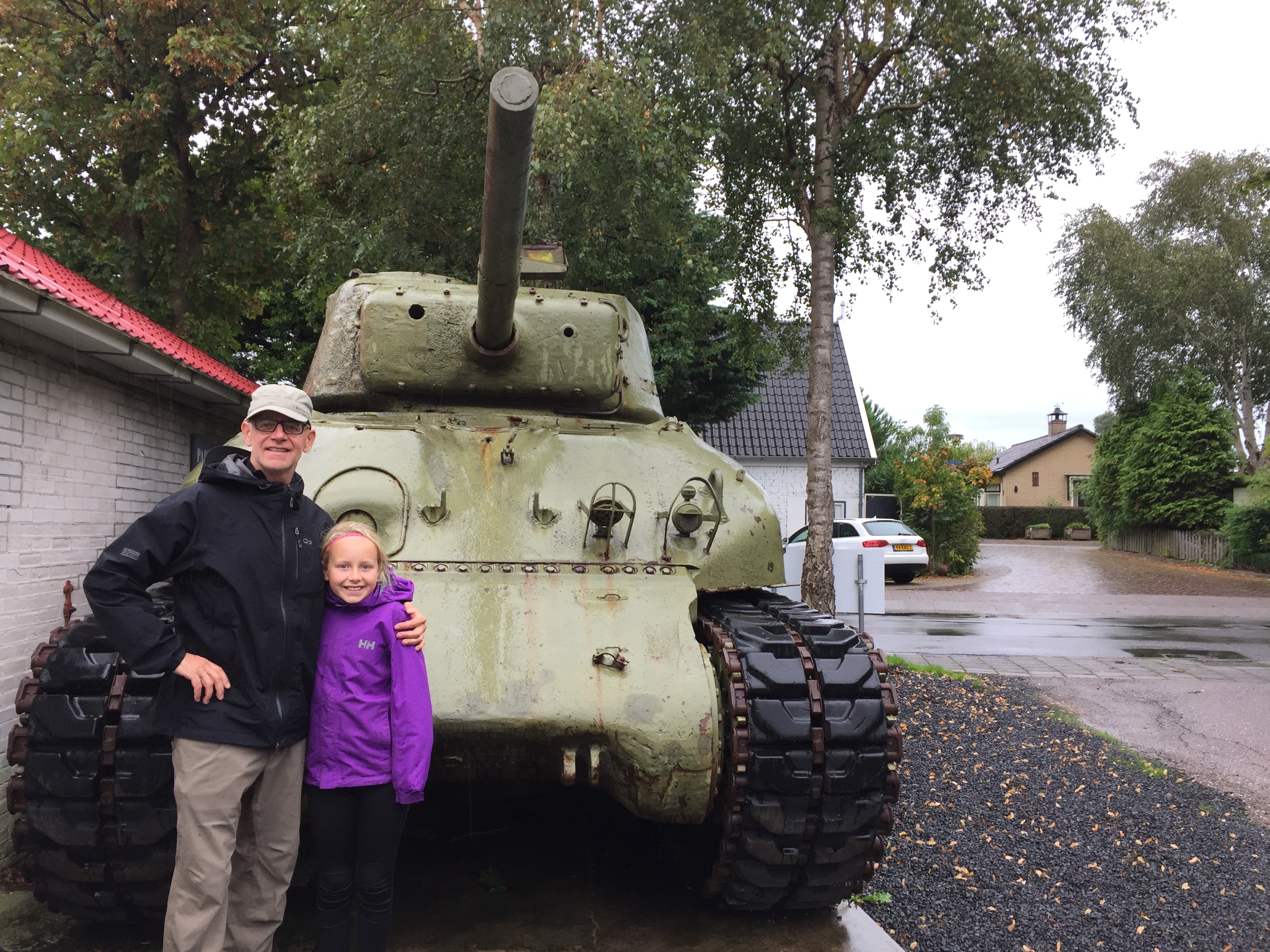
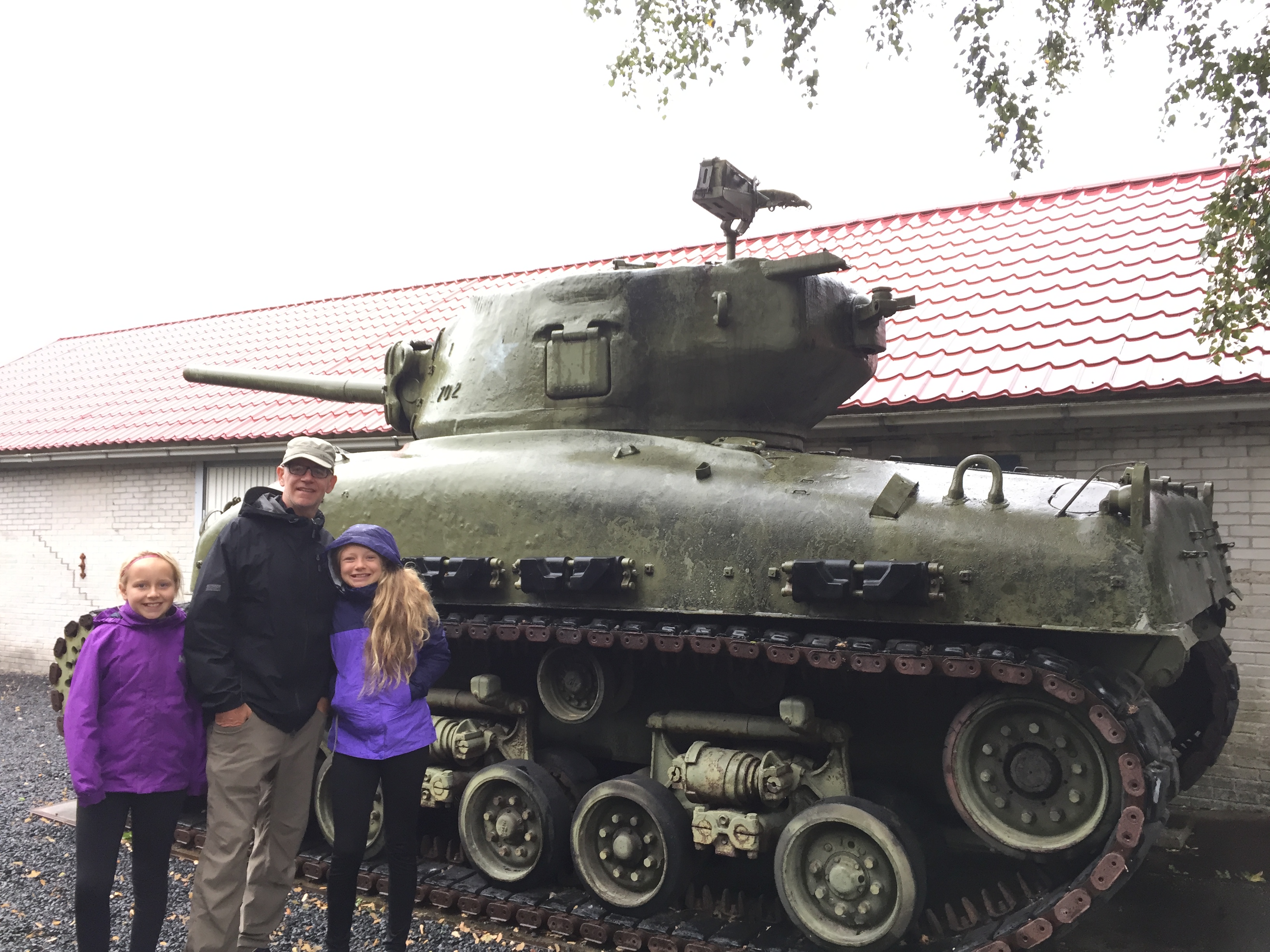
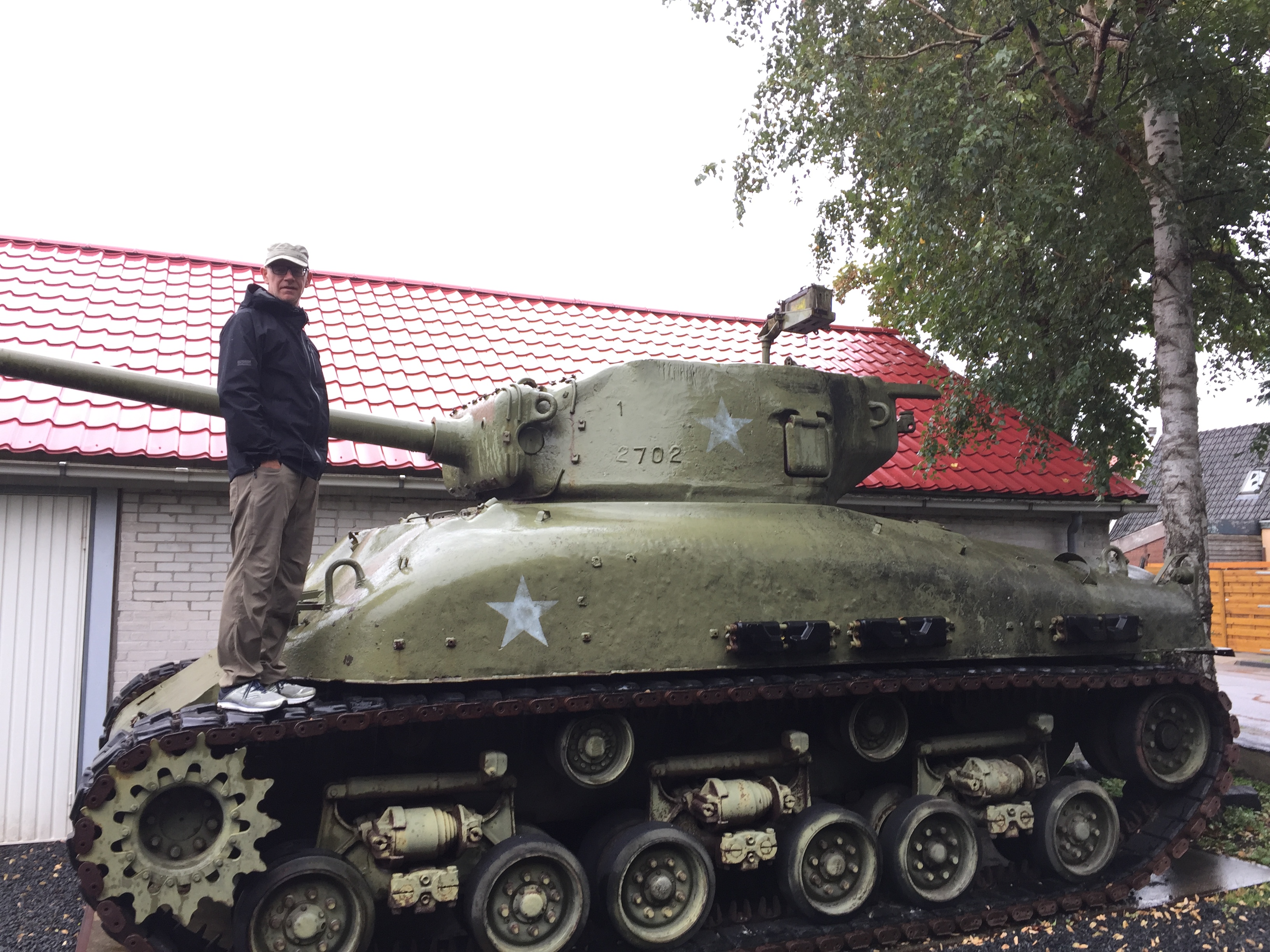
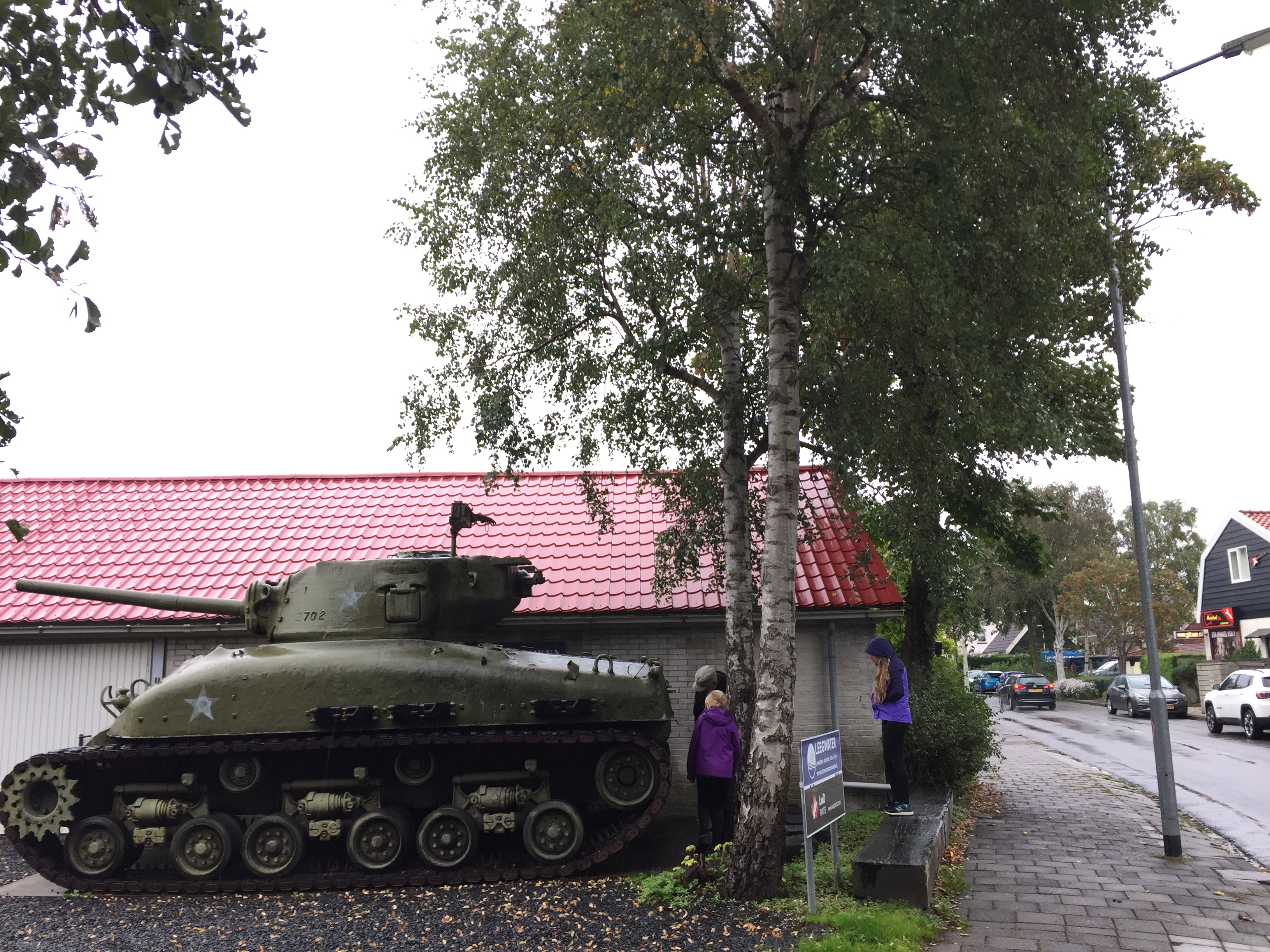
One other WW2 related site that Mark found near Alkmaar using “Traces of War” was a ?Sherman tank, the same kind his dad drove in the war. It’s literally right beside the street in the drive way of a business. It’s privately owned and still in working condition.
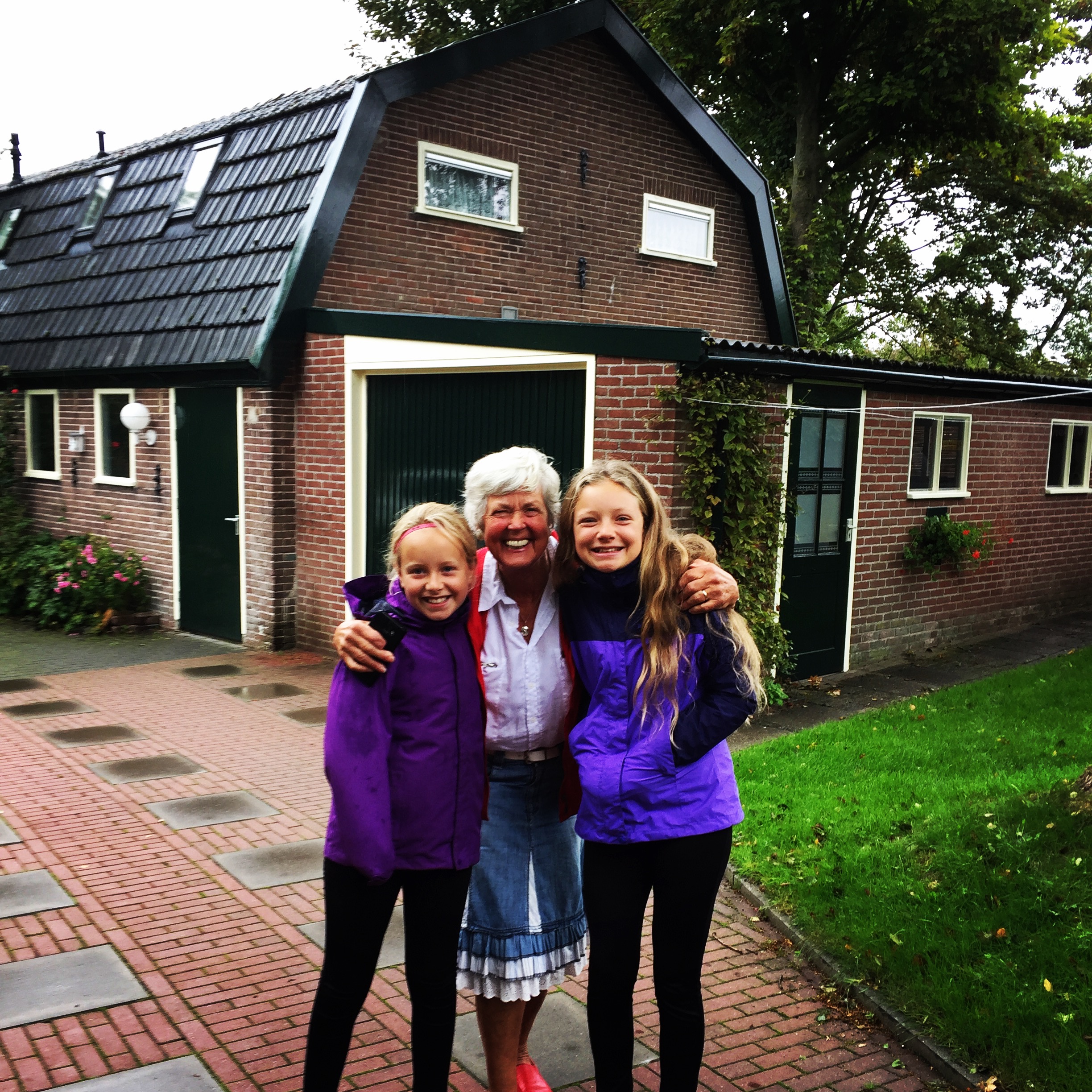
Sita was/is the sweetest lady and such help to us. Our last few places didn’t have a washing machine so our dirty clothes were starting to pile up. I asked Sita where to find a laundromat, she didn’t tell me, instead she took our laundry and did it for us. You can’t imagine how grateful we were. Chats with her and her caring nature made this a very special place to us. Our time in this part of Holland seemed to pass too quickly. The day we said goodbye to Sita and Jack was rainy and cold which reflected our feelings about leaving their place.
AMSTERDAM
When we first arrived in the Alkmaar region our original plan was to do a day trip into Amsterdam from Alkmaar. Our Amsterdam visit completely revolved around when we could get tickets to the Anne Frank House. The tickets go on sale 2 months ahead of whatever particular date you want at 9am and usually sell out really fast. Back in June we had no idea when we’d be in Amsterdam so it was impossible for us to buy tickets that far ahead. Luckily they hold back 20% of the tickets and release them in blocks over the two weeks. But, the two dates I wanted (during our Alkmaar time frame) were sold out, so I bought tickets for the following Monday at 6:30pm (I’m glad it worked out this way because we were able to fit in everything we wanted, plus some of Sita’s suggestions during our time there). We were staying in Henderloo (near Arnhem) in central Netherlands by then, but the distances aren’t that great, so driving 80km to Ansterdam wasn’t a big deal.
Eric had advised us to park at a special lot and take the Metro into the city. Overall it cost us $7.50 Euros in total for the four of us to park and get a return ride to the centre by train (yay for maybe hitting the $200/day budget). We got dropped off at the Central Station and headed along our very carefully planned walking route (avoiding the Red Light District) to the flower market in the centre of town. We almost managed to make it without passing a famous red light window. Mark and I both spotted a scantily clad, busty woman at the last minute and started pointing out the beautiful boat on the canal in the other direction. Phew, crisis averted.
On our way to the flower market we stopped at a few used bookstores that sold English books. Mark has got the girls hooked on TinTin and Astrix comic books, so we always hunt for them when we come across a store, we found one that day!! Molly has a Kobo and Grace has taken over mine (we can sign out eBooks from the North Bay Library from anywhere!!) so I’m always looking for cheap used books for myself to read and leave behind. It’s a good day when we can find a bookstore that sells English books.
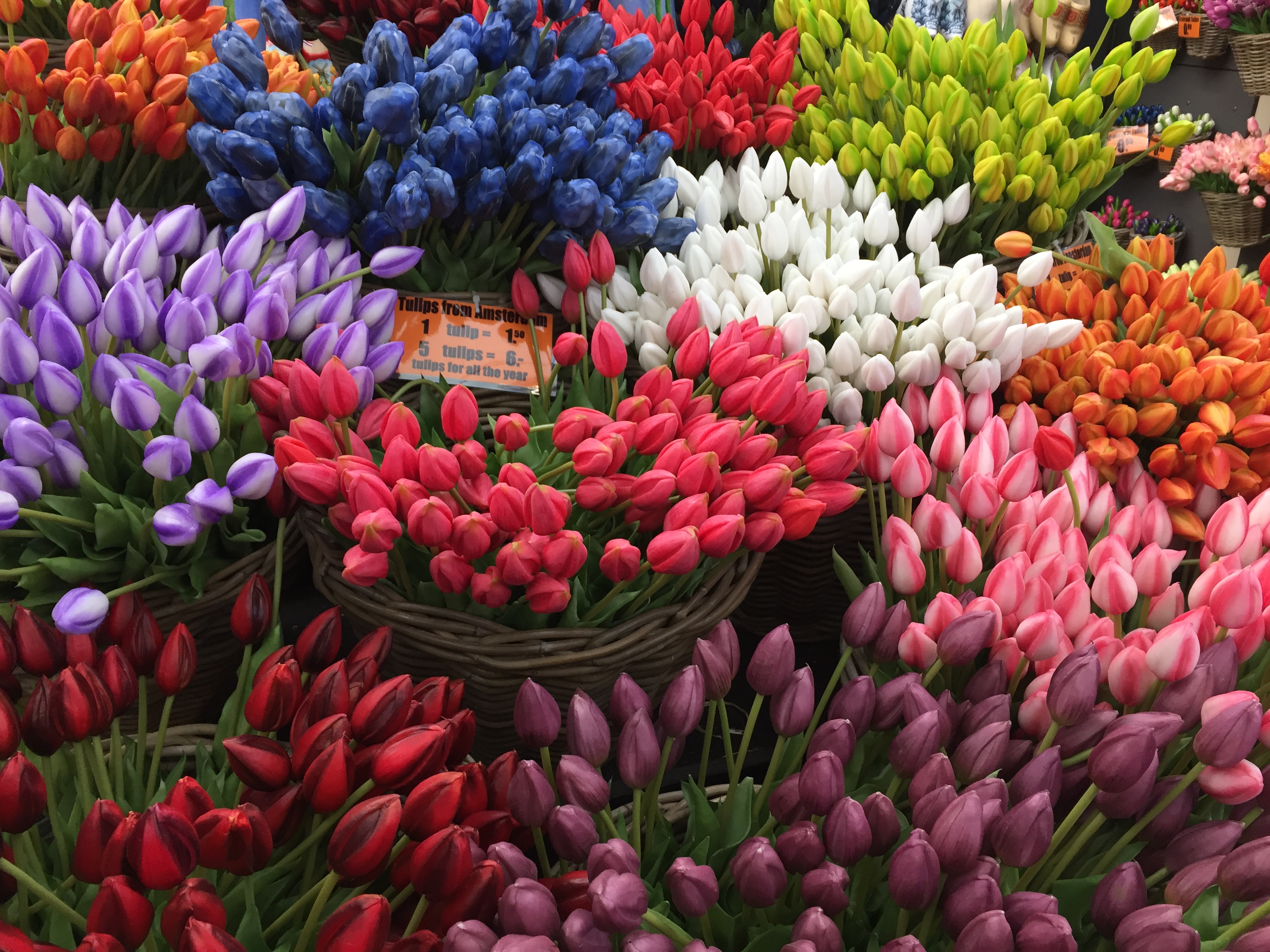
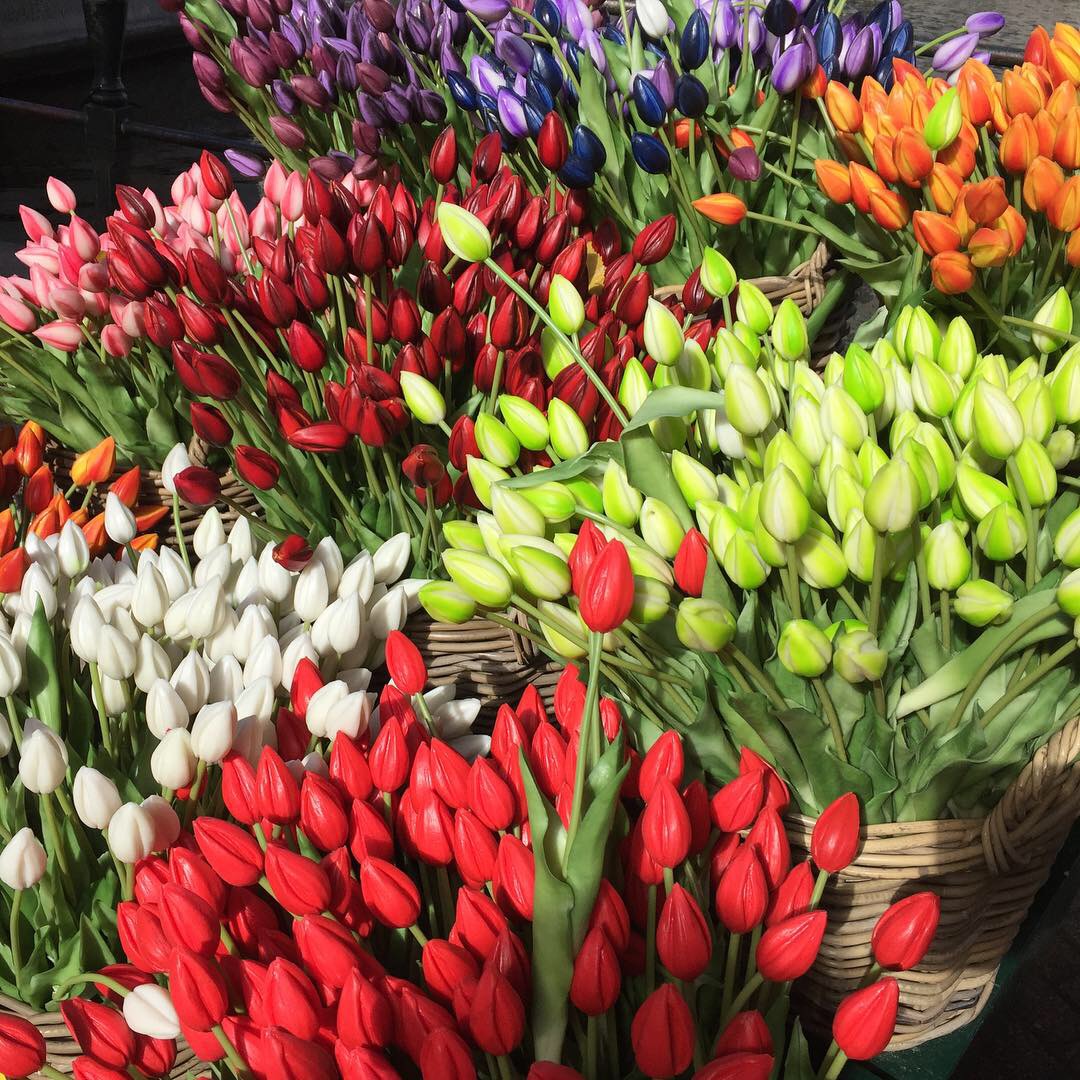
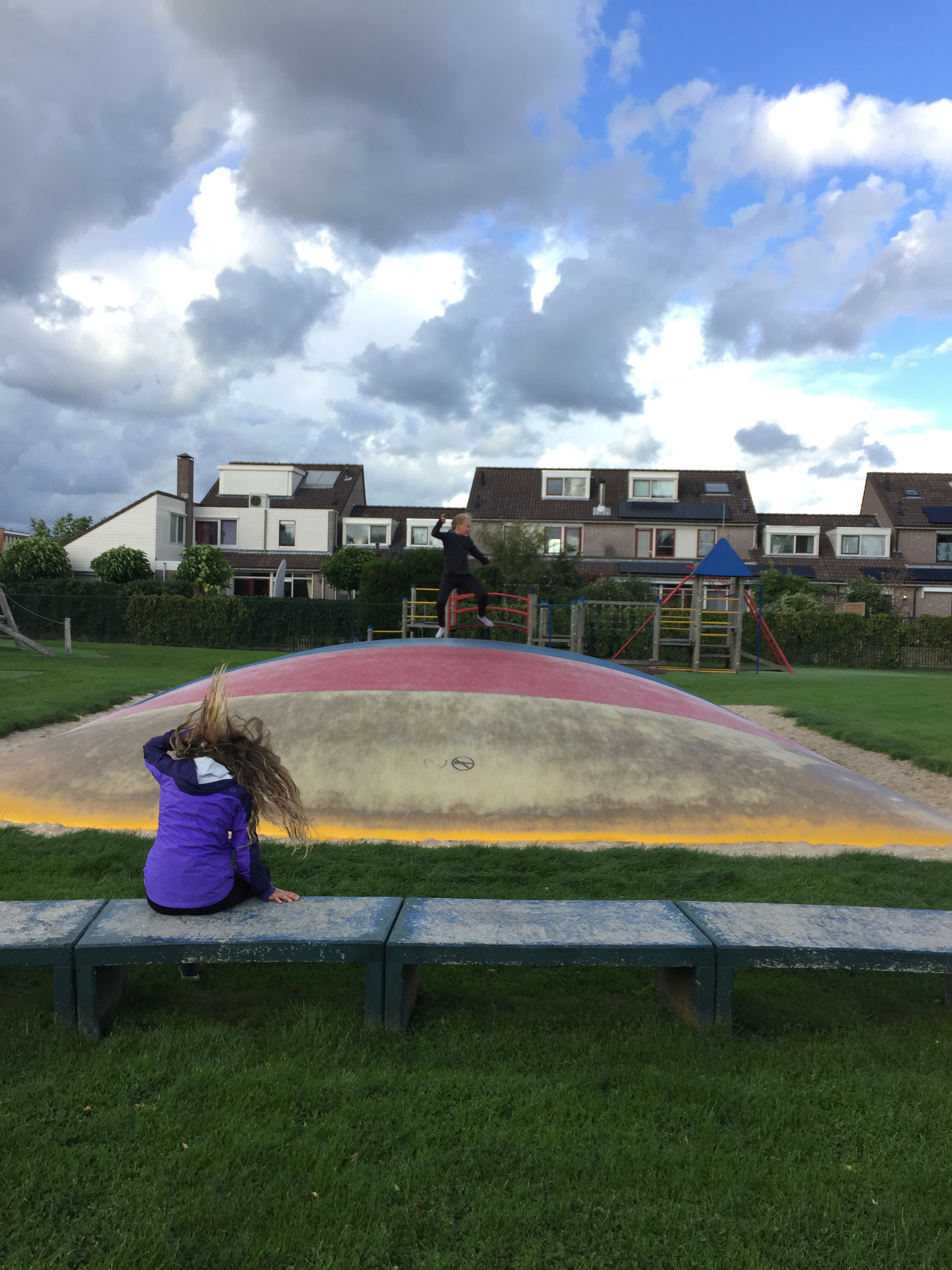
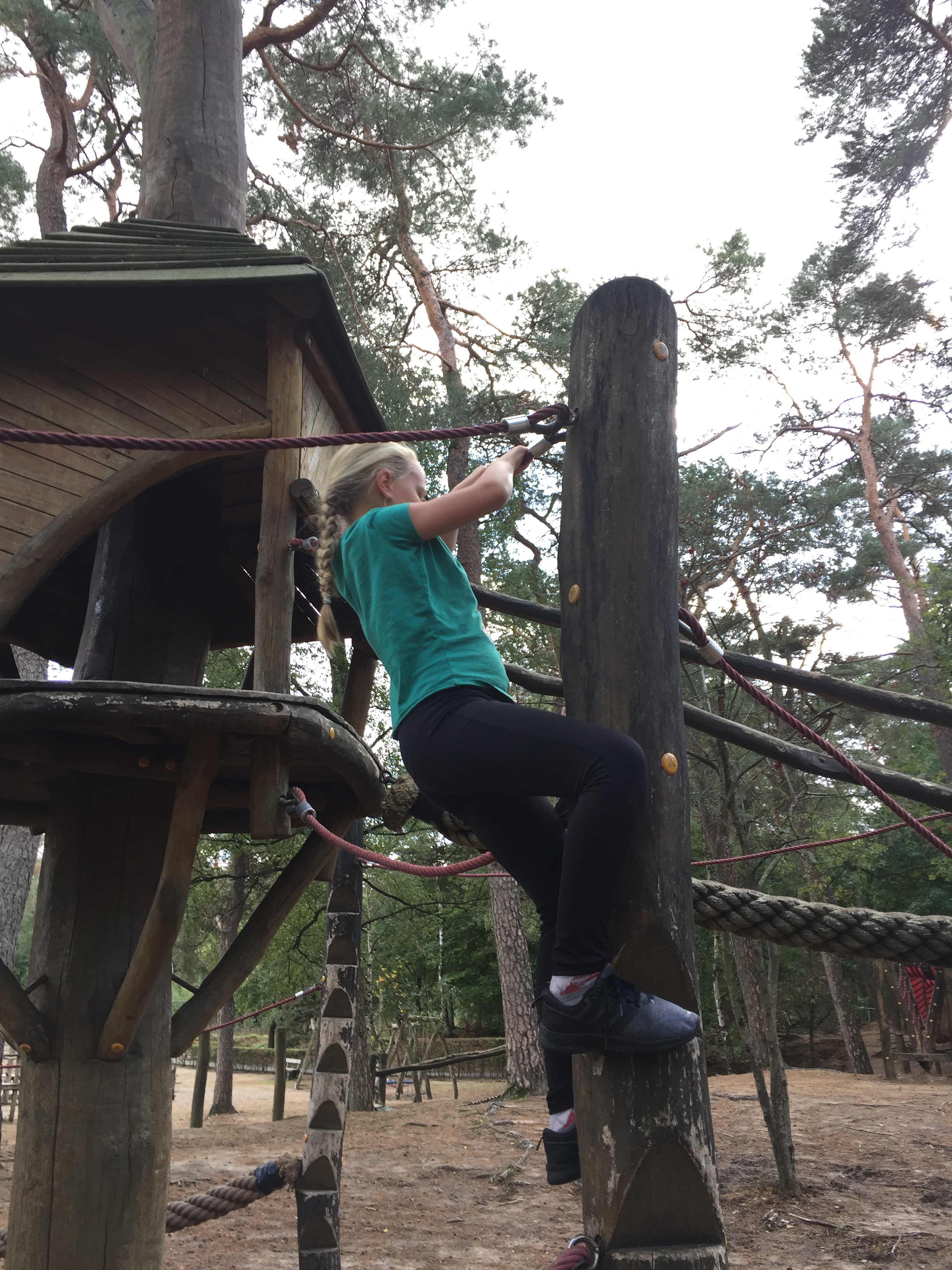
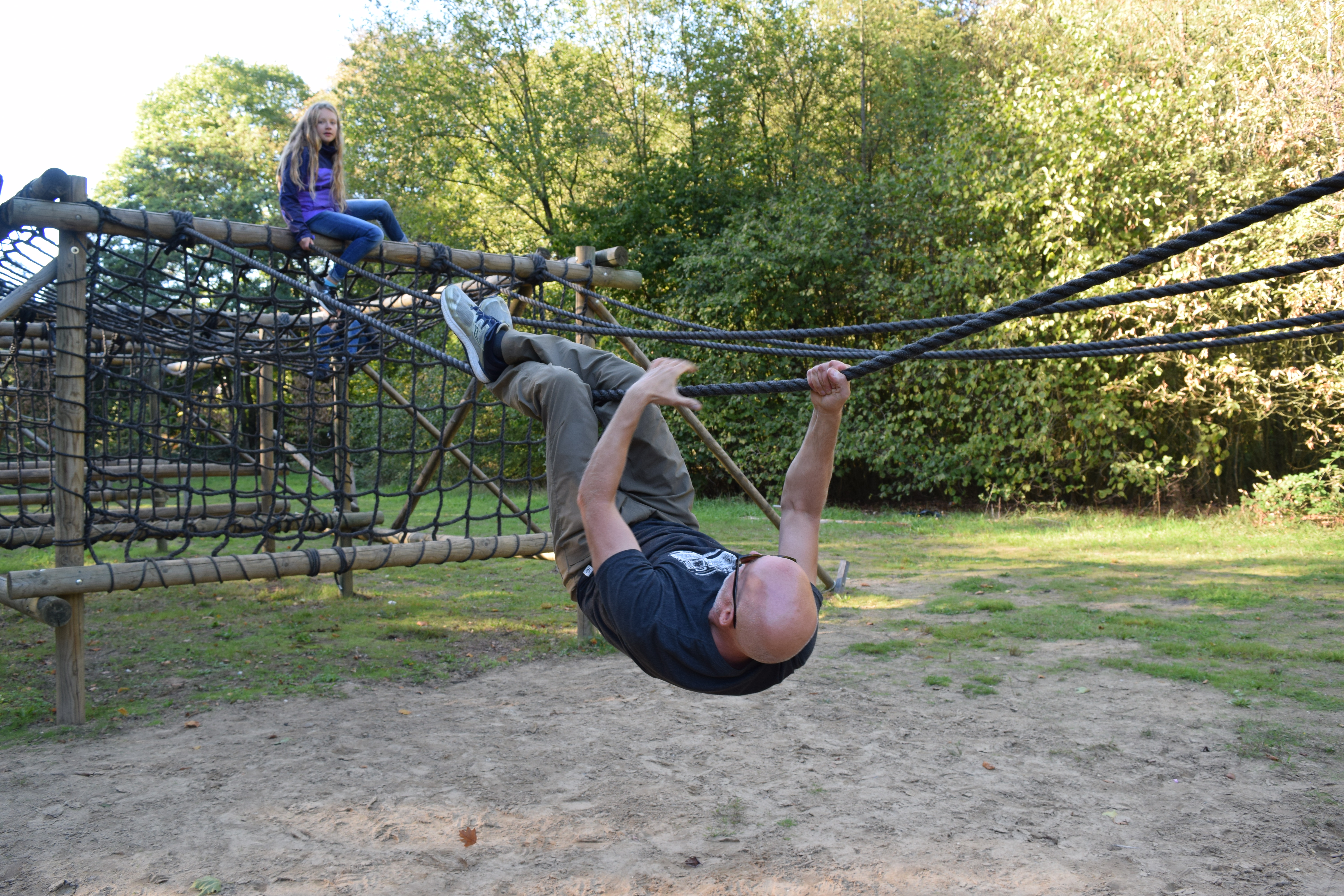
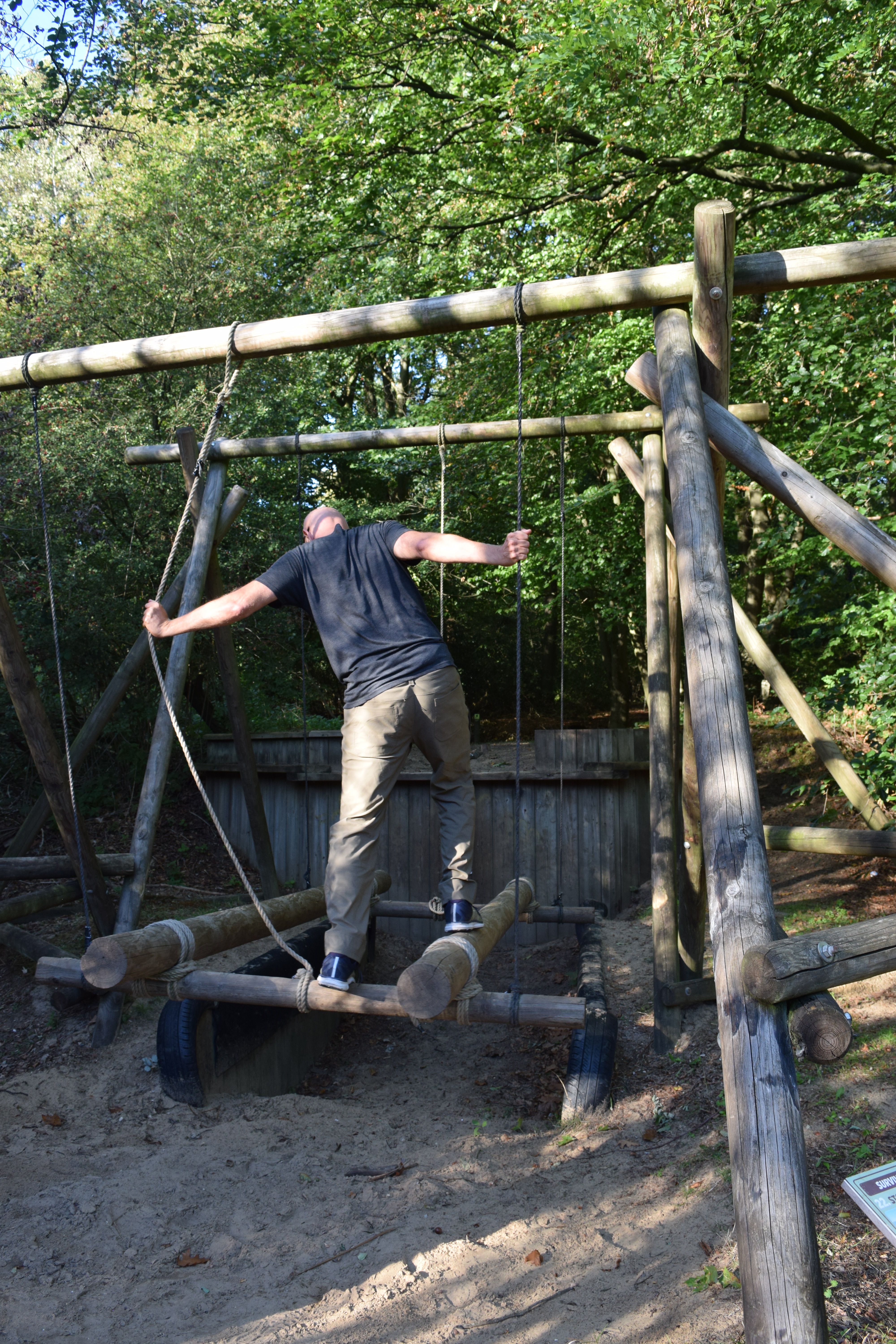
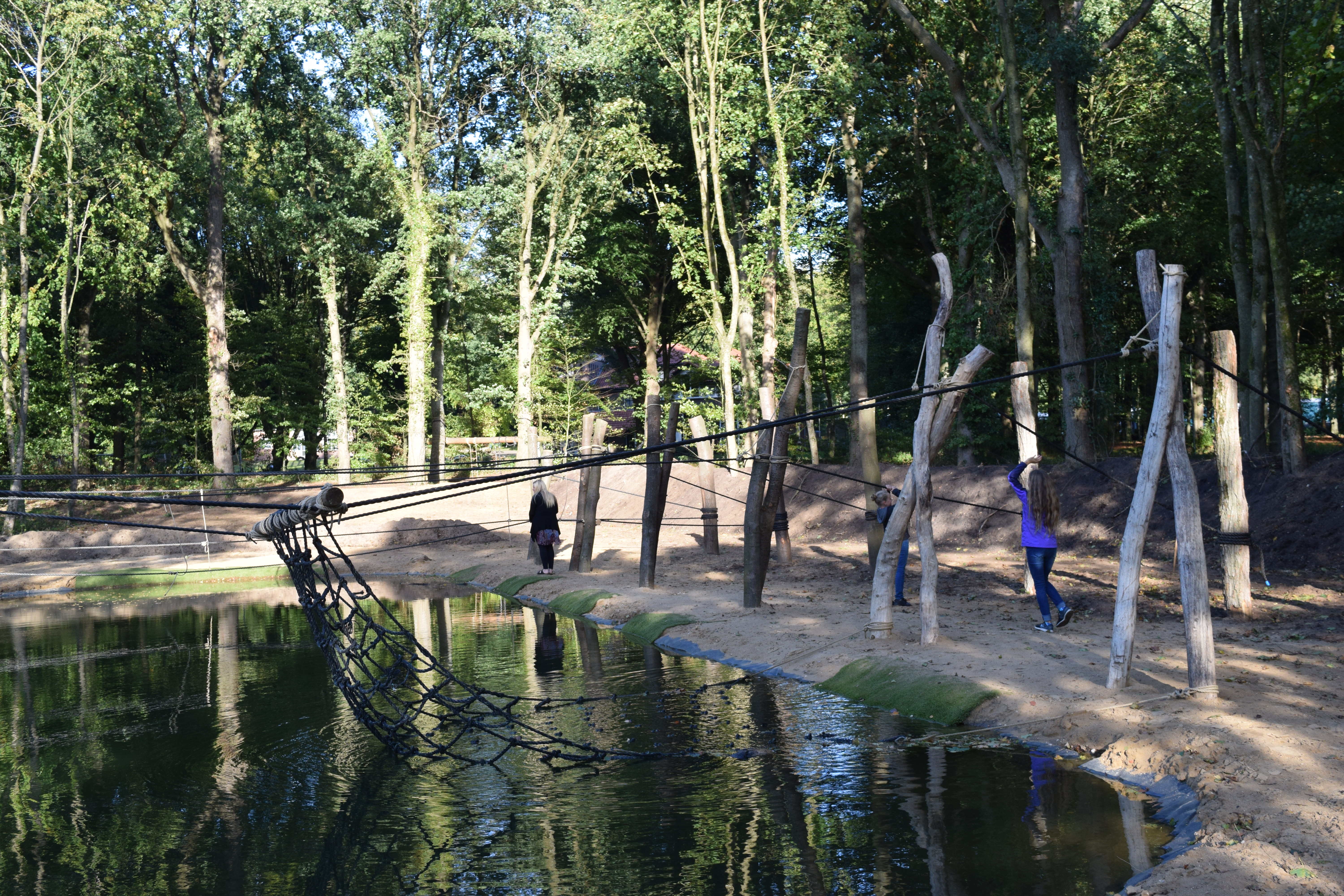
After the flower market, we headed for Vondelpark (the Central Park of Amsterdam). It had a neat wooden climbing structure with rope bridges and tree house type buildings and it was REALLY high up. We’ve noticed that the playgrounds here have so many things we’d never see in Canada because they are “too dangerous”. The girls love the playgrounds here. We could probably spend days just finding different ones and they’d be happy.
At the Anne Frank House we chose the ticket that included a 30 minute introductory session before entering the house. Molly has read Anne Frank’s diary, but Grace hadn’t and we wanted to be sure the girls understood exactly what we were about to see. The young lady who lead the session did a great job explaining how the Nazi’s came to power and the progression of the actions against the Jewish people. She also explained why and how the Frank’s came up with their plan to hide in the annex behind Mr. Frank’s business. After the session, we started the tour. No photos are allowed. The beginning has displays and an audio guide, but when you enter the actual area where they hid there is no audio and it’s very quiet. Otto Frank wanted it to be a place of remembering and that’s exactly what it feels like. There’s a spot on the wall where Anne’s mom recorded her children’s growth and the posters and photos that Anne glued to her bedroom wall to decorate are still there. We knew what happened and the outcome before going in, but none of us made it through without crying.
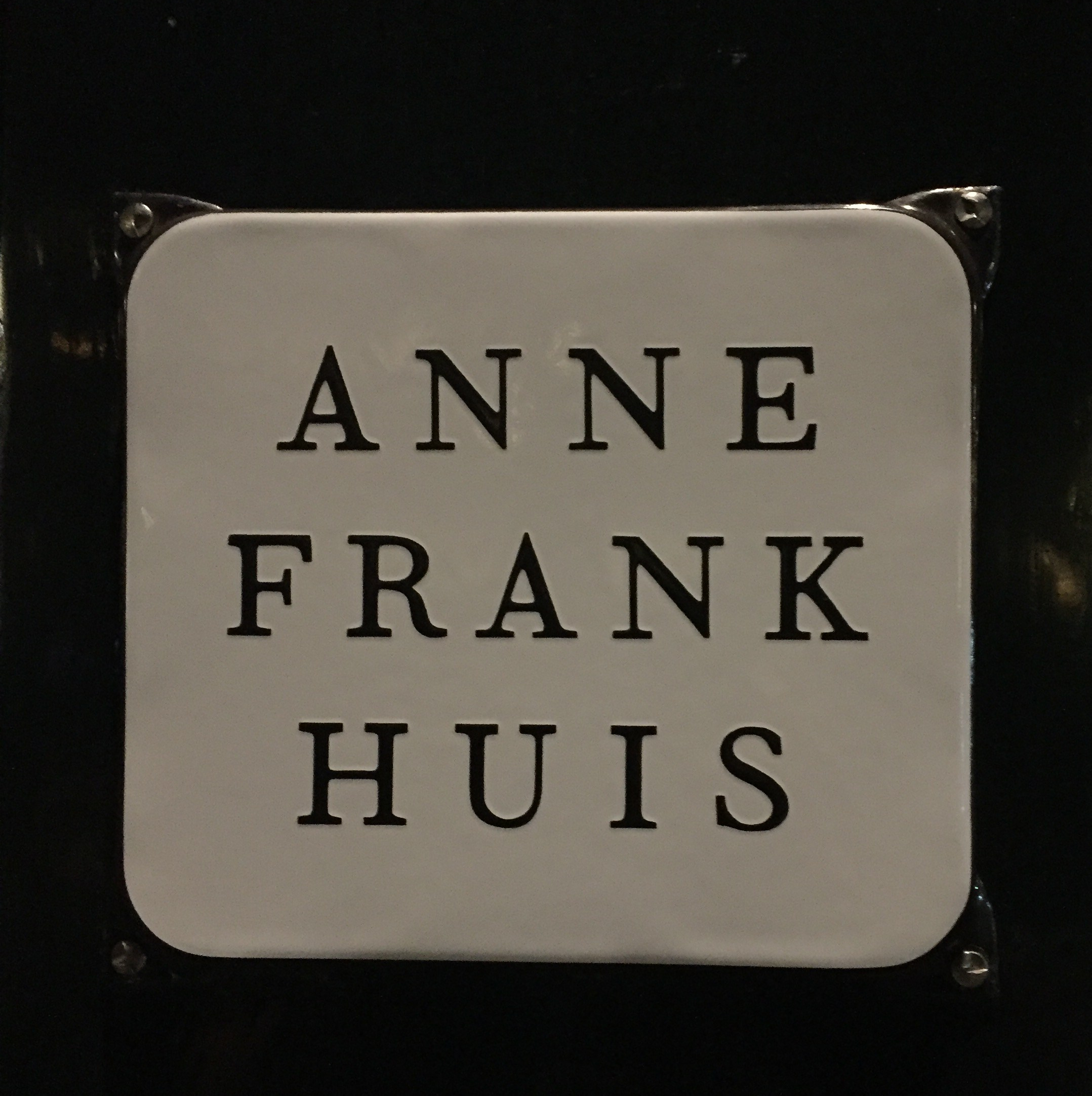
Strolling back to the train station in the dark gave us a new perspective on the city. The brides and the canal were lit up and there weren’t many people out and about. It was serene. We once again tried did our best to avoid the windows, but we weren’t so lucky this time. The red lights stand out at night, so they are hard to miss. The street we chose has no lights, but as we progressed we saw there was one below street level. Our distraction techniques weren’t successful. Molly got an eye full. She said “That woman should close her curtains at night.” LOL. We agreed and moved on.
ARNHEM
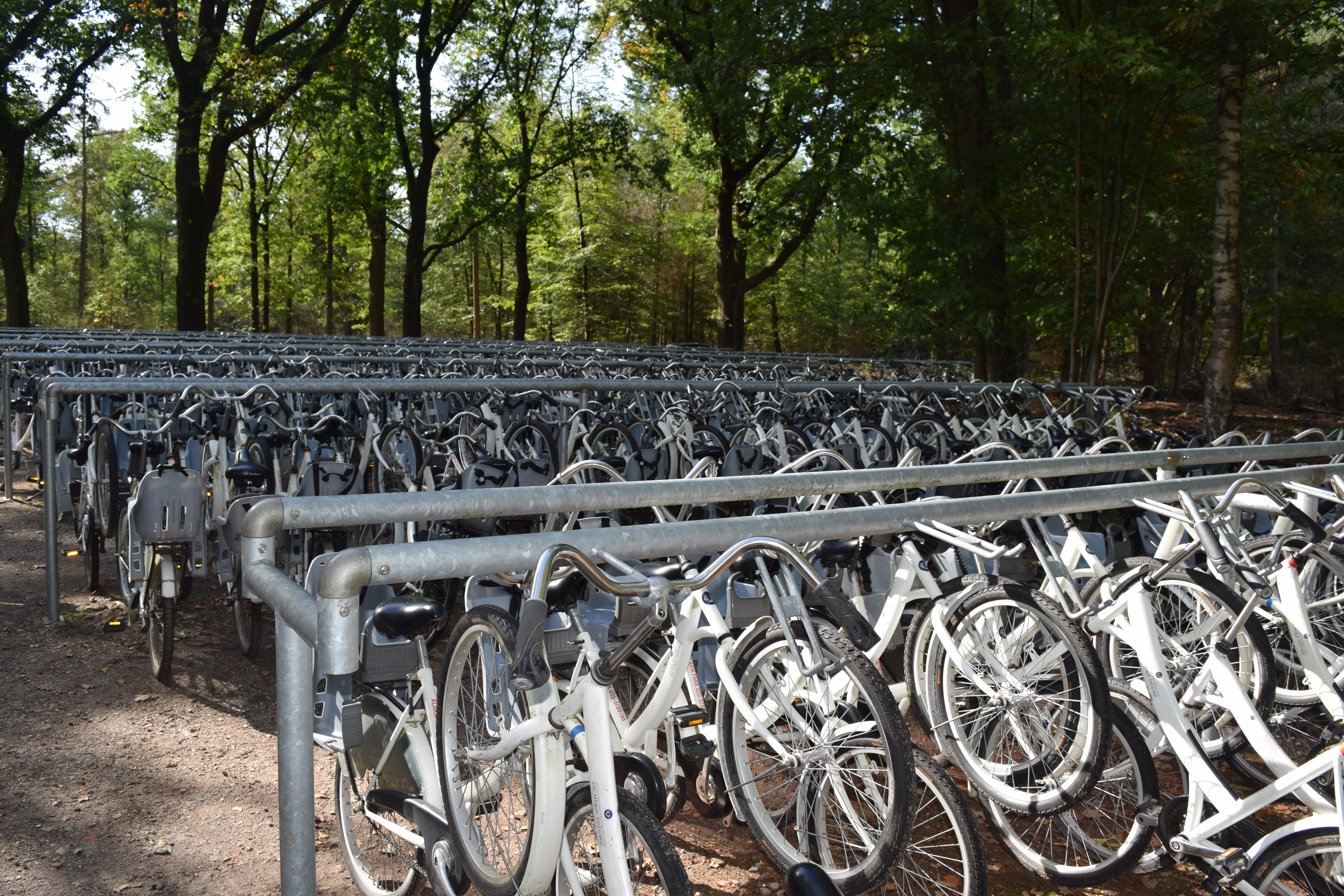
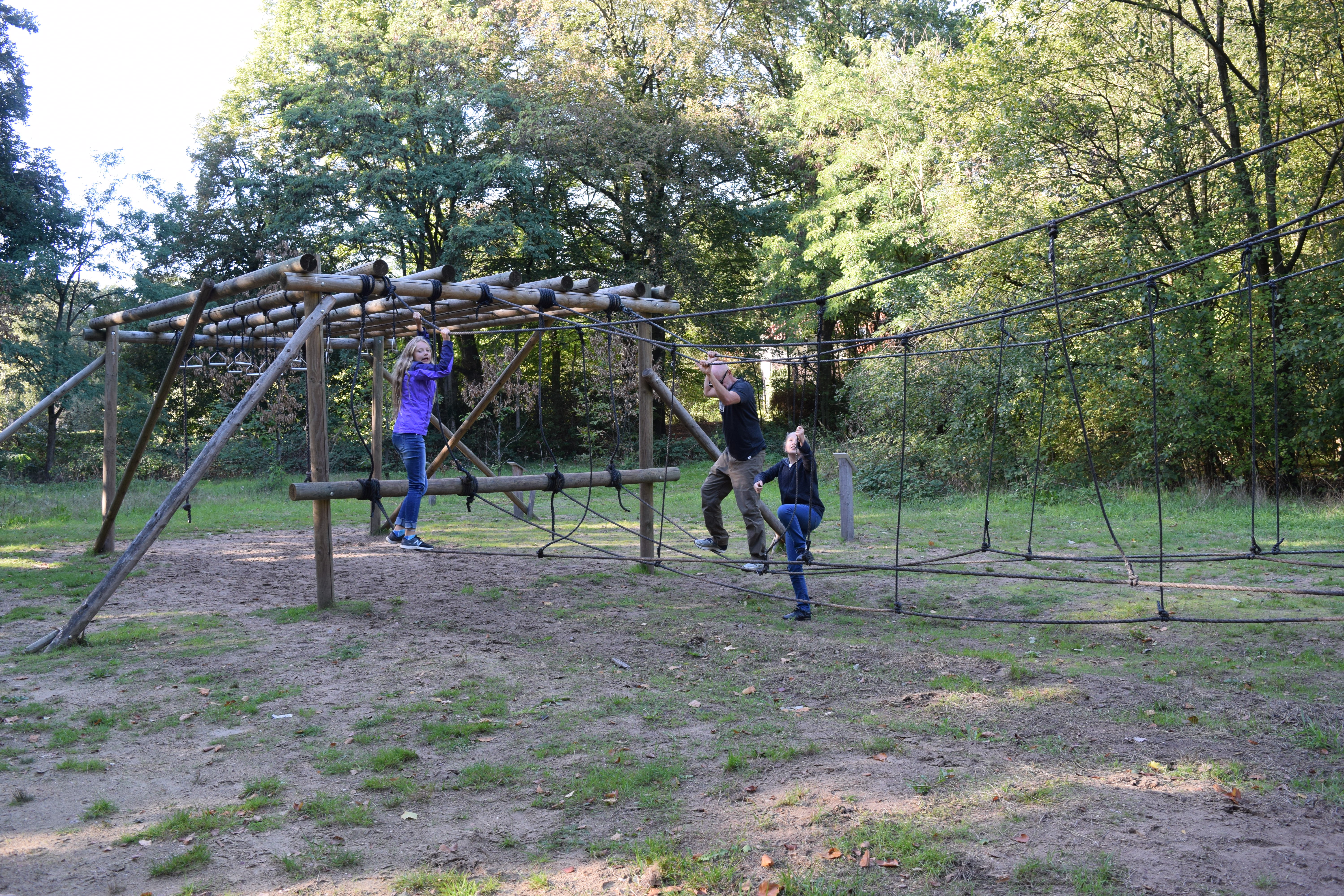
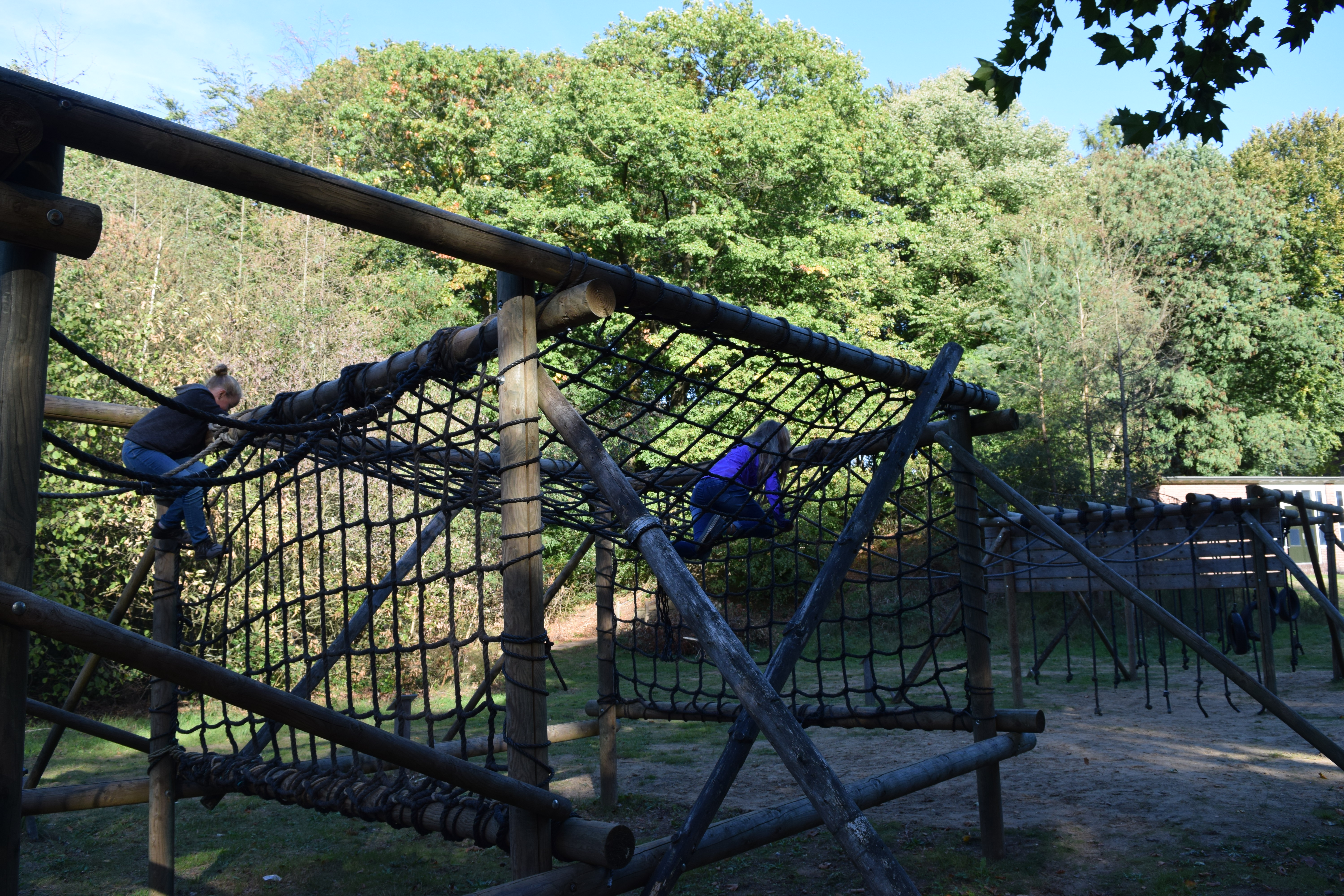
Our days in Arnhem consisted of biking in De Hoge Veluwe National Park (there Van Gogh museum in the middle of it that you can bike to). They have over 1800 bikes at the various entrances that people can use for free!! So we spent a day cruising around the park and stopping off for some sandwiches and some time on the ropes.
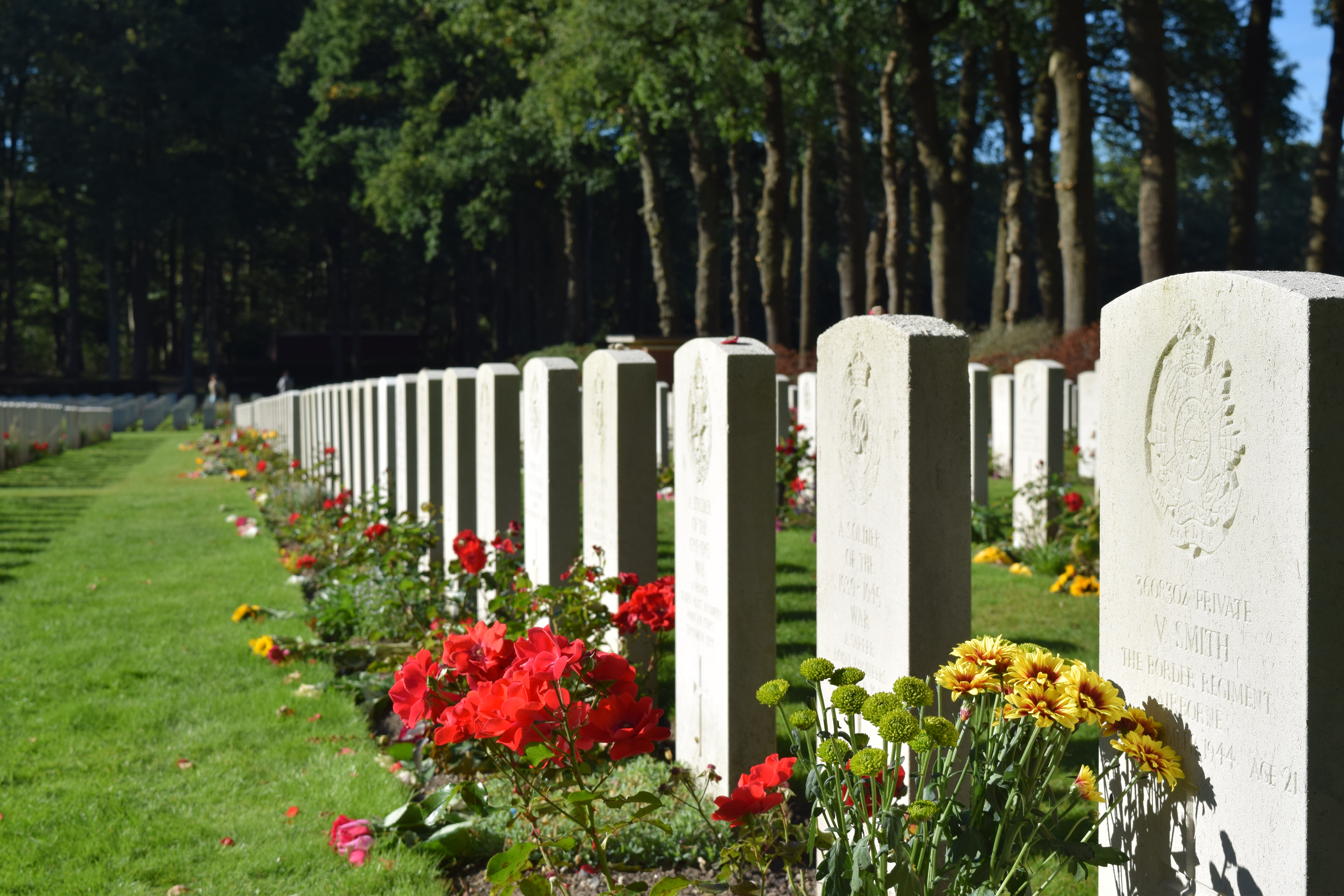
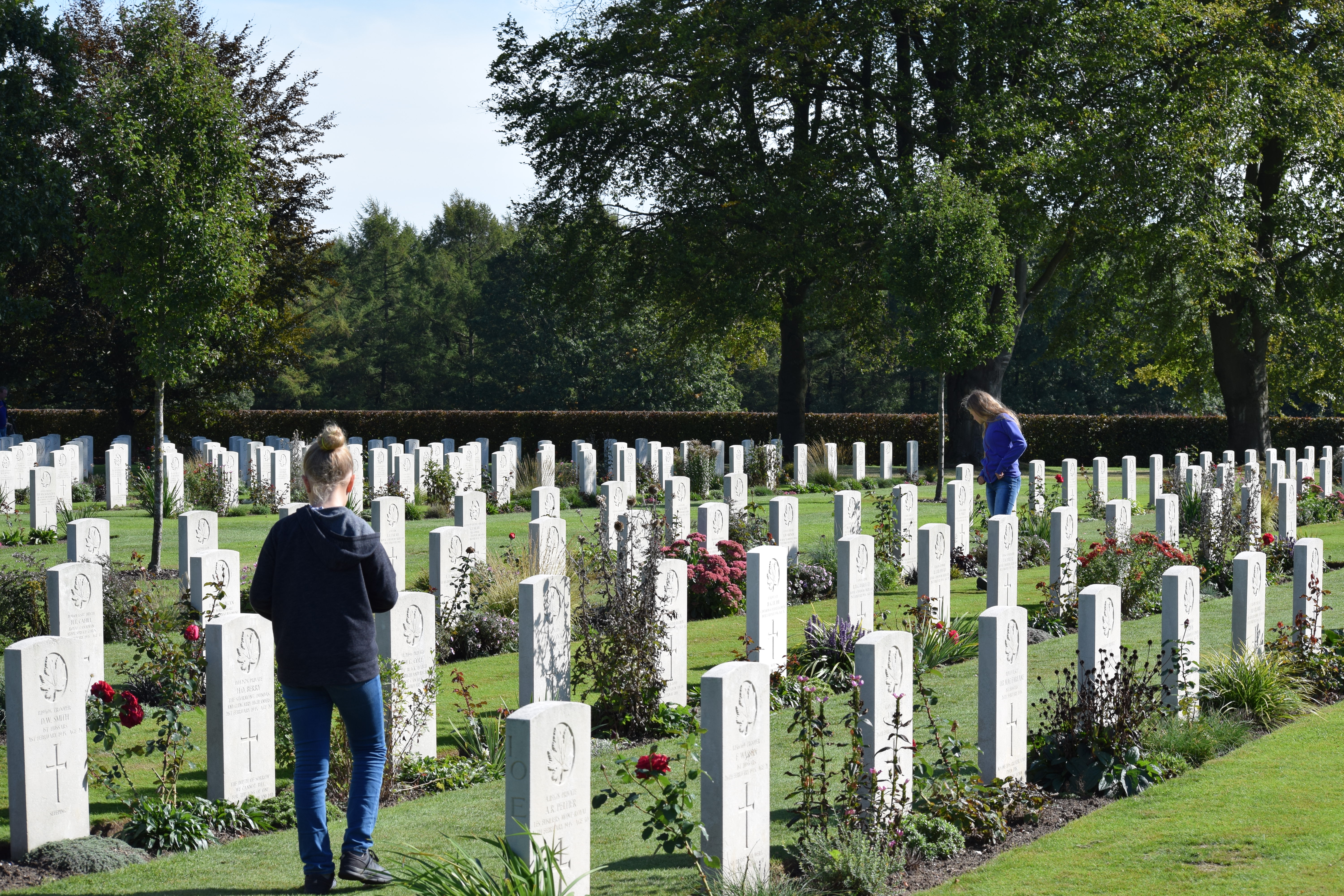
We visited the Groesbeek Canadian War Cemetery where 2,338 Canadian soldiers are buried. There were a few men from Mark’s dad’s regiment buried there. Also, in the Oosterbeek Commonwealth War Cemetery nearby that we visited, there were fresh flowers laid at every grave. The day before, there was a commemoration ceremony marking the famous Operation Market Garden offensive that happened in Arnhem during WW2. Local school children do a “Faces to Graves” project where they research a solider buried in the cemetery and then bring flowers to them on this day. Our history lessons continue.
Our time in the land of windmills, flowers, bicycles and canals had come to an end. The Netherlands, but more specifically, the Dutch people, made this leg of our journey one that was hard to leave.


 Our Long and Winding Road
Leave a comment